












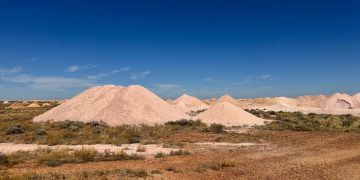

On the red dirt of the Pilbara, the most valuable new tool on a mine site is not a bigger truck. It is the software deciding where that truck goes, how hard it digs, and when its tyres need changing, and in 2026 that software is quietly rewriting the economics of Australia’s most important export industry.
Analysts tracking the sector expect Australian mines to reach roughly 60 per cent adoption of AI solutions this year, the point at which the technology stops being a pilot-project curiosity and becomes standard infrastructure. That figure framed much of the conversation at the Future of Mining Australia conference in Perth, where thousands of operators, vendors and executives gathered to work through automation, critical minerals and the workforce that has to run it all.
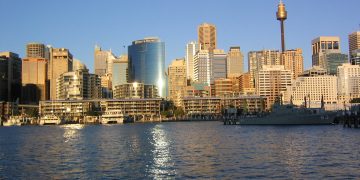
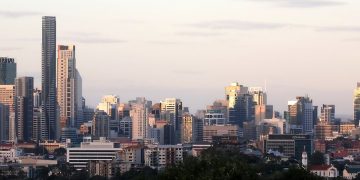
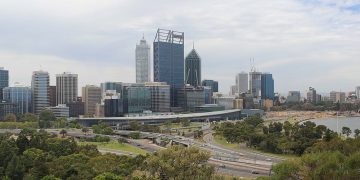
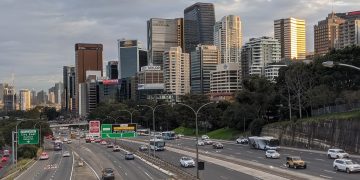
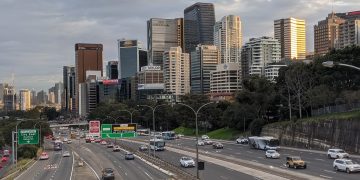
Perth is the natural stage for this. Western Australia’s economy is built on resources, and the state has become the country’s centre of gravity for the remote-operations centres, autonomous fleets and data analytics that modern mining now depends on. Decisions made in air-conditioned control rooms in the city increasingly move machinery hundreds of kilometres away.
From autonomous trucks to “orebody intelligence”
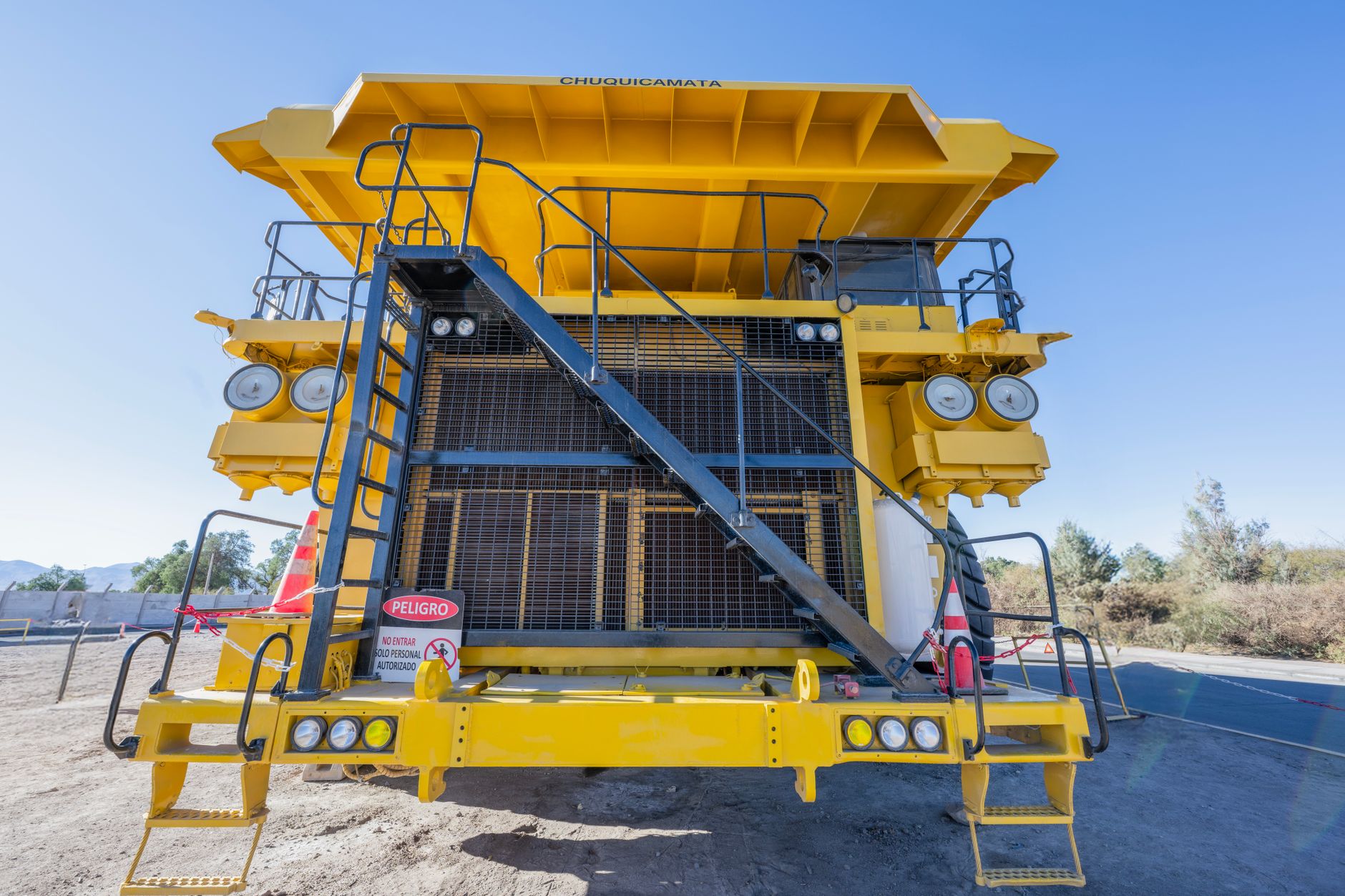
The first wave of mining automation was mechanical and visible: driverless haul trucks and automated drills. Fortescue now runs autonomous haulage using Cat MineStar Command across three of its Western Australian operations, and BHP and Rio Tinto have taken delivery of Australia’s first Caterpillar 793 battery-electric haul trucks at BHP’s Jimblebar mine in the Pilbara for on-site testing, as reported by Mining Engineering.
The second wave is less visible and arguably more consequential. It is what the industry calls orebody intelligence, machine-learning models that chew through geological and sensor data to optimise where and how ore is extracted. BHP has said an AI-based solution helped unlock almost one million tonnes of additional annual iron ore output in Western Australia, according to SteelOrbis. A million tonnes conjured not from a new pit but from smarter decisions on existing ground is the clearest signal yet of where the value now sits.
That is the pattern across the majors: predictive maintenance that flags a failing component before it stops a truck, digital twins that simulate a processing plant before a single valve is turned, and AI-optimised scheduling that squeezes more throughput from the same equipment. Consulting firm PwC, in its Mine 2026 report, frames the year as a shift “from ambition to action”, the moment miners stop talking about AI and start being judged on disciplined deployment at scale.
What it means for the people
The uncomfortable question in every mining town is whether the software comes for the jobs. The evidence so far points to transformation rather than wholesale elimination, but transformation is not painless.
Roles like haul-truck operator and maintenance crew are shifting into higher-paid, tech-enhanced positions built around remote oversight and data, as Mining Technology has documented in its reporting on automation and fly-in fly-out work. Entirely new categories are appearing, autonomous fleet coordinators, digital twin specialists, mining-systems analysts, that fuse traditional mining knowledge with data science. The Mining and Automotive Skills Alliance has reported demand for AI-skilled workers climbing sharply, with related roles growing 135 per cent between 2019 and late 2025.
The catch is the gap between those two worlds. A worker who has spent fifteen years operating a loader is not automatically a remote-operations analyst, and the retraining pipeline to get them there is still thin. That is where the risk concentrates: not in a sudden collapse of mining employment, but in a slow bifurcation between those who move up into the digital roles and those who are left behind by them.
Why it matters
Mining is not just another sector experimenting with AI. It is the backbone of the Australian economy, and one of the few places where AI is already delivering hard, measurable results rather than slideware. When BHP finds a million tonnes through an algorithm, that flows into export receipts, royalties and the federal budget.
There is a strategic layer, too. Smarter, cheaper extraction bears directly on the critical minerals, lithium, rare earths, copper, that the world needs for its own energy transition, and where Australia holds genuine leverage. Efficiency in the Pilbara is, increasingly, a question of national economic security.
But the prize is not automatic. It depends on whether the benefits are shared with the regional communities that have carried the industry, and whether governments and companies fund the retraining that turns automation from a threat into an upgrade. The technology is proven. The social settlement around it is not.
That tension, extraordinary productivity on one side, workforce disruption on the other, is exactly the story FluentSea will keep following, because it is the clearest preview of how AI reshapes an entire Australian industry rather than a single office.
Sources: Future of Mining Australia; SteelOrbis; Mining Engineering; Mining Technology; PwC Mine 2026