













































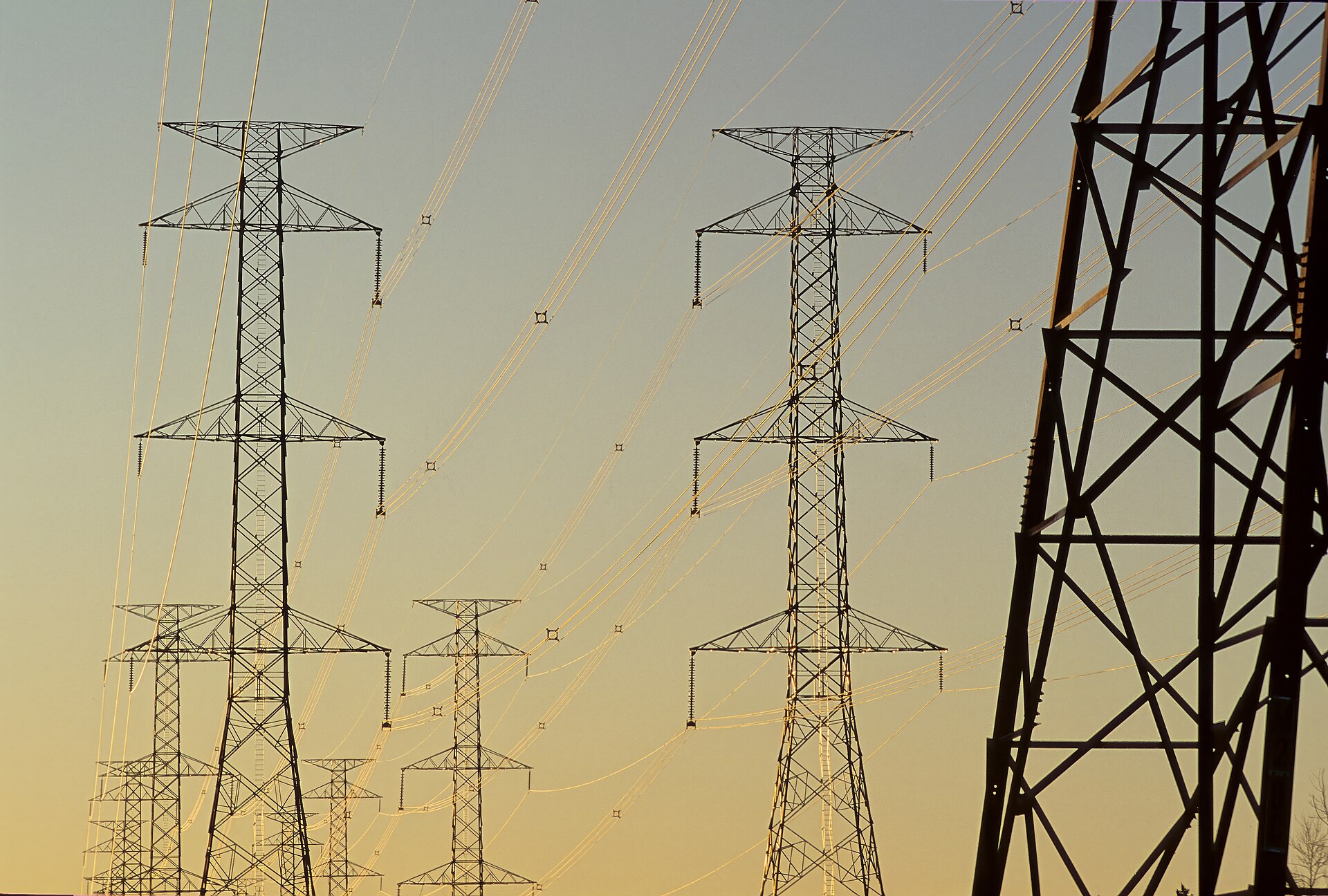
The artificial intelligence boom has a hungry secret, and it is not data or talent. It is electricity. The latest sign of how far governments will go to secure it comes from the South Caucasus, where Armenia is reported to be preparing to connect its power network with neighbouring Azerbaijan and Turkey, in part to underpin the energy demands of AI.
According to Yahoo News Australia, Yerevan wants to stitch its grid into those of two countries with which its relationship has long been fraught, a diplomatic turn that would have seemed unthinkable only a few years ago. The common thread pulling these old adversaries toward cooperation is the same one reshaping energy policy from Texas to Tasmania: the data centres that train and run modern AI consume staggering amounts of power, and no single small grid can comfortably carry that load on its own.
Why AI has become an energy story
For most of the past decade, the conversation about AI competitiveness revolved around semiconductors, cloud capacity and access to the best engineers. That has shifted. The compute clusters behind large language models draw power at a scale that strains national grids, and the facilities that house them increasingly site themselves wherever cheap, reliable and abundant electricity can be found. Analysts at the International Energy Agency have warned that global electricity demand from data centres could more than double by the end of the decade, with AI the single biggest driver of that growth.
Seen through that lens, Armenia’s reported plan is less a quirky piece of regional diplomacy and more a template. A country with limited domestic generation and ambitions to host digital infrastructure has two options. It can build enormous new capacity alone, which is slow and expensive, or it can interconnect with larger neighbours to share supply, smooth out peaks and attract the kind of investment that follows reliable power. Armenia appears to be choosing the second path, and in doing so it is willing to set aside decades of hostility with Azerbaijan over the Nagorno-Karabakh conflict.
The geopolitics here are not incidental. A grid is a dependency. Tying your electricity supply to a neighbour you have fought wars with carries obvious risk, and critics of the plan are likely to argue that energy interdependence can become a pressure point rather than a peace dividend. Supporters counter that shared infrastructure raises the cost of conflict for everyone involved, the same logic that underpinned post-war European energy cooperation. Both readings can be true at once, and which one dominates will depend on how the arrangement is governed and how evenly the benefits are shared.
Two ways to read the move
One view treats this as a pragmatic modernisation story. Turkey is a large and growing power market with real renewable ambitions, Azerbaijan sits on substantial gas reserves, and Armenia needs scale. Pooling grids lets a small economy punch above its weight and gives it a credible pitch to data centre operators looking for a foothold between Europe and Asia. In this telling, AI is simply the latest and most lucrative reason to do what good energy planning would recommend anyway.
The more sceptical view is that framing a politically sensitive interconnection as an “AI energy” project risks overselling it. Building transmission capacity and attracting hyperscale data centres are multi-year undertakings with no guarantee of success, and announcements of intent are cheaper than delivered megawatts. There is also the question of whose AI gets powered. If the electricity ends up feeding foreign-owned facilities with little local benefit beyond a land lease, the promised economic upside may prove thin.
What it means for Australia
Australia is on the other side of the world from the Caucasus, but the underlying dynamic lands squarely in the middle of our own debate. We are a country with abundant land, strong solar and wind resources and a stated ambition to become a renewable energy superpower, yet our grid is already under pressure from the coal retirements, electrification and now the data centre buildout reshaping demand. The same forces nudging Armenia toward its neighbours are testing whether Australia’s National Electricity Market can keep pace.
FluentSea has reported repeatedly on the local version of this pressure, from the AI infrastructure boom defying the global tech selloff to a 555-megawatt deal anchoring a pipeline worth tens of billions of dollars. Those projects only make sense if the power is there, and that is the rub. Australia cannot interconnect its way out of a shortfall the way a landlocked European economy can, because we are an island with no neighbours to plug into. Our interconnection story is internal, between states that have historically guarded their own generation, and the politics of building transmission across the Murray or up the east coast can be just as prickly as any border dispute.
The Armenian example sharpens a choice Australian policymakers are already wrestling with. If AI compute follows cheap and reliable electricity, the nations and regions that solve the energy problem will capture the industry, the jobs and the sovereignty that come with hosting critical digital infrastructure at home. For Australia, that means the renewable transition and the AI ambition are not separate agendas competing for attention. They are the same project, and treating grid investment as a second-order concern risks ceding the data centre economy to places willing to move faster, even places that must first make peace with old enemies to do it.
What’s next
Watch for the detail behind the headline. Interconnection plans live or die on financing, transmission routes and the political will to hold them together through election cycles and regional tensions. If Armenia, Azerbaijan and Turkey can convert intent into built capacity, it will be a proof point that AI demand is now reshaping energy diplomacy itself. For Australian readers, the lesson is closer to home: the race to host AI will be won on the grid, and the time to build is now.
Sources: Yahoo News Australia.



