















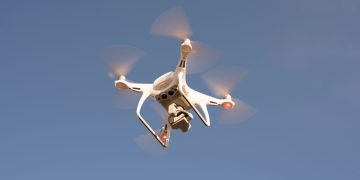

























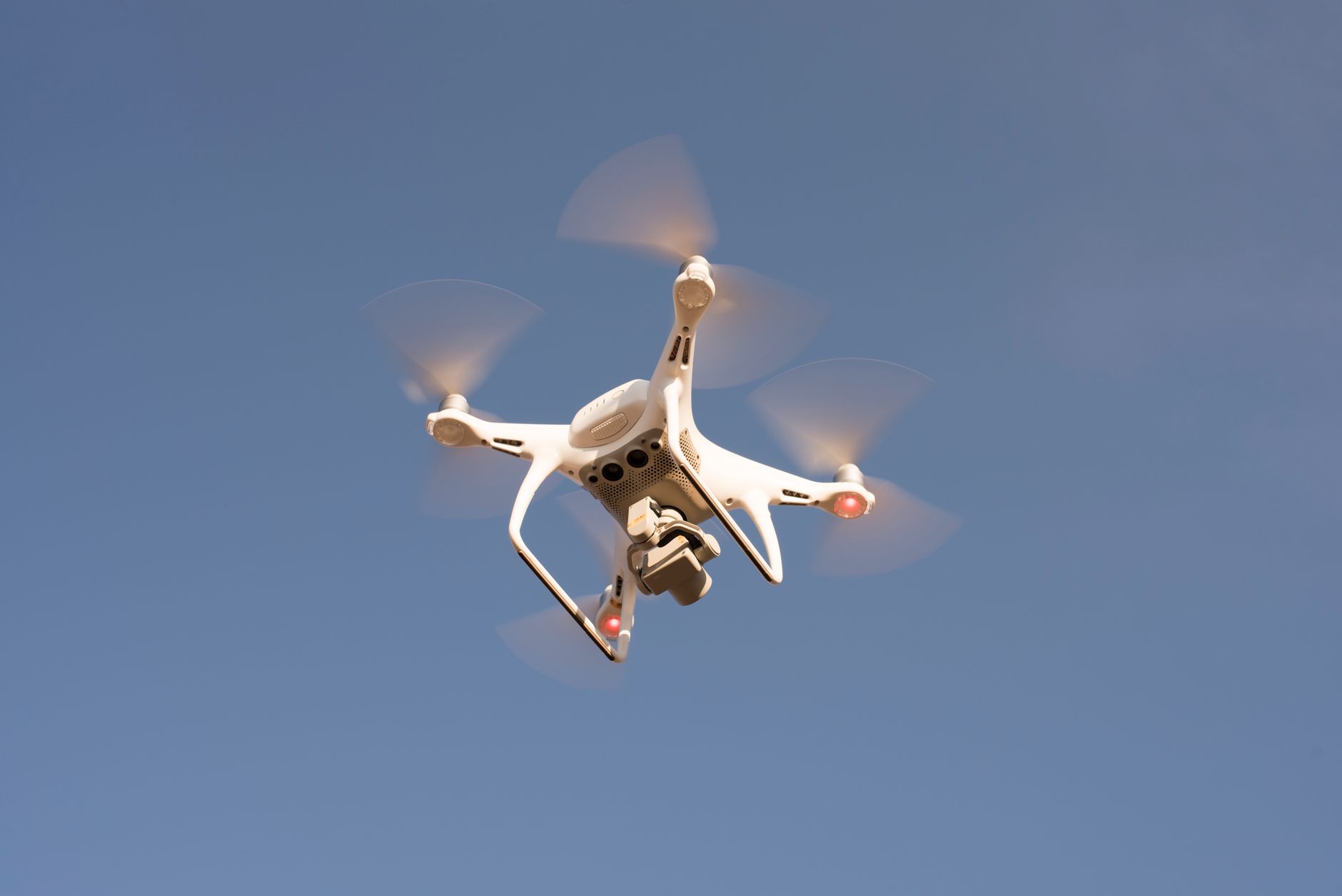
The Australian Border Force has registered a new batch of artificial intelligence enabled drones built by the American manufacturer Skydio, a development that underlines just how quickly autonomous aerial technology is being folded into the machinery of Australian border control and law enforcement.
The registration, first reported by Defence Connect, marks another step in a steady modernisation of the ABF’s surveillance toolkit. Where the agency once leaned almost entirely on crewed aircraft, patrol vessels and fixed sensors to watch Australia’s vast coastline, it is increasingly reaching for small, software-heavy aircraft that can fly themselves, map an environment in real time and track subjects without a pilot nudging the sticks.
Why Skydio matters
Skydio is not a household name in Australia, but within defence and policing circles it carries considerable weight. The California company has built its reputation on autonomy rather than raw hardware, pairing conventional quadcopter airframes with onboard AI that handles obstacle avoidance, subject tracking and navigation in places where GPS signals drop out. Its X10 and X2 platforms have been pitched heavily at government and enterprise customers who want a drone that a non-specialist can operate safely, and the firm has leaned into the “trusted” label after Chinese manufacturer DJI came under scrutiny in the United States over data and security concerns.
That geopolitical backdrop is part of the story. As Western governments grow wary of Chinese-made drones on sensitive missions, companies such as Skydio have positioned themselves as the allied alternative, and procurement decisions by agencies like the ABF are read as a vote of confidence in that proposition. For a border agency, the appeal is straightforward. An AI drone that can be launched by a single officer, hold a target in frame through cluttered terrain and return home on its own extends the reach of a patrol without adding aircrew or cost.
The practical uses are easy to imagine. Coastal and maritime monitoring, inspection of suspect vessels, rapid assessment of landing sites in remote northern Australia, and support for operations where sending officers in blind would be risky. Autonomous tracking also changes the tempo of an interception, giving commanders a persistent eye in the sky while people on the ground move into position.
The case for caution
Not everyone greets the quiet arrival of autonomous surveillance with enthusiasm. Civil liberties advocates have long warned that drones capable of identifying and following people, especially when paired with AI analytics, erode the practical obscurity that citizens once enjoyed in public space. The concern is less about any single flight than about the cumulative effect of cheap, tireless aerial watchers becoming a routine feature of enforcement.
There are also governance questions that sit awkwardly with the speed of adoption. Australia still lacks a comprehensive legal framework for government use of AI-driven surveillance, and oversight of how footage is captured, stored, analysed and shared remains patchy. When a drone’s software is doing the tracking and flagging, the line between a tool that assists an officer and a system that makes consequential decisions can blur, and accountability becomes harder to pin down. These are not hypothetical worries. They echo the debates playing out over facial recognition, automated number plate readers and the broader creep of algorithmic policing.
Supporters counter that the technology is simply doing more safely and cheaply what crewed assets already do, and that the ABF operates under existing legal authorities for surveillance. The sharper question is whether those authorities, written for an earlier era, are fit for a world in which an autonomous aircraft can loiter, recognise and record with minimal human input.
What it means for Australia
Australia has a particular stake in getting this balance right. The country polices one of the longest coastlines in the world with a relatively small force, which makes force-multiplying technology genuinely attractive rather than a luxury. Autonomous drones that stretch coverage across the Torres Strait, the Kimberley and the approaches to the north could meaningfully improve the ABF’s ability to detect illegal fishing, people smuggling and biosecurity threats.
At the same time, the decision feeds directly into the national conversation about sovereign capability and supply chain trust. Canberra has spent the past two years pushing to reduce dependence on high-risk foreign technology across critical systems, and drone procurement is squarely inside that debate. Choosing an American supplier over a Chinese one may tick the allied box, but it does not resolve the deeper question of how much of Australia’s surveillance backbone should be built offshore at all. Local drone makers and AI firms will watch this registration closely, aware that every government contract awarded abroad is one that did not land with a domestic challenger.
The move also lands amid a broader surge of government interest in artificial intelligence across Australian agencies, from health scribes in hospitals to AI report tools in state departments, several of which have already run into trouble over transparency and accuracy. Border enforcement is a far higher stakes setting than an internal memo, which raises the bar for how carefully the ABF documents what its new drones do and how their outputs are used.
What is next
Much will depend on detail that has not yet been made public. The number of airframes, the specific Skydio models, the missions they will fly and the rules governing their data have not been spelled out, and the ABF has historically been reluctant to discuss operational capability. Expect pressure from privacy advocates and parliamentary committees for a clearer account of how the drones fit within Australia’s surveillance law, and expect the defence and security industry to treat the registration as a signal about where federal procurement is heading.
For now, the significance is less in the hardware than in the direction it confirms. Autonomous, AI-driven aerial surveillance is moving from trial to standard equipment in Australian enforcement, and the policy conversation about how to govern it is running some distance behind the technology itself.
Sources: Defence Connect.