














































Laser-firing weeders that can identify a seedling from a weed and burn the weed away with a burst of infrared light took centre stage in Adelaide, where researchers unveiled a five-year, independent trial designed to answer a blunt question for Australian vegetable growers: do these robots actually pay?
The project, led by Applied Horticultural Research (AHR), is assessing AI-enabled weeding, planting and spraying machines on working farms rather than in vendor demonstrations. Early first-year findings were presented by AHR chief executive Dr Gordon Rogers at Hort Connections, the horticulture sector’s largest annual gathering, held in Adelaide from 4 June. The machines on the bench include the Carbon Robotics LaserWeeder Gen 2, the Ecorobotix precision sprayer and the FarmDroid autonomous weeder, as reported by Farm Weekly.
What sets the work apart is its focus on economics. Rather than measuring only how many weeds a machine kills, the trial is tracking soil, labour and cost outcomes across whole production systems, so growers can weigh return on investment before committing to machinery that can cost hundreds of thousands of dollars.
An independent trial, built for growers not vendors
The five-year program runs to 2030 and is co-funded through Hort Innovation’s Hort Frontiers strategic partnership, alongside grower-led groups FarmTech in Queensland and Tripod Farmers in Victoria. According to Applied Horticultural Research, the aim is to fast-track adoption of AI robotics and autonomous vehicles for weed control by giving growers advice on support services, production-system adjustments and clear economic analysis to reduce the risk of a bad purchase.
That framing matters. Agtech marketing routinely promises transformation, but independent, on-farm data on Australian conditions has been thin. The AHR project pairs the technology trials with business consultants and researchers, including La Trobe University, to produce numbers growers can trust.
Dr Rogers has been careful not to oversell the machines. “Growers need to learn how to use it effectively, and they also need information on effectiveness and return on investment,” he told Farm Weekly, a note of caution that runs through the whole exercise.
On-farm testing is under way at an organic vegetable operation at Kalbar, in Queensland’s Scenic Rim, where the Carbon Robotics LaserWeeder Gen 2 is being evaluated. FarmTech engineer Luke Nelson, who is involved in the trials, sees particular promise for chemical-free systems. “The LaserWeeder is a huge opportunity for organic and high-value cropping,” he said in an AHR technical review of the machine.
How the machines work
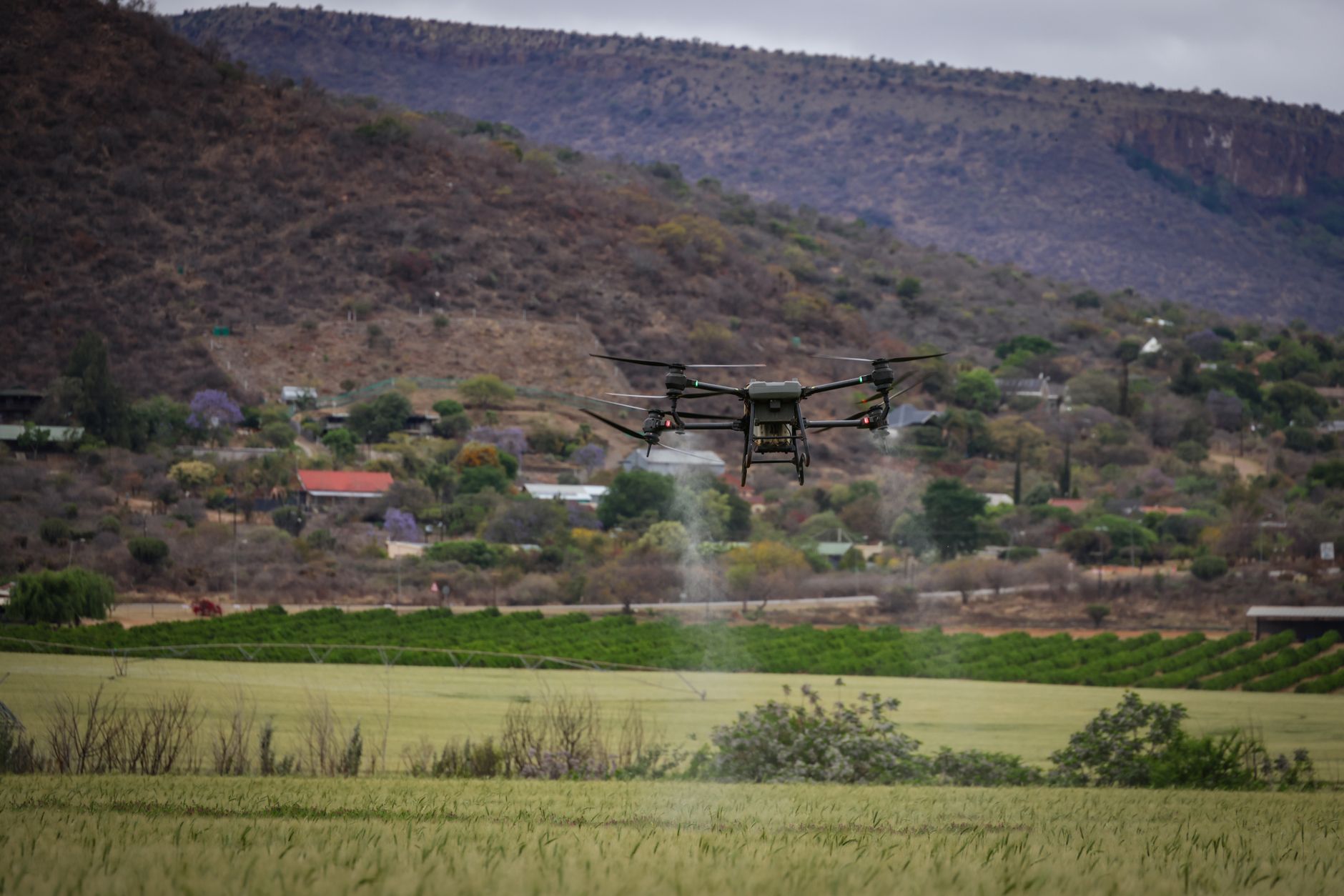
The three systems attack the weed problem in different ways. The Carbon Robotics LaserWeeder Gen 2 uses high-resolution cameras and onboard NVIDIA processors to scan the soil in real time, classify each plant as crop or weed, then fire a laser at the weed’s growing point. Its Gen 2 design swaps older CO2 laser tubes for infrared diode lasers that, per AHR, last up to five times longer and need far less maintenance. It covers roughly 0.2 hectares per hour and works best on small weeds at the strike-to-first-leaf stage.
The Ecorobotix precision sprayer takes a targeted-chemistry approach, using computer vision to spray individual plants rather than blanket a paddock, cutting herbicide volumes sharply. The FarmDroid is a solar-powered autonomous unit that both seeds and mechanically weeds, using knowledge of exactly where it planted each seed to hoe between and within rows without touching the crop.
The common thread is precision. Each machine replaces broad chemical or manual passes with plant-by-plant decisions made by AI vision systems, the same computer-vision advances now reshaping warehouses and roads, applied to a seedbed.
Why it matters for Australia
Weeds are not a marginal cost. In crops such as potatoes, onions, garlic and leafy greens, uncontrolled weeds can cut yields by up to 50 per cent, and AHR estimates robotics and AI could reduce weeding labour costs by up to 90 per cent while shrinking the weed seed bank over time.
Those savings land on an industry under real strain. Australian vegetable growers face a persistent workforce crisis, AUSVEG has warned that worsening labour shortages, rising costs and compliance pressures have pushed grower morale to record lows, with many questioning whether they can keep farming. Hand-weeding, one of the most labour-intensive jobs on a vegetable farm, is exactly the kind of task growers can no longer reliably staff.
At the same time, the chemical toolkit is shrinking. Herbicide resistance is spreading and older active ingredients are being deregistered, leaving fewer options to control weeds the traditional way. For organic growers, who cannot use synthetic herbicides at all, machines like the LaserWeeder and FarmDroid are not just an efficiency play, they are one of the only paths to scale.
The economics remain the sticking point. A laser weeder covering 0.2 hectares an hour suits high-value, small-area crops far better than broadacre production, and the upfront cost is steep. That is precisely why an independent trial measuring cost per hectare, not just weeds killed, is worth more to a grower than any brochure.
What comes next
With four years still to run, the AHR project will build a body of Australian-specific data on where these machines earn their keep and where they do not, across crop types, farm scales and organic versus conventional systems. Expect the sharpest results in high-value horticulture first, with broader questions about fleet economics and machine reliability to follow as the trial matures toward 2030.
For a sector squeezed between empty rosters and an emptying chemical shelf, the value of this work is not the promise of robots. It is the honest accounting of whether they pay.
Sources: Farm Weekly, Applied Horticultural Research, AI-enabled weed management, Applied Horticultural Research, Inside the Gen 2 LaserWeeder, Food Processing / AUSVEG