



















































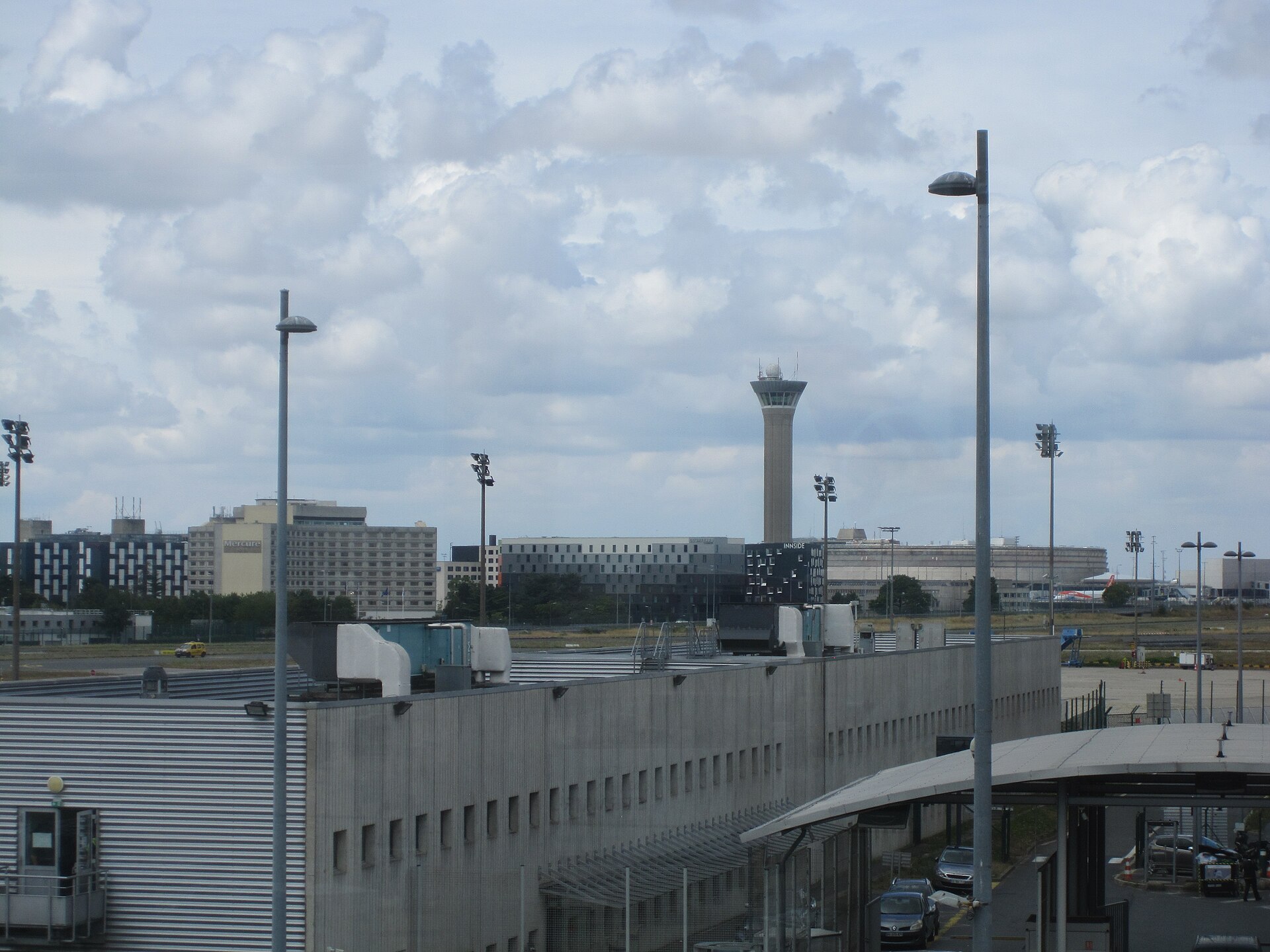
America’s aviation regulator has decided to let artificial intelligence help steer one of the most safety-critical systems on the planet. The Federal Aviation Administration is expanding a tool that uses AI to recommend how traffic should be managed when the skies get crowded, and it is now being applied across the entire national airspace rather than a handful of busy corridors. For a country that moves millions of passengers a day through a web of overlapping flight paths, it is a significant step, and one that is already splitting opinion between the airlines that stand to gain and the controllers who will have to work alongside it.
The basic problem the FAA is trying to solve is congestion. When bad weather closes a runway, or a storm cell forces aircraft to divert, delays ripple outwards across the network in ways that are fiendishly hard to predict and even harder to unwind. Traditionally, human traffic managers make judgement calls about metering flights, holding departures and rerouting aircraft, often under intense time pressure. The AI system is designed to sit alongside those people and offer advice on how to smooth the flow, suggesting adjustments before bottlenecks harden into hours-long backups. According to Ars Technica, the agency has been encouraged enough by early results to widen the tool’s remit nationally.
Airlines cheer, controllers bristle
The reaction from the airline industry has been warm, and it is not hard to see why. Delays cost carriers enormous sums in crew overtime, missed connections, fuel burn and compensation, and anything that trims even a few percentage points off congestion feeds straight to the bottom line. Airlines have framed the technology as a sensible modernisation of a system that has been straining for years under rising traffic volumes and a chronic shortage of qualified controllers. For them, a tool that can see across the whole network at once, spotting patterns no single human desk could track, is exactly the kind of help the system needs.
The air traffic controllers’ union sees it differently, and its central complaint is less about the technology than the process. By its account, it was not meaningfully involved in the rollout, which is a pointed grievance in a profession where trust in tools is earned slowly and where the people on the microphones carry ultimate responsibility for keeping aircraft apart. Controllers have long been wary of automation that is handed to them rather than built with them, partly because an advisory system that is wrong, or that is simply hard to interpret in a fast-moving situation, can add cognitive load instead of removing it. There is also the deeper worry that today’s advisory tool becomes tomorrow’s expected default, nudging human judgement to the margins without anyone ever formally deciding that it should.
That tension, between efficiency gains that are easy to measure and safety culture that is hard to quantify, runs through almost every attempt to put AI into high-stakes operational settings. The FAA’s challenge is that both sides have a point. Congestion is a real and growing problem, and ignoring a tool that could help would be its own kind of negligence. Equally, imposing that tool on the workforce that has to live with it, without bringing them along, risks the very resistance that could blunt its benefits.
What it means for Australia
Australians might assume this is a distant American story, but the parallels are closer than they look. Airservices Australia runs air traffic management across one of the largest flight information regions in the world, covering roughly eleven per cent of the Earth’s surface, and it has spent recent years grappling with its own staffing pressures and delay complaints, particularly at Sydney and Melbourne. Any proven method for squeezing more capacity out of existing airspace will draw close attention here, because the alternative, pouring money into new infrastructure and recruiting controllers who take years to train, is slow and expensive.
Australia also watches the FAA closely for regulatory cues. The Civil Aviation Safety Authority and Airservices tend to move in step with international best practice, and a successful American deployment of AI-assisted flow management would strengthen the case for trialling something similar over the Pacific and the eastern seaboard. Just as importantly, the American stoush over consultation is a warning worth heeding. Australia’s own debate about AI in the workplace, which has filled plenty of recent headlines about frontline workers being handed tools without guidance, maps almost perfectly onto what the controllers’ union is describing. If the lesson from the United States is that bypassing the workforce invites a backlash, that is a lesson local agencies and employers can bank now rather than relearn the hard way.
There is a sovereignty angle too. Air traffic management systems are increasingly built on complex software supplied by a small number of global vendors, and as AI becomes embedded in that stack, questions arise about who controls the models, where the data lives and how decisions are audited. For a country that has been debating sovereign AI capability across banking, defence and government services, critical aviation infrastructure is an obvious place where those questions matter most. An advisory system that cannot clearly explain why it is recommending a particular reroute is a harder sell to a regulator, and to a public, that expects aviation decisions to be traceable.
What happens next
The immediate test for the FAA is whether the national expansion delivers measurable improvements without eroding the confidence of the people using it. That will depend heavily on how transparent the system is, how much override authority controllers retain, and whether the union is eventually brought into the loop in a way that feels genuine rather than cosmetic. If delays fall and safety metrics hold steady, the political argument largely settles itself. If the tool produces confusing or contested advice during a major disruption, the controllers’ objections will suddenly look prescient.
For Australia, the sensible posture is to watch, learn and prepare. The congestion problems that motivated the American rollout are not going away locally, and the appetite for AI efficiency across government is only growing. The smarter path is to treat the FAA experience as a live case study, borrowing what works, including the genuine capacity gains, while avoiding the misstep of leaving the workforce out of a decision that will shape how they do one of the most demanding jobs there is.
Sources: Ars Technica.



Comments 1