



















































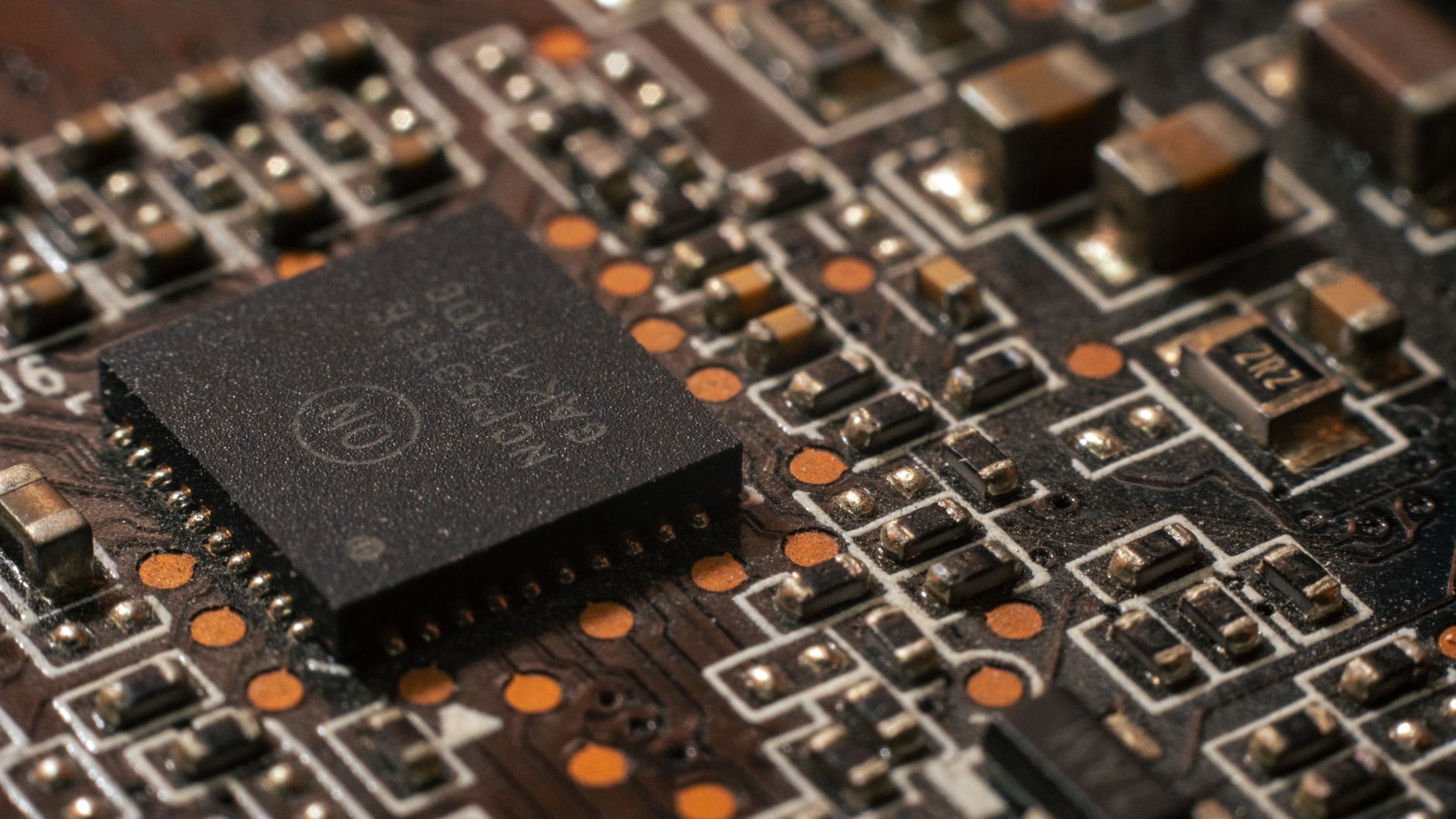
One of Australia’s most closely watched artificial intelligence stocks is facing pressure from within its own share register, with two longstanding investors now canvassing support for a shake-up of the board. BrainChip Holdings, the ASX-listed designer of brain-inspired processors, has long been a favourite of retail traders who believe its technology could reshape how machines handle AI at the edge. Those same believers have also endured years of heavy losses and a share price that has drifted a long way from its pandemic-era highs, and some of them have now decided that patience alone will not fix the problem.
According to The Australian Financial Review, two longstanding holders are gathering votes as part of a campaign they argue is aimed at lifting the company’s long-term value. The move puts the spotlight back on a business that has promised a great deal and, in the eyes of frustrated investors, delivered too little in the way of commercial traction. For a stock that trades heavily among mum-and-dad shareholders, a boardroom contest is not a sideshow. It goes to the heart of whether BrainChip can convert its intellectual property into durable revenue.
What BrainChip actually does
BrainChip’s pitch rests on neuromorphic computing, an approach that tries to mimic the way the human brain processes information rather than relying on the brute-force number crunching of conventional chips. Its Akida technology is designed to run AI workloads directly on a device, using far less power than a cloud server would consume for the same task. The appeal is obvious in a world of battery-powered sensors, wearables, cars and industrial gear, where sending data back to a data centre is slow, expensive and sometimes impossible. If edge AI becomes as pervasive as its advocates expect, a company that can deliver inference at a fraction of the energy cost stands to benefit handsomely.
The difficulty for BrainChip has always been the gap between a compelling story and a sustainable business. The company earns much of its money by licensing its designs to other chipmakers and device makers rather than manufacturing silicon at scale itself, which makes revenue lumpy and heavily dependent on landing a small number of marquee customers. Years of research spending, capital raisings and incremental partnership announcements have tested the resolve of even its most loyal backers. That backdrop is exactly what gives a shareholder campaign its oxygen.
Two camps, one register
Shareholder revolts tend to crystallise two competing views of the same facts, and BrainChip is no exception. The investors driving the campaign appear to believe the business has the technology but not the governance to commercialise it, and that fresh faces around the board table could sharpen strategy, tighten spending and hold management to firmer milestones. In their telling, a company sitting on genuinely novel intellectual property should not still be searching for a clear path to profitability after so many years as a listed entity.
The counter-argument, which boards in this position usually make, is that neuromorphic computing is a long game and that disrupting the leadership now risks derailing commercial discussions that take years to mature. Deep-tech firms often point out that semiconductor design cycles are measured in multiples of years, that customers test exhaustively before committing, and that a change of direction at the top can spook the very partners a company is trying to win. Whether shareholders accept that framing or read it as an excuse for underperformance is precisely what the vote-gathering exercise will test.
The outcome will hinge on BrainChip’s unusually fragmented register. Unlike many ASX technology names dominated by a handful of institutions, BrainChip is held by a large base of individual investors, which makes any contest a genuine numbers game. Campaigners need to convince thousands of small holders to actually cast their votes, a notoriously difficult task, while the incumbent board will be working just as hard to shore up support. In a company like this, apathy can be as decisive as conviction.
Why it matters for Australia
BrainChip occupies an unusual place in the national technology story. Australia has produced very few homegrown semiconductor or AI-hardware companies of any scale, and fewer still that are listed locally and recognised offshore. For a country that talks often about sovereign capability and about moving up the value chain beyond resources and software services, a locally listed chip designer with internationally cited technology is a rare asset. How its shareholders resolve this dispute will say something about whether Australian public markets can nurture hard-technology companies through the long, cash-hungry years before they pay off.
There is also a broader lesson for the wave of AI enthusiasm that has swept the ASX over the past couple of years. Investors have poured money into anything with an AI label, and the market has lately grown more sceptical about lofty valuations that are not matched by earnings. BrainChip’s situation is a reminder that owning genuinely interesting technology is not the same as building a business that compounds value for shareholders. The governance questions being raised here, about accountability, spending discipline and realistic milestones, are the same ones that will eventually be asked of many AI hopefuls once the novelty fades.
What happens next
Campaigns of this kind usually play out over weeks or months rather than days. The investors behind it will need to formalise their intentions, potentially by requisitioning a meeting or nominating directors, and to make their case publicly to the wider register. BrainChip’s board, for its part, will be expected to respond with its own defence of the current strategy and leadership. Between now and any formal vote, expect a steady stream of statements from both sides, each trying to frame the company’s track record in the most favourable light.
For ordinary shareholders, the practical question is simpler. They will be asked to decide whether BrainChip’s problem is its technology, its execution or its governance, and to vote accordingly. The company has always asked investors to take a view on the distant future. This time, the future they are being asked to weigh is a lot closer to home, and it concerns who should be steering the business when the next big commercial decision arrives.
Sources: The Australian Financial Review.


