



















































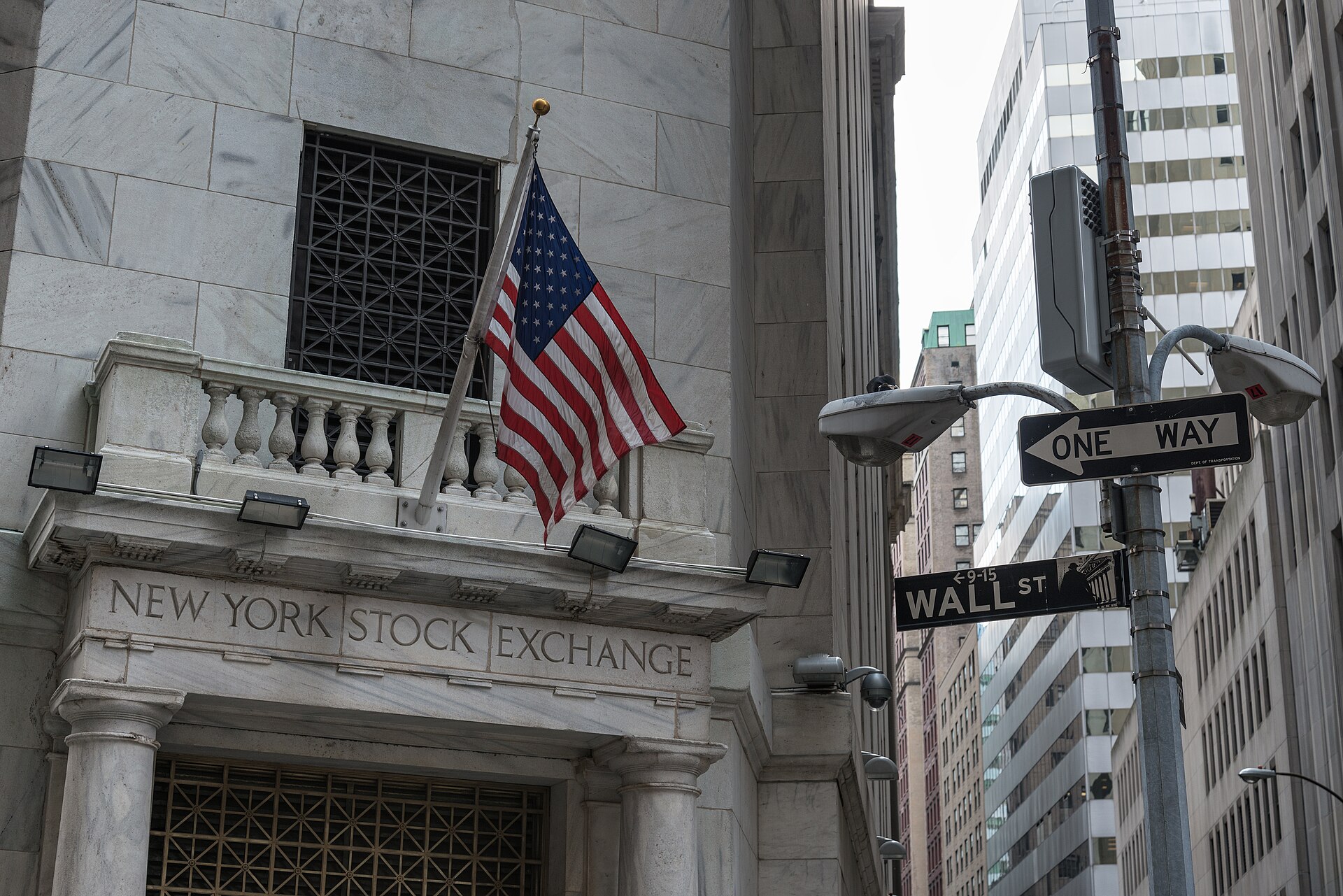
For the better part of two years, the promise of artificial intelligence has been pitched as a tide that lifts everyone: faster work, cheaper services, new jobs to replace the ones that fade away. The reality taking shape in 2026 looks more lopsided. The technology is already thinning out corporate headcount in pockets of the economy, but the financial reward is pooling in one place, and it is not the payslip. It is the share price.
That is the uncomfortable argument running through a new analysis in The Australian, which frames the current moment bluntly: AI has started to take the jobs, and Wall Street has banked the win. It is a framing worth sitting with, because it cuts against the reassuring story that companies and governments have been telling about automation for the past decade.
The news beneath the slogan
The underlying shift is not hard to trace. Through late 2025 and into this year, a run of large employers in technology, media, banking and customer service have paired restructures with explicit references to AI-driven efficiency. Some of those cuts would have happened regardless, dressed up in fashionable language. But a growing share are genuinely tied to software that now drafts code, answers tickets, summarises documents and handles the first layer of analysis that used to justify a graduate hire or an offshore team.
What has moved in lockstep is valuation. The companies building and selling AI, along with the chipmakers underneath them, have carried global equity markets to records. Investors are not paying for the jobs that AI creates. They are paying for the margin expansion that comes when a firm can hold revenue steady, or grow it, while spending less on labour. In plain terms, the market is rewarding the gap between what a business earns and what it pays its people, and AI is widening that gap.
This is the crux of the Wall Street win. A worker who is made redundant does not share in the productivity dividend their replacement technology generates. A shareholder does, immediately, through earnings and the multiple the market is willing to pay for them. The result is a transfer that looks less like the broad-based prosperity promised by AI’s boosters and more like a familiar redistribution from labour to capital, only faster.
Two ways to read it
Optimists argue this is simply the awkward early phase of every major technology. Electrification, the personal computer and the internet all displaced roles before creating new categories of work that nobody could have named in advance. On that reading, the current concentration of gains is temporary. As AI tools spread beyond the firms that make them, productivity should diffuse through the wider economy, lifting wages and spawning jobs in fields that do not yet exist. The counsel is patience, and continued investment.
The sceptical case is that this cycle is structurally different. Previous waves automated muscle and routine. This one targets cognitive and entry-level white-collar work, the very rungs people once climbed to build careers. If the ladder loses its bottom steps, the worry is not mass unemployment so much as a hollowing of the middle and a harder path for young graduates, while the financial upside stays locked inside a handful of mega-cap balance sheets. In that scenario, the market can keep rising even as the labour market frays, because the two have been partly decoupled.
Both readings can be true at once for a while, which is what makes the moment so unsettling. Markets are pricing the optimistic story. Many workers are living the sceptical one.
Why this lands differently in Australia
For Australian readers the story has a double edge, and it is worth drawing out because it rarely gets stated plainly. The nation is one of the most heavily invested populations on earth in exactly the companies banking this win. Through compulsory superannuation, the retirement savings of millions of Australians are tied to global equity indices dominated by the same American technology giants driving the AI rally. When Wall Street banks the gain, Australian super balances benefit too. In that narrow sense, the country is on the winning side of the trade.
The catch is that the same households are workers before they are retirees, and the local labour market is not immune to the forces reshaping corporate America. Australia’s economy leans heavily on services, including banking, insurance, professional services and customer support, which are precisely the areas where AI is proving most capable. A graduate accountant, a junior analyst or a contact-centre worker in Sydney or Melbourne faces the same automation pressure as their counterparts overseas, without the cushion of working for the firms capturing the upside.
So Australians are exposed on both sides of the ledger at once. Their super gains from the productivity dividend that AI delivers to capital, while their jobs and wages sit on the side that is being squeezed. Whether that nets out as a win depends entirely on who you are, how close you are to retirement, and how resilient your occupation turns out to be. For a 25-year-old entering the workforce, a rising super balance is cold comfort against a shrinking pool of entry-level roles.
There is a policy dimension too. Canberra has spent the past year talking up AI as a productivity lever, and business leaders have been vocal about not waiting for government to catch up. But productivity framed purely as output per worker says nothing about who keeps the proceeds. If the gains flow to shareholders and offshore platform owners while domestic wages stall, the political economy of AI becomes a good deal more fraught than the current enthusiasm suggests. Questions about tax treatment of capital, retraining funding and the design of the social safety net move from abstract to urgent.
What happens next
The near-term signal to watch is whether productivity genuinely diffuses or stays concentrated. If AI tools lift output across small and mid-sized Australian businesses, and that shows up in broader hiring and wage growth, the optimistic case gains ground. If the benefits remain bottled up in a few mega-caps and their shareholders while employment in exposed sectors keeps softening, the sceptics will have been right, and the pressure for a policy response will build quickly.
Either way, the comfortable line that AI will lift all boats is looking harder to defend without qualification. The technology is delivering real value. The open question, in Australia as much as on Wall Street, is who gets to keep it.
Sources: The Australian.


