



















































Ask a chatbot where to go on holiday and you will probably be told to visit somewhere everyone else is already headed. That, in essence, is the warning behind new research suggesting that the rise of generative artificial intelligence is making the overtourism problem worse rather than better, by nudging millions of travellers towards the same well-worn list of famous destinations.
The concern was reported in The Australian, which drew on a study warning that popular tools such as ChatGPT tend to recommend a narrow band of marquee locations when asked for travel advice. Rather than acting as a clever concierge that unearths the quiet village or the underrated regional town, the chatbots lean heavily on whatever is most discussed online, which means the places that are already heaving with visitors get recommended again and again.
Why the machines keep picking the same places
The mechanics are not mysterious once you understand how these systems are built. Large language models are trained on enormous volumes of text scraped from the internet, and they generate answers by predicting what is statistically most likely to follow a prompt. When the subject is travel, the most likely answer is shaped by the sheer weight of existing content: the cities with the most blog posts, the most listicles, the most Instagram geotags and the most review-site entries. A destination that is already famous is, almost by definition, over-represented in the training data, so the model surfaces it with confidence.
The result is a feedback loop. The more a place is written about, the more a chatbot recommends it, the more tourists arrive, and the more content they in turn produce, which further entrenches that destination in the next generation of training data. Lesser-known spots, which might genuinely suit a traveller and would certainly benefit from the economic boost, rarely get a look in because they lack the online footprint to compete.
Researchers have framed this as a homogenising force on global travel. Where a human travel agent or a well-thumbed guidebook might once have introduced an element of serendipity, the AI tends to flatten choice towards the mean. Critics of the technology argue this is a textbook case of algorithmic concentration, the same dynamic that sees search engines and social feeds reward what is already popular and quietly bury everything else.
Two ways to read the findings
Not everyone accepts that chatbots are the villain here. Defenders of the technology point out that overtourism predates generative AI by decades, and that the real drivers have long been cheap flights, cruise ships, the social media urge to photograph yourself in front of a recognisable landmark, and the marketing budgets of tourism boards that spend heavily to promote their most bankable attractions. On this view, the chatbot is a mirror rather than a cause, reflecting demand that already exists rather than manufacturing it.
There is also a counter-argument that the same technology could become part of the solution. Because the models can be tuned and prompted, there is nothing inevitable about a chatbot pushing only the obvious answers. A traveller who asks specifically for quiet alternatives, shoulder-season options or regional detours can often coax a far more interesting itinerary out of the same tool. Tourism bodies and developers could, in theory, work to feed these systems richer information about overlooked destinations, turning the technology into a mechanism for spreading visitors out rather than bunching them up.
The sceptics are less sanguine. They note that most people do not prompt with care; they take the first answer they are given. If the default behaviour of the most-used tools is to concentrate crowds, then the default is what will shape the real world, regardless of what the tools are capable of in expert hands.
What it means for Australia
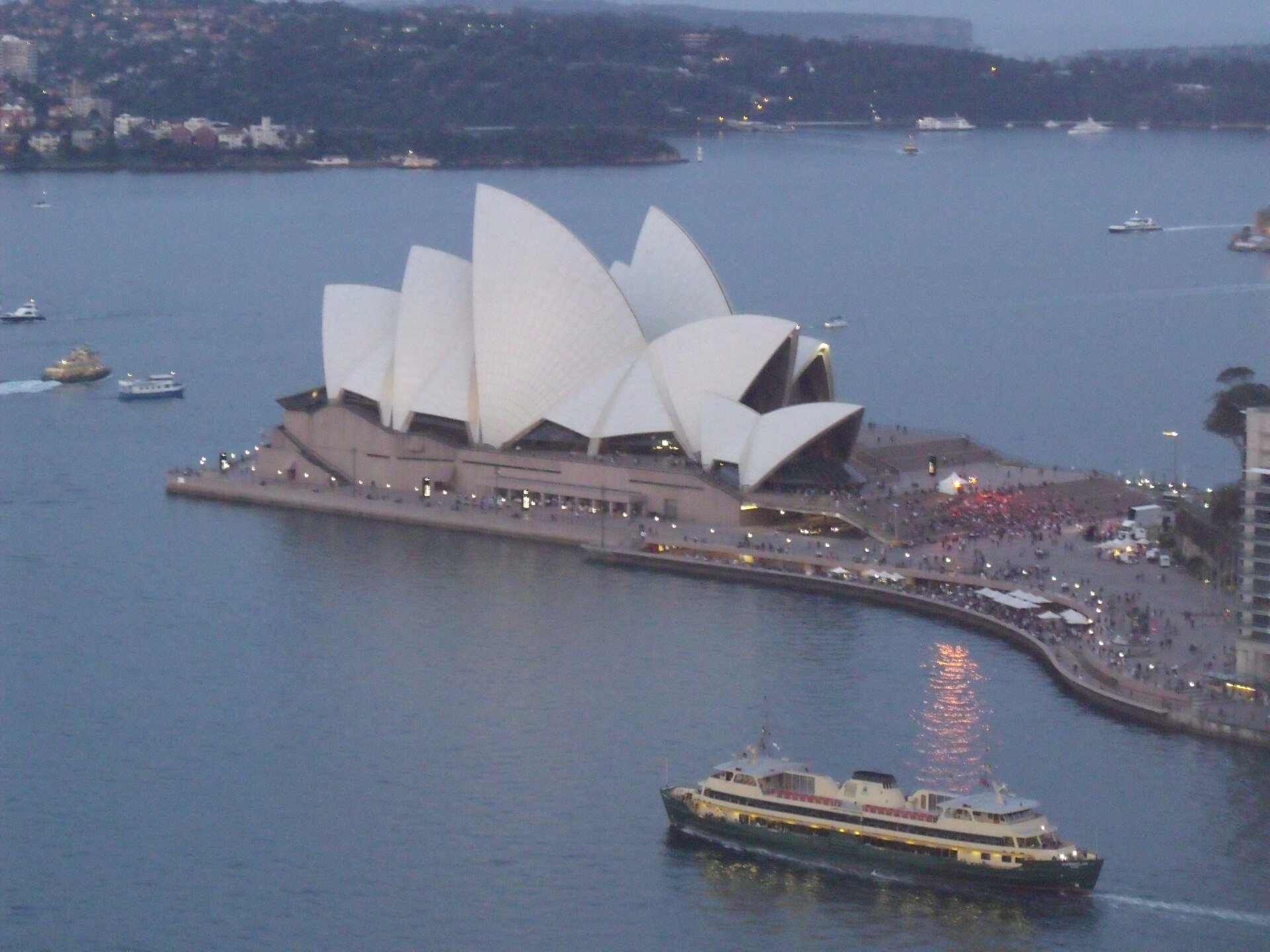
For Australia, the stakes are tangible. The country already runs a lopsided tourism map, with a small number of hero destinations absorbing the lion’s share of international and domestic visitors. Sydney Harbour, the Great Barrier Reef, Uluru, the Great Ocean Road and the Gold Coast dominate the picture, while enormous stretches of regional and remote Australia see comparatively few travellers despite having plenty to offer. If AI trip planners simply amplify the existing hierarchy, the pressure on the busiest sites will intensify while regional operators continue to struggle for attention.
That matters because tourism is one of Australia’s largest service industries and a crucial earner for regional economies. Spreading visitors more evenly has been a stated policy goal for years, partly to protect fragile environments such as the Reef and Uluru from being loved to death, and partly to share the economic benefit with communities that need it. A technology that quietly works against dispersal would cut across those aims.
There is a sustainability dimension too. Concentrated tourism puts strain on water, waste, housing and transport in the places that bear the brunt, and Australian destinations from Byron Bay to the Tasmanian wilderness have already wrestled with the consequences of too many visitors arriving at once. If the next wave of trip planning is mediated by chatbots that favour the famous, local councils and tourism authorities may find the familiar hotspots growing hotter still.
What happens next
The practical question is whether the industry and the AI developers will treat this as a problem worth solving. Tourism Australia and state bodies have the budgets and the content to feed richer regional information into the digital ecosystem, and the more sophisticated operators are already experimenting with AI in their own marketing. Whether that translates into chatbots that genuinely diversify recommendations, rather than defaulting to the postcard shots, remains to be seen.
For travellers, the lesson from the research is a simple one. The tool is only as adventurous as the question you ask it. A prompt that demands the road less travelled will often deliver one, but the person who accepts the first and most obvious suggestion is likely to end up exactly where the crowds already are. For Australia, a nation forever trying to tempt visitors beyond the harbour and the Reef, that is a dynamic worth watching closely.
Sources: The Australian.


