



















































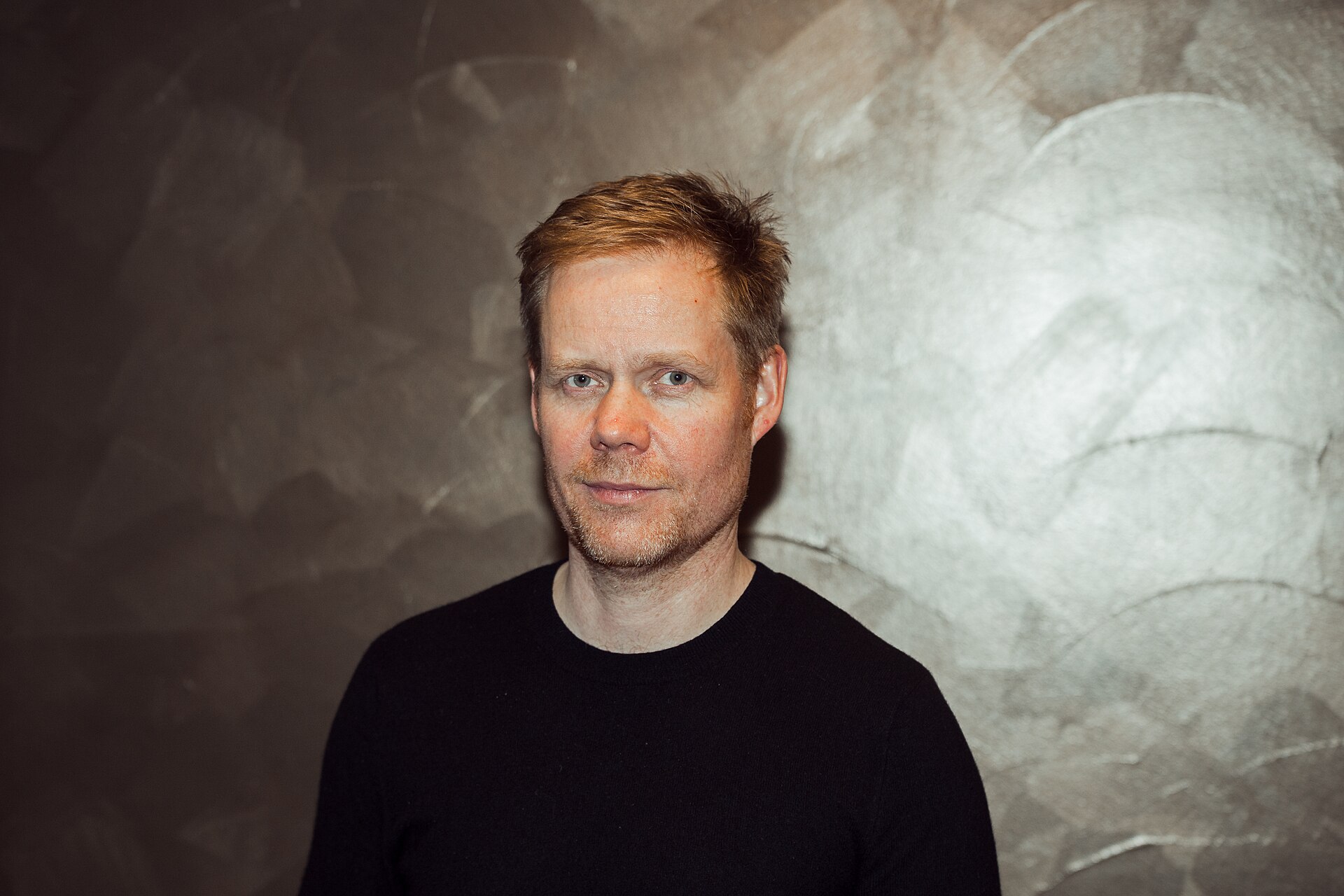
When one of the most-streamed living composers on the planet describes the rush towards artificial intelligence in the arts as a “mistake”, the music industry tends to listen. That is the position staked out by British-German composer Max Richter, whose remarks about machine-made music have reopened a fault line running through every creative economy, including Australia’s.
Richter is not a fringe voice. His album “Sleep” and his recomposed version of Vivaldi’s “Four Seasons” have been played billions of times, and his pieces soundtrack film, television and advertising around the world. So when he argues, as reported by The Canberra Times, that leaning on generative tools to make art is a creative dead end, the comment carries the authority of someone whose work has thrived in exactly the streaming ecosystem now being flooded by synthetic tracks.
The argument he is making
Richter’s case, as he has framed it in interviews, is less a technophobe’s lament than a worry about what gets lost. His concern is that generative systems are trained on the back catalogue of human culture and then recombine it, producing output that sounds plausible but originates nowhere. Music, in his telling, is a form of communication between people, and a model that has never felt anything cannot have anything to say. Calling the wholesale embrace of the technology a “mistake” is his way of warning that the industry risks optimising for cheap, frictionless content at the expense of the thing that gives music its value.
There is also a hard commercial edge to the debate that Richter and his peers keep returning to. Generative models are built on vast quantities of copyrighted recordings, almost always scraped without permission or payment. For working composers, the fear is a market in which their life’s work is used as raw material to manufacture low-cost substitutes that then compete with them on the same platforms, pushing down the already thin royalties that streaming pays.
The other side of the ledger
The counter-argument is not hard to find, and it deserves a fair hearing. The companies building music generators, among them Suno and Udio, along with the research arms of the big technology firms, cast their tools as instruments rather than replacements. On that view, a loop generator or a stem separator is no more a threat to creativity than the drum machine, the sampler or the synthesiser were when they arrived, each of which was once denounced as the death of real musicianship before becoming part of its vocabulary. Plenty of younger producers already treat generative tools as a sketchpad, a way to rough out ideas quickly before a human shapes them into something finished.
Supporters also point to access. Software that lowers the cost of scoring a short film, demoing a song or producing a backing track can widen the pool of people who get to make music at all, not just those who can afford a studio and a session band. The disagreement, then, is not really about whether the technology is useful. It is about who gets paid, who gives consent, and whether a culture that increasingly rewards volume will still make room for the slow, uncommercial work that artists like Richter represent.
Why this lands in Australia
For Australian musicians, this is not a distant overseas quarrel. The local industry is small, export-dependent and acutely exposed to decisions made in boardrooms in California and courtrooms in London. APRA AMCOS, which collects royalties on behalf of tens of thousands of Australian songwriters and publishers, has been vocal that AI developers should license the music they train on and that consent and remuneration must be the baseline, not an afterthought. A world in which training data is treated as free fuel is one in which Australian creators subsidise the very products designed to undercut them.
The policy backdrop sharpens the stakes further. Australia has been weighing whether to introduce a text and data mining exception to copyright, a carve-out that would make it easier for AI firms to train on protected works. Creative groups have fought the idea hard, warning it would hand away the one piece of leverage artists still have. FluentSea has reported on the argument that such a carve-out could prove an own goal for the local sector, stripping value from the creative economy to benefit offshore platforms. Richter’s intervention gives that domestic debate a recognisable face and a blunt verdict.
There is a cultural dimension too. Australia has spent decades building local content rules to make sure home-grown voices are heard on radio, screen and stage. Generative music, with no nationality and no obligation to anyone, cuts across all of that. If synthetic tracks can be produced endlessly and cheaply, the commercial logic that already favours globalised streaming playlists only gets stronger, and the space for distinctly Australian work gets tighter.
What happens next
The near-term action will play out on two fronts. The first is legal. Court cases in the United States and Britain over whether training on copyrighted music without a licence is lawful will set precedents that ripple directly into Australian rights-holders’ negotiating positions. The second is commercial. A growing number of labels and collecting societies are pushing for licensing deals that would put AI training on a paid, consent-based footing, turning the technology from a threat into a revenue stream, at least for those with catalogues worth licensing.
For Canberra, the pressure is to land a position on the copyright question that protects creators without pretending the technology can be wished away. For artists, Richter’s “mistake” framing is a provocation aimed less at the engineers than at their own industry, a challenge to decide what it actually values before the economics decide for it. Whether his warning reads in a decade as prescient or as another drum-machine panic will depend on choices being made right now, many of them in rooms where no musician is present.
Sources: The Canberra Times.


