



















































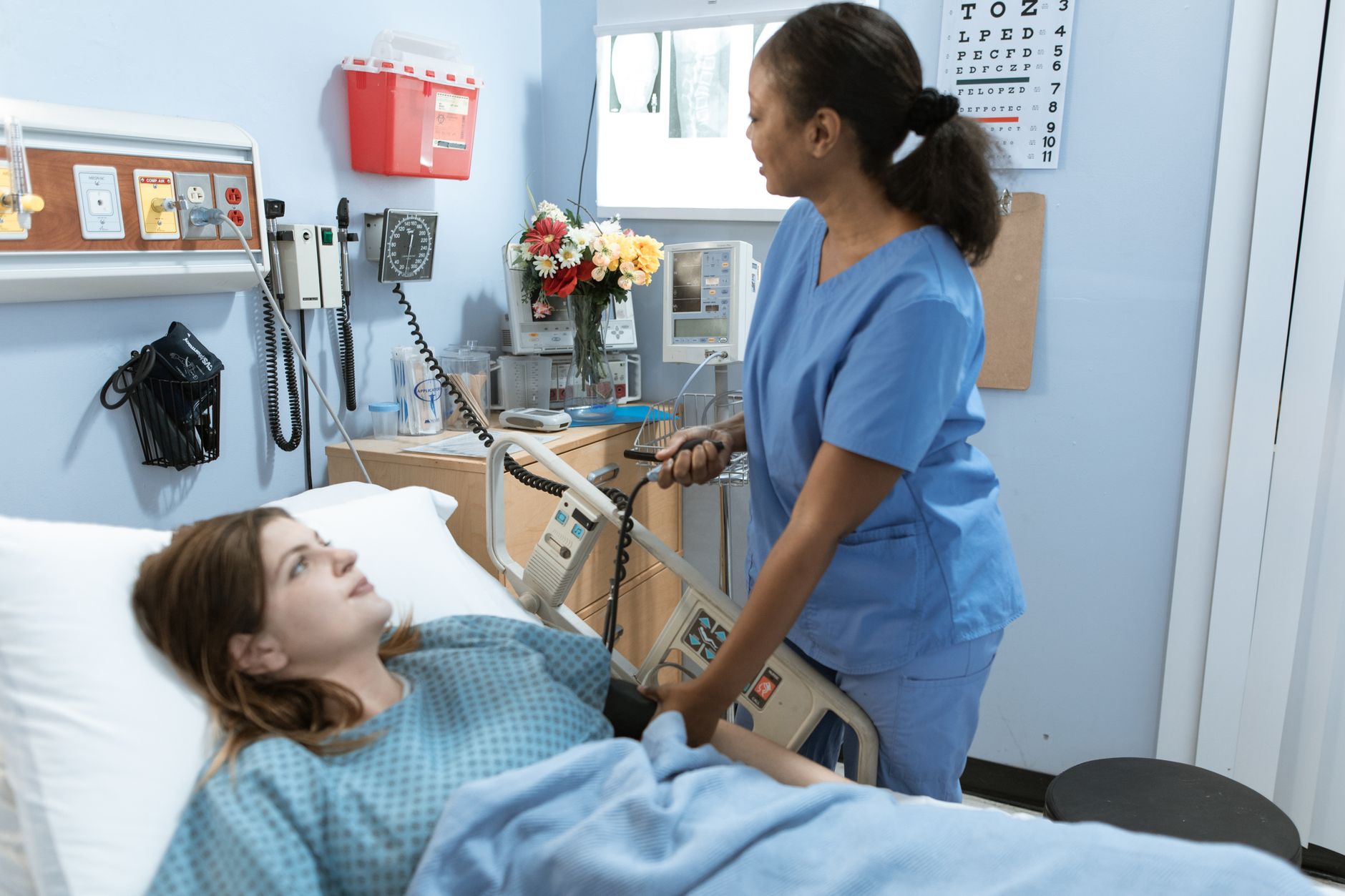
For years the loudest predictions about artificial intelligence and work have focused on who gets replaced. A new forecast lands on a less dramatic but arguably more important question: who gets a machine-made helping hand. According to a new workforce forecast, the Australian jobs most likely to be reshaped by AI over the coming decade are not the ones you might expect. Childcare workers, tradespeople and nurses are tipped to be among the country’s most AI-augmented roles by 2036.
That framing matters. The forecast draws a sharp line between automation, where a task is handed entirely to software, and augmentation, where AI tools take over routine or administrative slices of a job while a human stays firmly in the driver’s seat. On that reading, the occupations expected to change the most are often the ones built around physical presence, judgement and human contact, precisely the things current AI systems cannot do on their own.
Why carers, tradies and nurses
At first glance it is a counterintuitive list. Early anxiety about AI centred on white-collar work: lawyers, analysts, copywriters and coders watching chatbots creep into their patch. The occupations highlighted in this forecast sit at the other end of the spectrum, in care, construction and clinical settings where the core work happens in the real world.
The logic is that these jobs carry a heavy load of paperwork, scheduling, compliance and documentation wrapped around the hands-on task. A childcare worker spends real hours on attendance records, developmental reports and regulatory sign-offs. A nurse juggles charting, medication logs and handover notes alongside bedside care. A tradesperson quotes jobs, orders materials, books inspections and files certifications between swinging a hammer. AI tools that draft, summarise, schedule and check can strip time out of that administrative tail without touching the part of the job that requires a person.
Framed this way, augmentation looks less like a threat and more like a release valve for sectors that have been straining under workforce shortages for years. Aged care, childcare, nursing and the construction trades all sit on official skills-shortage lists, and every hour an AI assistant claws back from paperwork is an hour returned to the work people were actually hired to do.
Two ways to read the forecast
Optimists will see a rare piece of good news in the automation debate. If the technology genuinely augments rather than replaces, then the sectors most exposed to AI are also the sectors most desperate for relief. More time with children, patients and clients, less time on forms, is close to a universal wish list across those industries. On this view, AI becomes a quiet productivity story in parts of the economy that have historically been hard to make more efficient without cutting corners on quality.
The sceptical reading is that “augmentation” can be a comfortable word for a messier reality. Tools introduced to save time have a habit of raising expectations instead, so the childcare worker who drafts reports faster is simply handed more children, and the nurse who charts faster is given a bigger ward. There is also the question of who carries the risk when an AI-generated clinical note or safety certificate is wrong. In regulated, safety-critical fields, a helpful draft is only helpful if a qualified human still reads, checks and owns it, and that oversight is itself work that rarely shows up in a productivity forecast.
Both readings can be true at once. The difference between augmentation that helps and augmentation that grinds people down tends to come down to implementation: whether workers are trained and consulted, whether the time saved is genuinely returned to them, and whether accountability stays clear when a machine gets it wrong.
What it means for Australia
For Australia, the stakes are unusually concrete because these are the occupations the country cannot do without and cannot easily fill. Care and construction are central to the federal government‘s agenda, from the National Disability Insurance Scheme and aged care to the ambitious housing targets that depend on a trades workforce already stretched thin. If AI can ease the administrative burden in those fields even modestly, the macroeconomic payoff could be meaningful, and it would land in exactly the places where labour is scarcest.
It also reframes the national conversation about AI skills. Much of the policy energy so far has gone toward preparing office workers and students for a world of chatbots and copilots. This forecast is a reminder that the workers most affected by 2036 may be on building sites, in classrooms and in hospital wards, often without the digital training or on-the-job support that desk-based staff take for granted. Lifting AI literacy for a nurse or a chippy is a very different exercise to rolling out a tool in an open-plan office, and it will need deliberate investment in training, not just new software licences.
There is a workplace-relations dimension too. Unions covering care and construction will be alert to how these tools are introduced, who owns the data they generate, and whether productivity gains are shared with the workforce or simply banked by employers. Australia’s regulators have already flagged concerns about AI accountability in sensitive settings, and healthcare in particular is governed by strict rules about clinical record-keeping and patient safety. How augmentation is managed in a hospital will look nothing like how it is managed on a construction site, and the policy settings will need to flex accordingly.
What’s next
A forecast reaching to 2036 is a provocation, not a prophecy, and plenty can shift in a decade of fast-moving technology. The near-term test is whether these augmentation gains show up in real workplaces rather than vendor pitch decks, and whether they translate into better conditions rather than heavier workloads. Expect the debate to sharpen as employers in care, health and construction trial AI documentation and scheduling tools, and as governments weigh how much to invest in reskilling workers who have historically been last in line for digital training.
If the forecast is right, the defining AI story of the next decade in Australia will not be the robot that takes your job. It will be the quieter one about whether the technology finally gives overstretched carers, nurses and tradies back some of their time, or simply asks them to do more with the hours they save.
Sources: The Malaysian Reserve.


