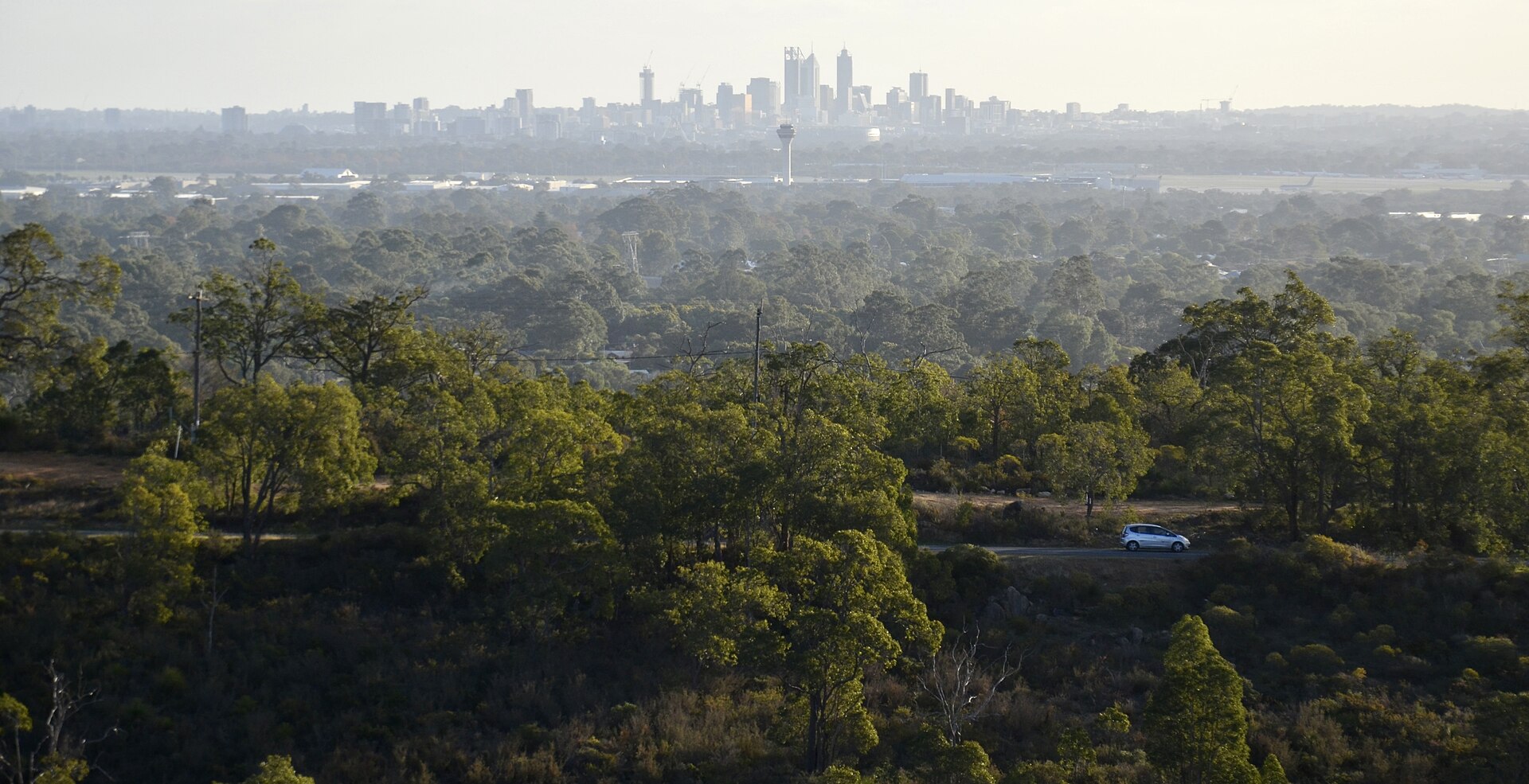
One of the more striking features of the artificial intelligence boom is how often the people building its physical backbone are also the ones warning about where it might lead. The latest to join that company is Mark Barnaba, the Perth business identity who chairs the data centre giant AirTrunk, and who has aired candid personal unease about the pace at which the technology is being adopted and whether humans will stay firmly in charge of it.
Barnaba’s remarks, reported by The Australian Financial Review, matter precisely because of who is making them. This is not a bystander lobbing concerns from the sidelines. AirTrunk operates some of the largest hyperscale data centres across the Asia Pacific, the very warehouses of silicon and cooling that train and run the models everyone is suddenly talking about. When the person chairing that business says he worries about AI getting beyond human control, it carries a weight that a thousand opinion columns do not.
Who is Mark Barnaba
Barnaba has spent decades near the centre of corporate Australia, with roles spanning finance, resources and public institutions, and a long association with Western Australia‘s business establishment. He is widely known in Perth circles and has held senior positions at major institutions over his career. That pedigree is part of why his comments register. He is not a doomsayer by reputation, and he presides over a company that is a direct beneficiary of the AI build-out, which makes a note of caution from him harder to dismiss as reflexive pessimism.
His concern, as outlined publicly, is less about any single product and more about velocity and governance. The adoption curve for generative AI has been steeper than almost any technology before it, and the worry he has voiced is a familiar one among thoughtful insiders: that the systems are being woven into workplaces, services and decision-making faster than the guardrails, the oversight and the collective understanding can keep up.
Two ways of reading the warning
There are broadly two camps forming around comments like these, and both deserve a hearing. The first treats senior-executive caution as a healthy signal. On this view, the fact that someone with skin in the game is prepared to say the pace is uncomfortable is a sign the industry is maturing rather than simply cheerleading. Leaders who understand the infrastructure intimately are often best placed to sense where the strain is building, and their willingness to speak gives political and regulatory cover to those drafting rules.
The second camp is more sceptical of the genre. Warnings about AI escaping human control have become something of a ritual among technology leaders, and critics argue they can serve a dual purpose. They burnish the speaker’s image as a responsible steward while also inflating the mystique and perceived power of the very products their companies sell. The counter-argument runs that the immediate harms of AI are mundane and present, bias in automated decisions, job displacement, concentration of market power and the enormous energy appetite of data centres, rather than a distant science-fiction scenario of machines running amok. On that reading, abstract talk of losing control risks distracting from problems that are already here and already measurable.
Both perspectives can be true at once. It is possible to take near-term harms seriously and still think the trajectory of ever more capable systems deserves sober attention. What Barnaba’s intervention does is pull the conversation out of the laboratories of San Francisco and plant it firmly in an Australian boardroom.
Why this lands differently in Australia
For Australia, and for Perth in particular, the stakes are unusually concrete. AirTrunk is one of the clearest examples of the country becoming a serious node in the global AI supply chain, and the appetite for data centre capacity has set off a scramble for land, power and water across the eastern states and increasingly in the west. Western Australia, with its space, its energy resources and its proximity to Asian markets, has been positioning itself as a natural home for the next wave of digital infrastructure. The chairman of a leading operator questioning the pace of it all is a reminder that the economic opportunity and the governance challenge are two halves of the same story.
The timing also dovetails with a live national debate. Canberra has spent much of this year wrestling with how far to go on AI regulation, with repeated warnings from security agencies, industry bodies and civil society that the country risks a widening gap between how quickly the technology is being deployed and how slowly the rules are being written. Australia’s intelligence community has flagged the espionage and insider-threat risks around data centres, while policymakers continue to argue over whether existing laws are enough or whether purpose-built AI legislation is needed. Barnaba’s comments add an influential business voice to the side of the ledger urging caution.
There is a credibility dividend here too. When regulation is proposed, the loudest objection is often that it will strangle investment and chase capital offshore. A warning from the chair of a major infrastructure player complicates that narrative. It suggests that at least some of the people deploying capital are not asking to be left entirely alone, and that sensible oversight need not be the enemy of a thriving industry.
What happens next
The practical question is whether words translate into anything beyond a headline. Expect Barnaba’s comments to be cited in the ongoing debate about an Australian AI safety framework and in the continuing argument over how data centres should be governed, powered and secured. For AirTrunk itself, under Blackstone’s ownership and in aggressive expansion mode, the interesting tension is between a chairman counselling care and a business racing to build capacity as fast as demand allows.
For the rest of corporate Australia, the signal is simpler. If the person chairing one of the region’s biggest AI infrastructure companies is prepared to say publicly that he worries about control, then boards rolling out AI across their own operations have every reason to slow down, ask harder questions and invest in oversight before, rather than after, something goes wrong. That, more than any single forecast about runaway machines, may be the most useful takeaway from a Perth business leader’s moment of candour.
Sources: The Australian Financial Review.