



















































The scramble for electricity to feed Australia’s growing fleet of artificial intelligence data centres has found a new frontier in Tasmania, where one of the country’s more ambitious operators says it is prepared to pay almost any price to keep its machines running.
Firmus, the company behind a planned “AI factory” on the island, has indicated it will pay “whatever the cost is” to secure the power its facility needs, according to Pulse Tasmania. It is a striking declaration, and it crystallises a tension that has been building across the sector all year: the economics of AI compute are now so lucrative, and the race to build capacity so frantic, that energy has shifted from a cost line to be managed into a prize to be won at almost any price.
Why Tasmania
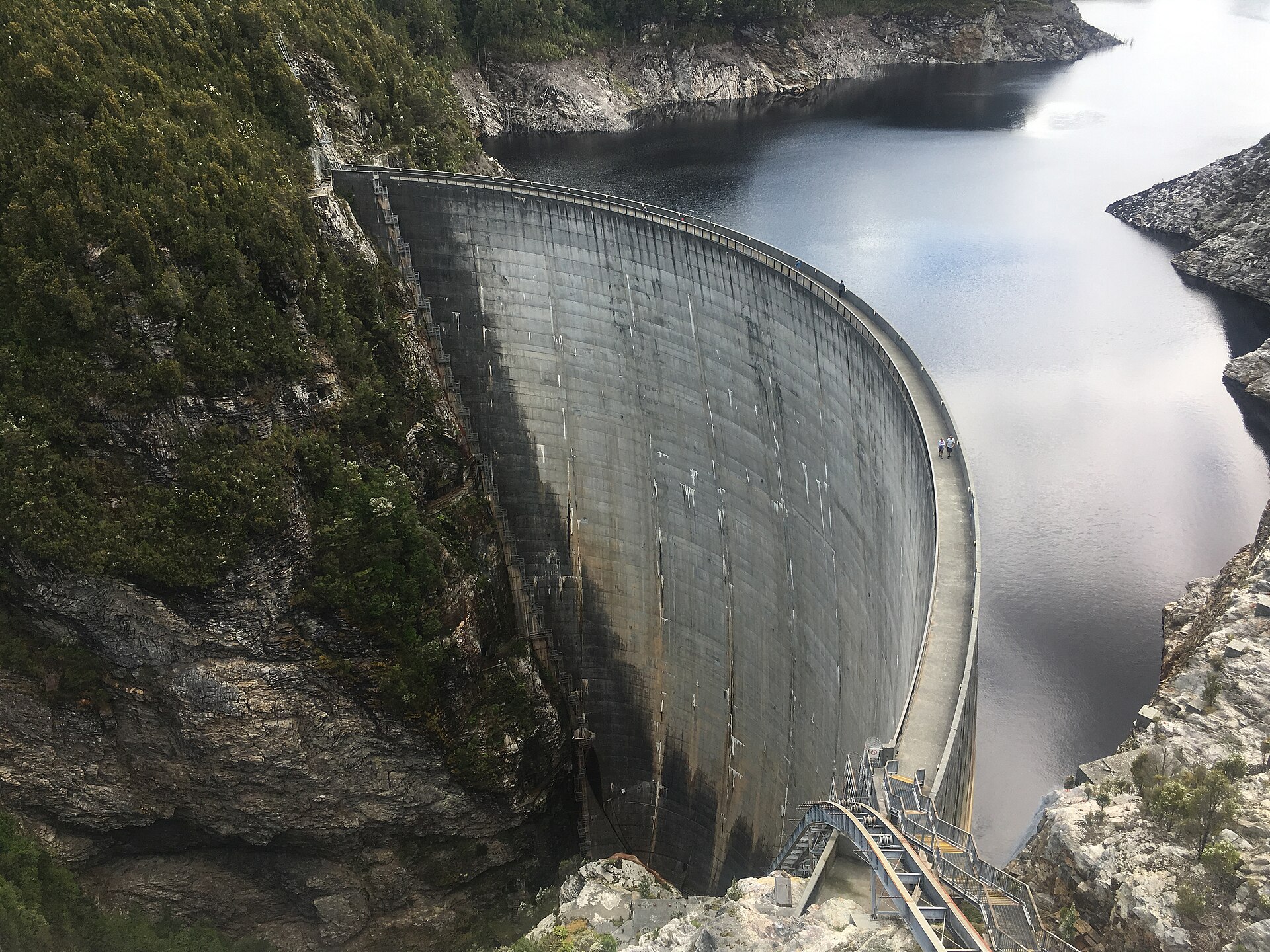
Tasmania has long marketed itself as the renewable heart of the national electricity market. The state generates the overwhelming majority of its power from hydro and wind, a legacy of the dam-building era that gave rise to Hydro Tasmania and, more recently, to the “Battery of the Nation” vision of exporting clean energy to the mainland. For a data centre operator trying to square enormous electricity demand with corporate commitments to run on green power, that profile is close to ideal.
AI factories are not ordinary data centres. They pack thousands of high-end graphics processors into tightly cooled halls, and a single large facility can draw as much electricity as a small city. Firmus has built its pitch around efficiency, using immersion cooling to cut the energy wasted on keeping chips cool, and around siting that taps genuinely renewable supply rather than relying on offsets. Tasmania’s cool climate and hydro base make the sums work in a way they struggle to on a hot, coal-heavy mainland grid.
That is the backdrop to the “whatever the cost” posture. For a company whose customers are paying premium rates to train and run AI models, the marginal value of an extra megawatt is extraordinarily high. If securing firm, clean power means outbidding other users or funding new connections, the maths can still favour spending big, because the alternative is leaving expensive hardware idle.
The case for, and the worry
Supporters of projects like this argue they are exactly what Tasmania should be chasing. The state has spent decades trying to turn its renewable endowment into high-value industry rather than simply exporting raw electrons. A cluster of AI and cloud facilities would bring construction work, skilled operational jobs and a reason to accelerate transmission upgrades such as the proposed Marinus Link interconnector to Victoria. It would also give Australia a sliver of the sovereign compute capacity that governments and businesses increasingly say they want held onshore, a theme that has run through much of the national conversation this year.
The counter-argument is just as immediate. If a well-funded AI operator is willing to pay “whatever the cost is,” the obvious question is what that does to the price everyone else pays. Tasmanian households and existing industrial users share the same grid, and energy affordability is already a live political issue across the country. Large new loads can tighten supply, push up wholesale prices and bring forward the need for costly network investment, with the risk that ordinary consumers help carry the bill for infrastructure built to serve a handful of hyperscale customers.
There is an environmental dimension too. Tasmania’s hydro output is finite and varies with rainfall, and in dry years the state has had to import power or run gas. Committing a growing share of firm renewable supply to AI compute raises a legitimate question about whether that energy is being put to its highest use, or whether it would do more for emissions by displacing fossil generation on the mainland via the interconnector. Conservation groups have historically watched any expansion of demand on the hydro system closely, and a new class of very large, very hungry customers will not escape that scrutiny.
What it means for Australia
Firmus’s stance is a local expression of a national problem. FluentSea has reported repeatedly this year on the collision between AI’s appetite for electricity and the limits of the grid, from warnings about data centre energy demand to debates over whether quantum and AI workloads will strain supply faster than new generation can be added. The Firmus position sharpens that debate because it puts a number, or rather the absence of a ceiling, on how much operators will spend.
For policymakers, the episode underlines how quickly AI infrastructure is becoming an energy-policy question as much as a technology one. Decisions about where data centres connect, who funds the transmission they rely on and how their demand is prioritised against households and traditional industry are now squarely in the hands of state governments, network operators and the Australian Energy Market Operator. Tasmania, with its renewable surplus and its interconnector ambitions, is a test case for how the rest of the country might handle the same pressures.
It also feeds the broader sovereignty argument. Australia has watched much of its cloud and AI capacity sit in offshore or foreign-owned facilities, and there is growing appetite, in Canberra and in the market, for domestically controlled compute. A Tasmanian AI factory running on local renewable power ticks several of those boxes at once, which is partly why operators feel confident spending aggressively to make it happen.
What’s next
The near-term questions are practical. How much firm power can Tasmania’s system actually commit to new AI loads without lifting prices for everyone else, and on what terms will connections be offered? The answers will depend heavily on the pace of transmission upgrades and on whether the state treats large AI customers as a strategic opportunity to be courted or a risk to be capped. Expect Hydro Tasmania, TasNetworks and the state government to face increasing pressure to spell out their position as more operators follow Firmus’s lead.
For now, the “whatever the cost” message lands as both a statement of confidence and a warning shot. It tells the market that AI compute is lucrative enough to justify paying almost any price for clean, reliable electricity. It also tells Tasmanians that the value of their hydro legacy is about to be contested by some very deep pockets, and that how the state manages that contest will shape its energy future for years.
Sources: Pulse Tasmania.


