



















































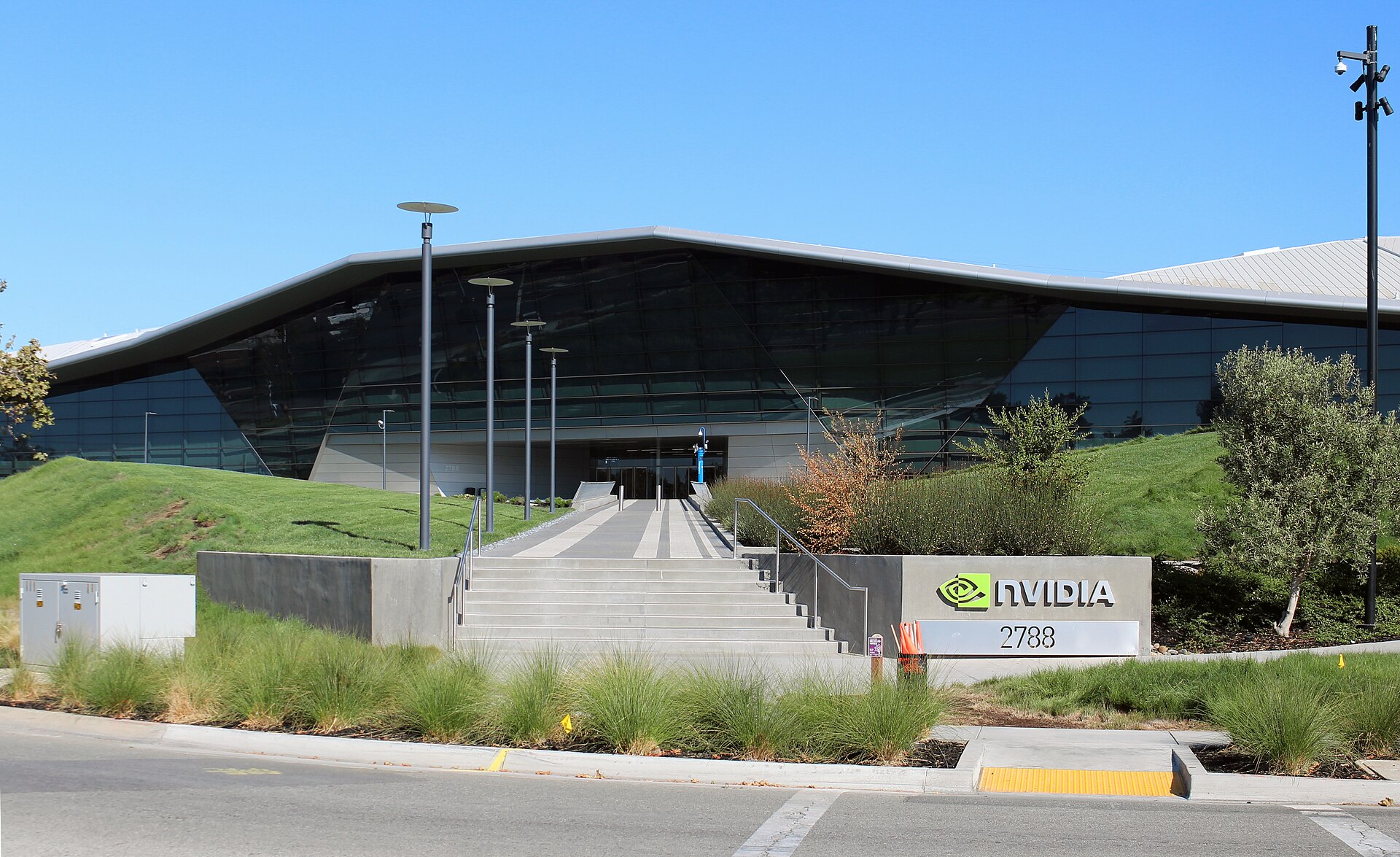
There is a familiar ritual playing out on the Australian Securities Exchange this year. A smaller technology company, eager to prove its artificial intelligence ambitions are more than a line in an investor deck, reaches for a name with genuine Silicon Valley pedigree and installs it in the corner office. The latest to follow the script is FortifAI, the ASX-listed outfit behind an enterprise platform called NOL8, which has recruited a former leader from NVIDIA to take the chief executive role and drive the product to market.
On paper, it is the kind of appointment that reads well. NVIDIA has become the single most recognisable name in the global AI boom, the company whose graphics processors sit underneath nearly every large language model and whose market value has swelled to levels that would have seemed fantastical only a few years ago. Borrowing a leader from that orbit is a deliberate signal to the market: we are serious, we understand the technology at a deep level, and we intend to compete. As Kalkine reported, the question investors are now asking is a simple one: why has FortifAI gone to the trouble, and what does it expect to get in return?
The company and the platform
FortifAI trades on the ASX under the ticker FTI and sits firmly in the small-cap corner of the market, where capital is scarce, patience is thin and a single announcement can move the share price sharply in either direction. Its flagship product, NOL8, is pitched as an AI platform aimed at enterprise customers, the sort of tooling that promises to automate workflows, surface insights from company data and reduce the manual grind that still clogs up large organisations. That is a crowded field. Every major cloud provider, a swarm of well-funded startups and the big enterprise software houses are all chasing the same corporate budgets, which makes credibility and go-to-market execution the real battleground rather than the underlying technology alone.
That context helps explain the logic of the hire. A founder-led small cap can build an impressive product and still struggle to sell it, because enterprise procurement is slow, relationship-driven and sceptical of unproven vendors. Someone who has operated inside NVIDIA brings not only technical fluency but a Rolodex of partners, hyperscalers and channel relationships that a company like FortifAI could never assemble on its own. The bet is that the new chief executive can translate the platform’s promise into signed contracts and recurring revenue, which is the currency the market ultimately rewards.
Two ways to read the move
Supporters of the decision will point to the obvious upside. Leadership matters enormously at this stage of a company’s life, and a credible operator can be the difference between a product that quietly fades and one that finds its market. If the incoming executive can open doors to the kind of infrastructure and partnership deals that NVIDIA alumni are well placed to broker, the appointment could prove transformational for a business that badly needs momentum. There is also a straightforward narrative benefit: association with NVIDIA lends the company a halo of legitimacy that is hard to manufacture any other way.
The more cautious reading is worth airing just as plainly. The ASX has seen a steady procession of companies rebadging themselves around artificial intelligence over the past two years, and not all of those pivots have delivered for shareholders. A high-profile hire generates headlines and can lift a share price in the short term, but it does not by itself create customers, revenue or a defensible position in a market dominated by giants with effectively unlimited resources. Investors who have watched the cycle before will want to see the appointment followed by tangible milestones: paying customers, partnership agreements, revenue guidance and clear evidence that NOL8 solves a problem enterprises are willing to pay to fix. A big name at the top is a beginning, not a result.
What it means for Australia
For the local market, the FortifAI appointment is a small but telling data point in a much larger story. Australian institutions and regulators have spent the past year wrestling with how the country participates in the AI build-out, a theme that has run through everything from Commonwealth Bank‘s compute commentary to the broader debate about whether Australian firms can compete without the scale of their American rivals. The ability of a modestly sized ASX company to attract genuine international talent suggests the local market is now seen as a viable platform for AI ambitions, not merely a place to list and hope.
There is a cautionary thread for Australian investors too. The retail base on the ASX has shown real appetite for AI exposure, and that enthusiasm can outrun fundamentals. The lesson from the current cycle, visible in the way global markets have repriced AI-linked stocks, is that credibility signals need to be backed by delivery. A former NVIDIA leader joining an Australian small cap is encouraging for the depth of the local ecosystem, and it raises the stakes for the company to convert that credibility into results. If FortifAI succeeds, it becomes a case study in how homegrown AI firms can punch above their weight. If it stumbles, it becomes another reminder that executive star power is no substitute for a working commercial model.
What happens next
The immediate focus will be on substance over symbolism. The market will be looking for the new chief executive to set out a clear strategy for NOL8, name the customer segments the company intends to win, and put dates against commercial milestones. Partnership announcements, particularly any involving infrastructure or distribution, would do more to validate the hire than any amount of biography. Investors will also watch how the appointment affects the company’s funding position, because scaling an enterprise AI platform is capital-intensive and small caps frequently need to return to the market to pay for growth.
For now, FortifAI has bought itself attention and a measure of credibility, which for a small company in a noisy sector is not nothing. Whether that translates into the durable value shareholders are hoping for depends on the far less glamorous work of selling software, winning trust and executing quarter after quarter. The appointment is the easy part. The company’s next few results will tell the market whether it was the right one.
Sources: Kalkine via GNews.


