

















































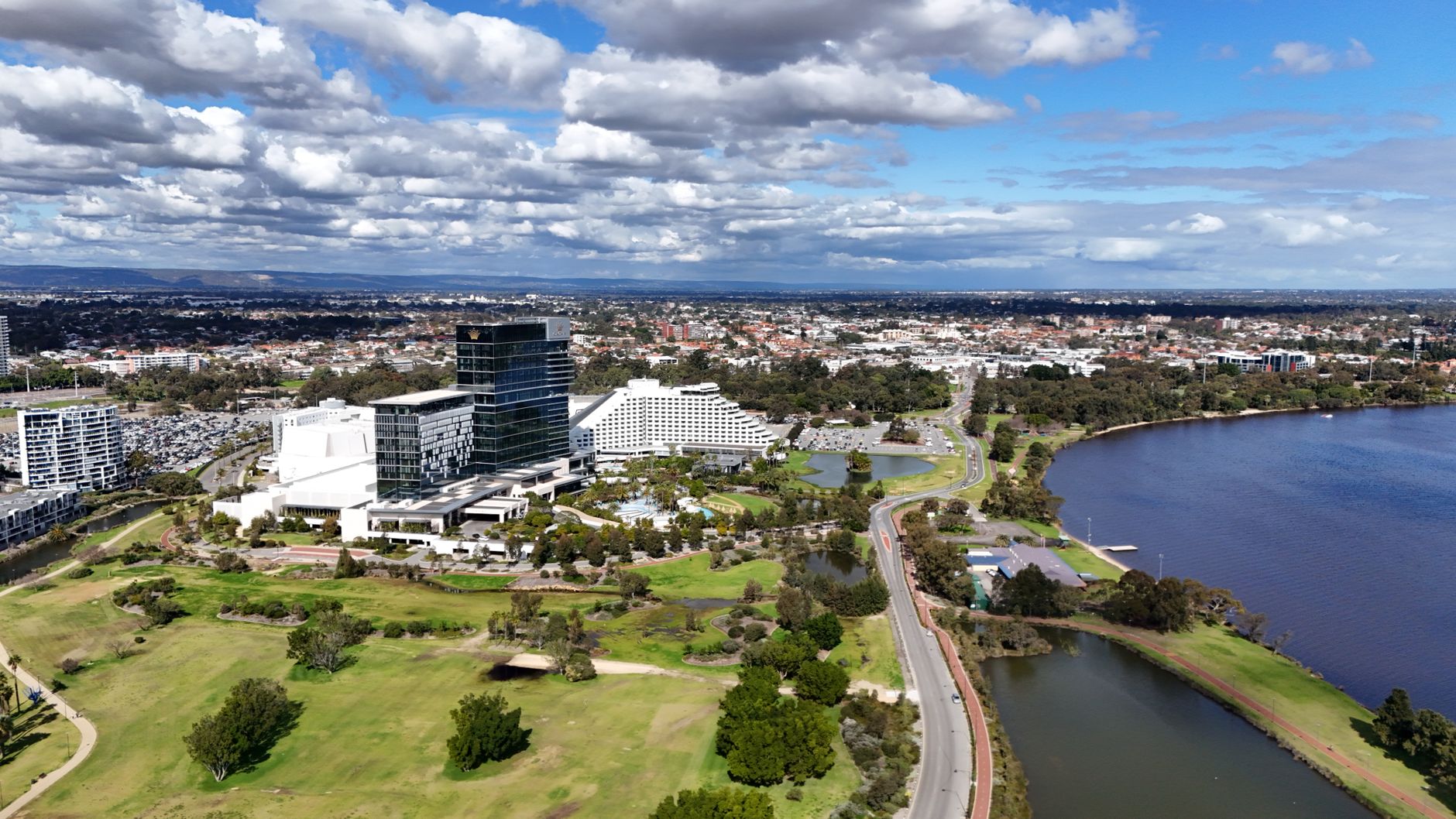
For years the pattern has been predictable. When an American technology company decides Australia is worth the trouble, it opens a Sydney office in the shadow of the harbour, hires a country manager who used to work at one of the big cloud vendors, and treats the rest of the continent as a rounding error. This weekend, a Silicon Valley artificial intelligence firm called StoryClaw is trying something different. It is launching in Australia from Perth.
The decision, reported by WAMN News, breaks with the well-worn convention that Australian tech expansion begins and ends on the east coast. For a company most Australians have never heard of, choosing Western Australia as a beachhead is either a shrewd read of an under-served market or a gamble on a city that has long insisted it is more than mining and fly-in, fly-out rosters.
Who StoryClaw are, and what they do
StoryClaw sits in the crowded and fast-moving field of applied artificial intelligence, the layer of companies building products on top of the large language models that have dominated headlines since the arrival of generative AI. Firms in this bracket typically package the raw capability of models into something a business can actually use: content generation, customer-facing assistants, document analysis, or workflow automation dressed up for a specific industry.
The company is young and, by Silicon Valley standards, still early in its life. That makes its choice of Perth all the more striking. Established American players tend to arrive in Australia only once they have exhausted easier growth at home. A newer firm making an international move this quickly suggests either strong investor backing pushing it to expand, or a founder with a personal reason to look south. Until the launch this weekend fills in the detail, the specifics of StoryClaw’s product roadmap in Australia remain thinly sketched, and readers should treat the grander claims with the usual caution that attends any startup’s opening pitch.
Why Perth, and why now
The obvious question is why a Silicon Valley company would skip Sydney and Melbourne, the cities that between them hold the overwhelming majority of Australia’s venture capital, enterprise headquarters and technical talent. There are a few plausible answers, and they are not mutually exclusive.
The first is timezone. Perth runs on Australian Western Standard Time, which through much of the year lines up more neatly with Asian business hours than the east coast does. A company with ambitions across Singapore, Jakarta and the wider Asia-Pacific can use Perth as a bridge rather than a backwater. The second is cost. Office space, salaries and the general expense of doing business are lower in Perth than in Sydney, where commercial rents and engineering wages have climbed to levels that make experimentation painful. The third is competition. In Sydney, a new AI entrant is one of dozens fighting for attention and staff. In Perth, it can be a comparatively big fish, courted by a state government eager for exactly this kind of announcement.
There is also the matter of Western Australia’s own push to diversify. The state has spent the better part of a decade trying to convince the country, and itself, that its economy can be about more than iron ore and gas. Programs to seed local startups, attract data centre investment and build out research capacity have all been part of that effort. A Silicon Valley name choosing Perth is precisely the validation those programs were designed to attract.
Two ways to read the move
Optimists in the local ecosystem will see this as a milestone. For a city that often feels overlooked in national tech conversations, an American AI firm arriving first, rather than last, is a genuine morale boost. It can help retain graduates who might otherwise decamp to Melbourne or overseas, and it lends credibility to the argument that meaningful technology work can happen west of the Nullarbor.
The sceptics will counter that a launch is not a commitment. Ribbon-cuttings are cheap, and the history of Australian tech is littered with foreign companies that opened with fanfare and quietly folded their local operations within a year or two once the growth numbers disappointed. The real test is not whether StoryClaw shows up this weekend, but whether it is still hiring in Perth in eighteen months, and whether the roles it creates are engineering and product jobs rather than a thin sales presence reporting to a head office ten thousand kilometres away. There is also the persistent risk that AI startups, flush with investor cash today, run into the harsher funding climate that many analysts expect as the sector’s inflated valuations meet reality.
What it means for Australia
Beyond Perth, the choice carries a wider signal about how the global AI industry views Australia. The country has positioned itself as a stable, English-speaking, well-regulated place to do business, and its comparatively cautious approach to AI regulation has so far avoided the sharper edges of the European Union’s rules. For international firms weighing where to test products in the Asia-Pacific, that stability is an asset. If Perth can attract a Silicon Valley entrant, other second-tier cities such as Adelaide, Brisbane and Canberra may reasonably ask why not them too.
There are national stakes in the talent question as well. Australia’s AI workforce is small and heavily concentrated on the east coast. Anything that spreads high-value technical work more evenly across the country reduces the pressure on Sydney and Melbourne and gives skilled workers a reason to stay rather than emigrate. That is a policy outcome successive federal governments have chased with limited success, and private-sector decisions like StoryClaw’s do more to shift it than most grant programs.
What is next
The immediate milestone is the launch itself this weekend, which will reveal how substantial StoryClaw’s Australian plans really are. The details worth watching are concrete: how many local staff the company intends to hire, whether it is building product and engineering capability in Perth or simply selling into the market, and whether any West Australian government support underpins the move. Those answers will separate a genuine investment from a photo opportunity.
For now, Perth has secured something it does not often get: first pick. Whether that turns into lasting jobs and a deeper local AI industry, or fades as another well-meaning announcement, is the story that matters. This weekend is only the opening line.
Sources: WAMN News


