


























As investors scramble for ways to buy into the AI boom on the ASX, one of the market’s quieter infrastructure names is making a loud pitch: Macquarie Technology wants to be Australia’s sovereign AI landlord.
Macquarie Technology Group (ASX: MAQ), the Sydney-based cloud, data-centre, government cyber security and telecommunications company, has spent 2026 positioning its data-centre arm at the centre of the country’s AI build-out. The question analysts keep asking, and the one a recent Kalkine Media note put plainly, is whether the company is “race ready” for a market where AI-linked infrastructure has become one of the hottest trades on the exchange.
Power, not just floor space
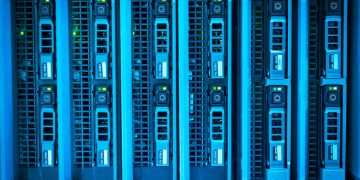
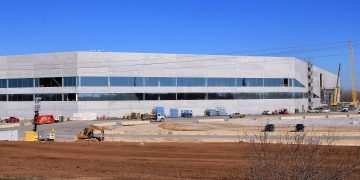
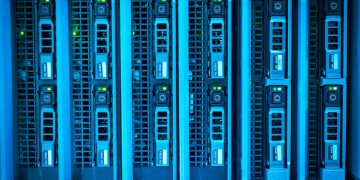
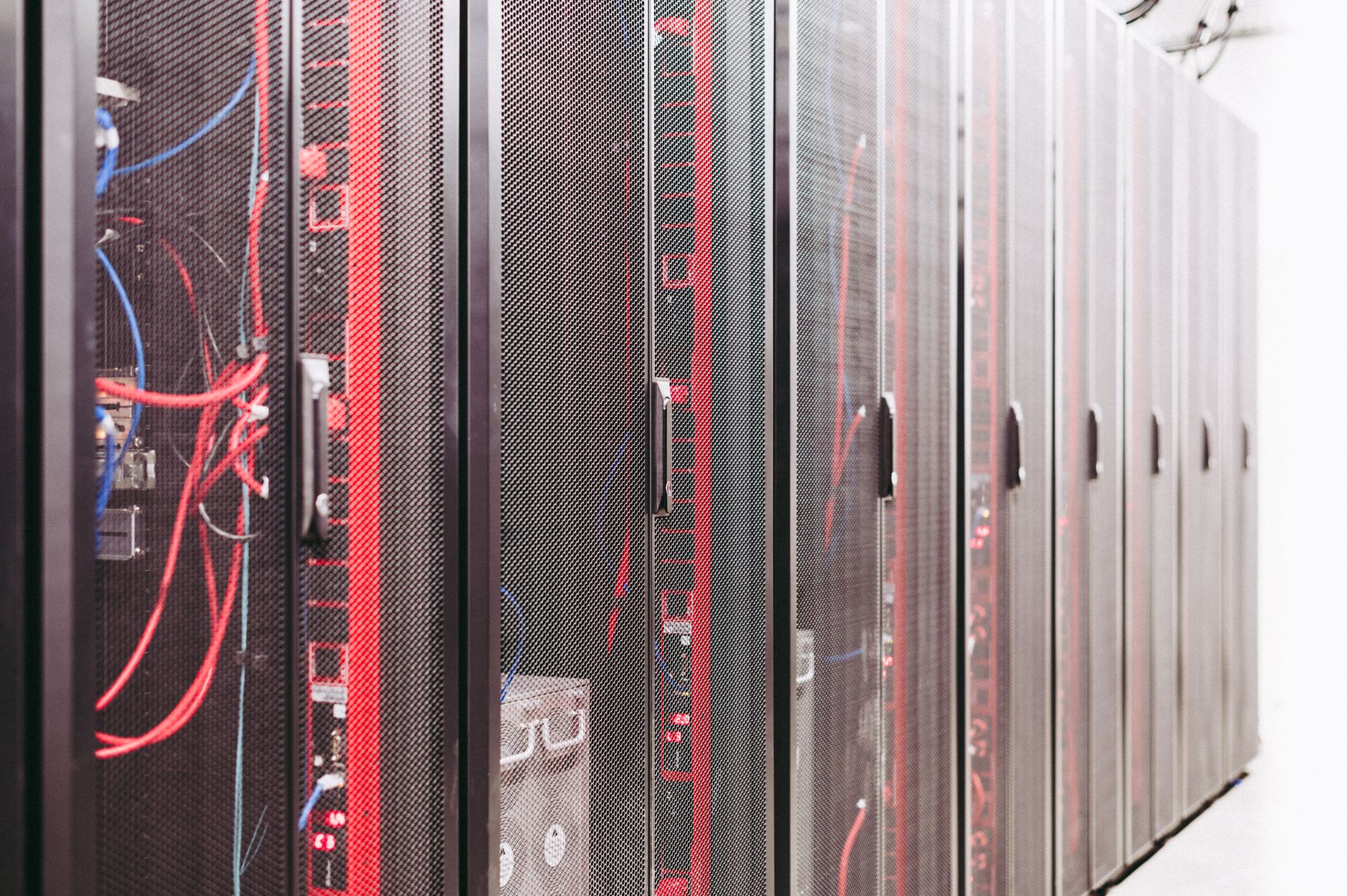
The centrepiece is IC3 Super West, a purpose-built AI facility in Sydney’s Macquarie Park. According to Macquarie Data Centres, the site is due to come online in mid-2026 with its entire end-state power already secured, a detail that matters more than it sounds. In an AI build-out the scarce resource is rarely concrete or racks; it is megawatts and cooling. The 47-megawatt facility is engineered for exactly the density that modern GPU clusters demand.
To fill it, Macquarie Data Centres has partnered with Dell to host what the pair are calling “Sovereign AI Factories”, combining Macquarie’s secure and compliant local capacity with Dell’s NVIDIA-powered GPU compute and storage. The sovereign framing is deliberate. It promises customers, and government in particular, that the data and the models stay onshore, under Australian control.
The investment case
Macquarie Technology’s appeal to the market is that it is a hybrid, part services business and part infrastructure play, rather than a pure-play data-centre bet like NextDC. That diversification, backed by a long execution record and its government cyber security work, is pitched as the more conservative way to ride the same wave. On the numbers, the company has guided to its data centres contributing up to A$41 million in EBITDA in FY26, according to The Tech Capital, with the bigger prize being the capacity that comes on stream as Super West ramps up.
The company, co-founded and still led by David Tudehope, is one of a small cluster of ASX names, alongside NextDC and DigiCo, that investors are increasingly treating as core infrastructure exposure to AI rather than speculative tech, according to StockBinge. None of this is a recommendation to buy. Data-centre economics hinge on power prices, grid connections and demand that is still finding its level. But the direction of travel is hard to miss.
Why it matters
The AI story on the Australian market is quietly becoming a power-and-property story. The models grab the headlines, but the constraint is physical: land near the grid, transformers, water for cooling and long-dated energy contracts. That is why the same data-centre boom now shows up in debates over national AI policy, electricity prices and even the supply of land for housing.
It also puts a commercial spine under the sovereignty argument playing out in Canberra. When politicians talk about Australia controlling its own AI destiny, companies like Macquarie are the ones actually pouring the slab. Whether “sovereign” capacity commands a premium, or simply becomes the baseline expectation for government and regulated industries, is one of the more consequential questions hanging over the sector for the rest of 2026.
This article is general information, not investment advice. Sources: Macquarie Data Centres, The Tech Capital, StockBinge and Wikipedia.


