
































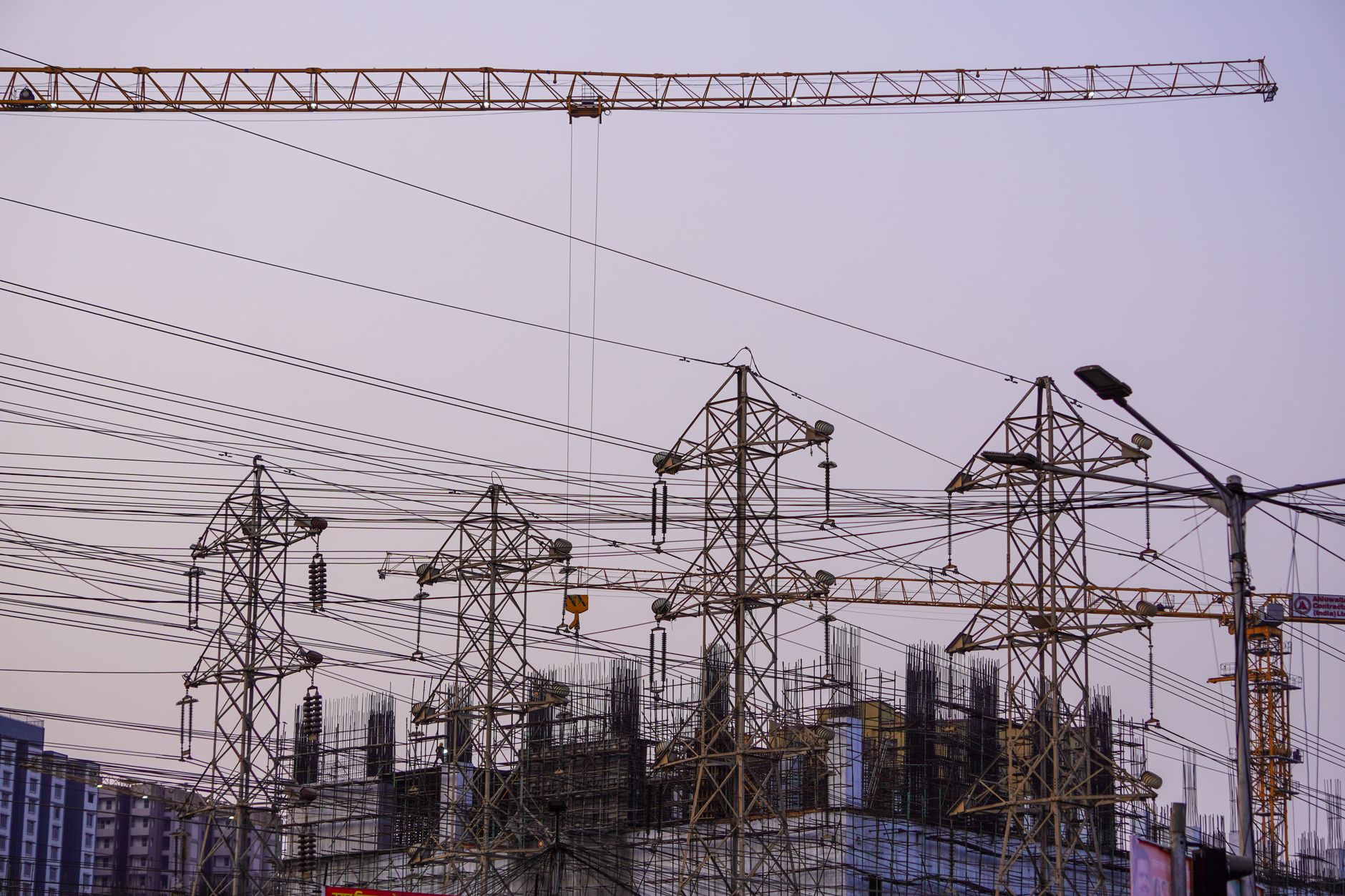
Australia’s AI ambitions are colliding with a hard physical limit: the electricity grid.
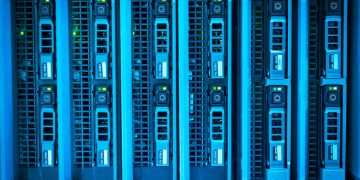
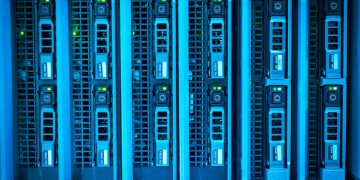
Behind every announcement of a new data centre or “AI factory” sits a question the marketing rarely mentions, which is where the power comes from. The Australian Energy Market Operator expects data-centre demand on the National Electricity Market to roughly triple to almost 12 terawatt-hours by 2030, with demand climbing to about 1.5 gigawatts in 2026 alone, up more than 38 per cent in a single year.
That is a large slab of new load to bolt onto a grid already managing the exit of coal, and the warnings about what happens if supply does not keep pace are becoming specific.
The price of getting it wrong
Analysis cited by the Climate Council found that if data-centre growth is not matched by new renewable generation and storage, wholesale electricity prices could rise by more than 20 per cent across the main grid by 2035, and by as much as 26 per cent in New South Wales and 23 per cent in Victoria. The blunt corollary is that without enough new clean supply, Australia may lean on coal for longer and burn more gas to keep the lights on, undercutting the emissions targets the same governments are chasing.
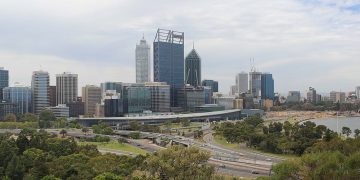
The scale of the build is what makes the timing urgent. Microsoft chief executive Satya Nadella marked a $25 billion, three-year commitment to Australian digital infrastructure, and local player Firmus Technologies has gone national with a plan worth up to $73.3 billion, promising 1.6 gigawatts of compute across five sites in Perth, Adelaide, Canberra and Sydney by 2028. Firmus says all of its Australian developments will be matched by renewable energy, and that its sites could underwrite up to 5.1 gigawatts of new wind, solar, storage and hydro.
The ‘additionality’ fight
That renewable promise is exactly where the argument gets sharp. Critics, including the Climate Council and Greenpeace, argue that too many operators claim green credentials while drawing from the existing grid, rather than funding genuinely additional new generation. If a data centre buys up clean power that would have been built anyway, the net effect can still be more fossil fuel burned elsewhere in the system.
It is why the grid has quietly become a front in the national AI debate. The Prime Minister’s new Office of AI lists energy among the policy areas its single national framework is meant to coordinate, and the tension between AI growth and Australia’s 2030 climate targets is one the framework will have to resolve rather than paper over.
Why it matters
For businesses planning AI investments, power is fast becoming the real constraint, ahead of chips or talent. The companies securing long-dated energy contracts and grid connections now, as Macquarie Technology and its peers are doing, are the ones that will have capacity to sell when demand peaks. For everyone else, the data-centre boom is likely to show up on the power bill before it shows up in the productivity figures.
Sources: Climate Council, Startup Daily, The Conversation and RenewEconomy.