

















































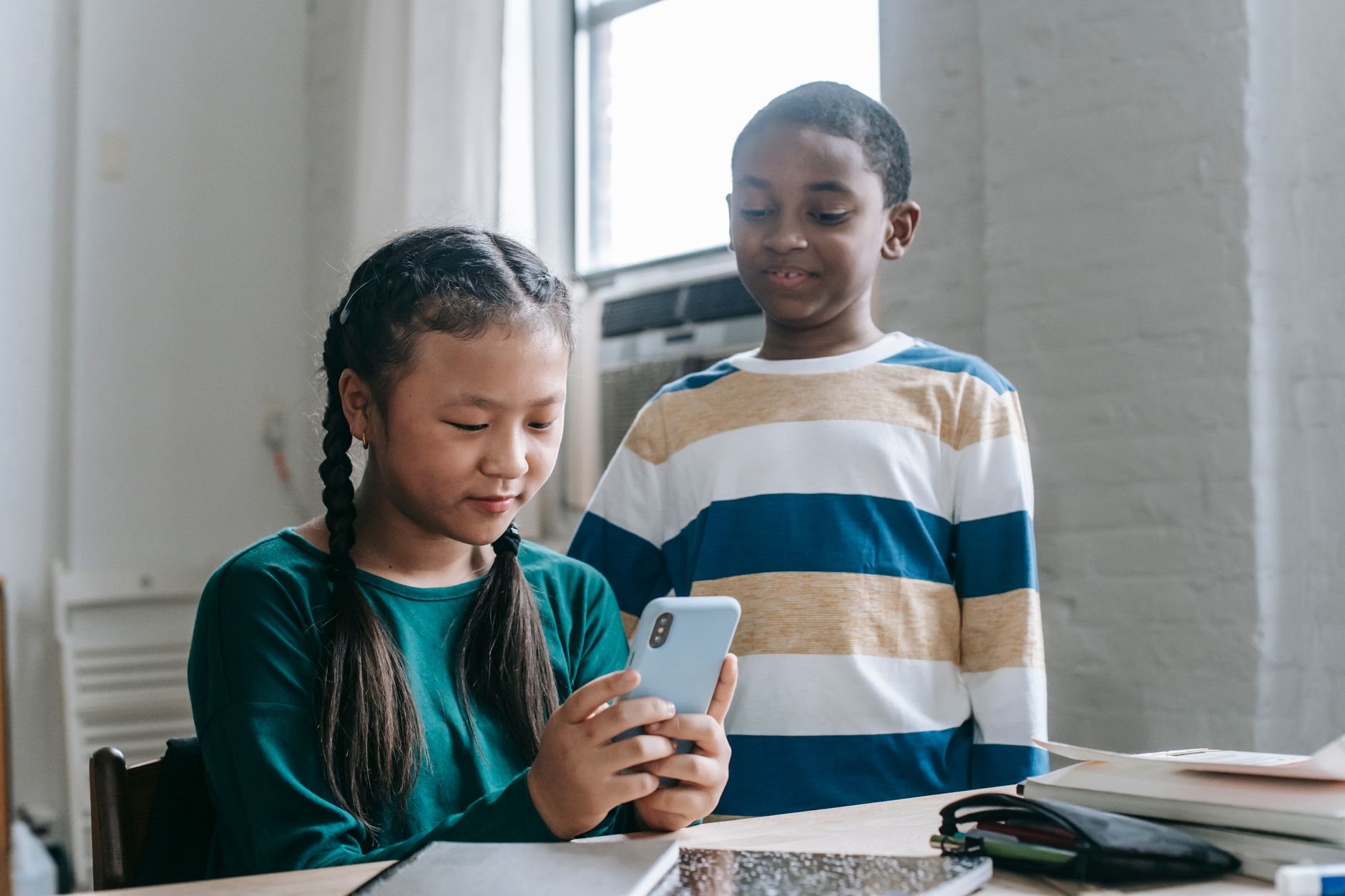
Australian parents have long worried about what their children encounter online. A new finding out of South Australia points to a quieter and more unsettling development: some young people are describing experiences of abuse to artificial intelligence chatbots before they say anything to a parent, a teacher or a trusted adult.
The observation, reported by InDaily South Australia, lands at a moment when conversational AI has moved from novelty to daily companion for a generation of children who have grown up with a device in hand. Where an earlier cohort might have typed a private worry into a search engine, many kids now hold something closer to a conversation, one that answers back, remembers context and never appears to judge.
Why children are talking to machines
Child development specialists have offered a fairly consistent explanation for why a chatbot can feel safer than a person. A bot is available at 2am. It will not react with shock, disappointment or panic. It does not know the child’s family, so there is no fear of a parent being told before the child is ready. For a young person carrying shame or fear about something that has happened to them, that combination can lower the barrier to speaking at all.
That dynamic is not new, helplines and anonymous text services have long relied on the same principle that distance can make disclosure easier. What is new is that the entity on the other side of an AI conversation is not a trained counsellor bound by professional obligations. It is a commercial product built to be engaging, and its responses are generated by a statistical model rather than a person with a duty of care.
The news, and why it matters
The South Australian finding does not suggest chatbots are causing harm to children in these cases. Rather, it flags that AI tools are increasingly the first place some children turn when something is wrong, and that raises a difficult question about what happens next. When a child discloses abuse to a human professional in Australia, a chain of legal and ethical responsibilities is triggered, including mandatory reporting obligations for teachers, health workers and others. When a child types the same words into a chatbot, no such chain necessarily exists.
That gap is the heart of the concern. A well-designed system might recognise distress, respond with care and point the child towards a real human service such as Kids Helpline. A poorly designed one might miss the signals entirely, respond inappropriately, or simply continue the conversation as though nothing significant had been said. There is no consistent standard across the many apps and assistants now in children’s hands.
Two views on the risk
Child-safety advocates tend to see the development as an early warning. Their argument is that if children are already treating AI as a confidant, then the responsible response is to make sure those systems are built to handle disclosures safely, with clear escalation to human help, rather than to pretend the behaviour is not happening. In this view, the technology is not going away, so the priority is harm reduction and design standards.
Researchers working on AI and young people, including teams across Australian universities and the CSIRO, have generally taken a more measured line. They caution against both alarmism and complacency. A chatbot that gently encourages a frightened child to reach out to a trusted adult could be a genuine bridge to help. But the same conversational warmth that makes a bot feel safe can also create false intimacy, and children may not understand that their words are being processed by a company, potentially stored, and not protected by the confidentiality they would expect from a counsellor. The nuance matters: the tool can be a doorway or a dead end depending on how it is built and governed.
The Australian stakes
For Australia, this is not an abstract international debate. The country has spent the past two years positioning itself as a relatively assertive regulator of online harms. The eSafety Commissioner has pushed platforms on child protection, and the federal government’s move to restrict social media access for under-16s has already forced a national conversation about how much responsibility technology companies bear for young users. AI chatbots sit awkwardly inside that framework. They are not obviously social media, not obviously search, and not obviously a health service, yet a child in distress may use one as all three at once.
The South Australian angle sharpens the point. Child protection is administered at the state level, and frontline services in Adelaide and across the state are already stretched. If a meaningful share of first disclosures is now happening inside consumer AI products, then state agencies, schools and families are being asked to respond to conversations they cannot see and were never party to. That has practical implications for training, for how teachers and counsellors talk to kids about their digital lives, and for whether Australia’s mandatory reporting regime needs to grapple with AI at all.
There is also a data and sovereignty dimension. Most of the large conversational models children use are operated by overseas companies, meaning some of the most sensitive disclosures a young Australian could make may be handled on infrastructure beyond Australian jurisdiction. That is precisely the kind of scenario that has driven local interest in home-grown, safety-first AI development.
What happens next
The immediate task is better evidence. A single finding, however striking, is a prompt for research rather than a settled conclusion, and expect Australian institutions to look harder at how often this is occurring and what children actually experience when they disclose to a bot. Beyond that, the pressure will build for clear expectations of AI developers: recognising crisis language, responding safely, and routing children to real human help such as Kids Helpline (1800 55 1800) or 000 in an emergency.
For parents, the uncomfortable lesson is that the question is no longer only “what is my child seeing online” but “who is my child confiding in”. For policymakers, it is whether Australia’s fast-moving online-safety agenda has kept pace with a technology that children have already folded into their emotional lives. The bots are listening. The open question is what the country does with what they hear.
Sources: InDaily South Australia.


