



















































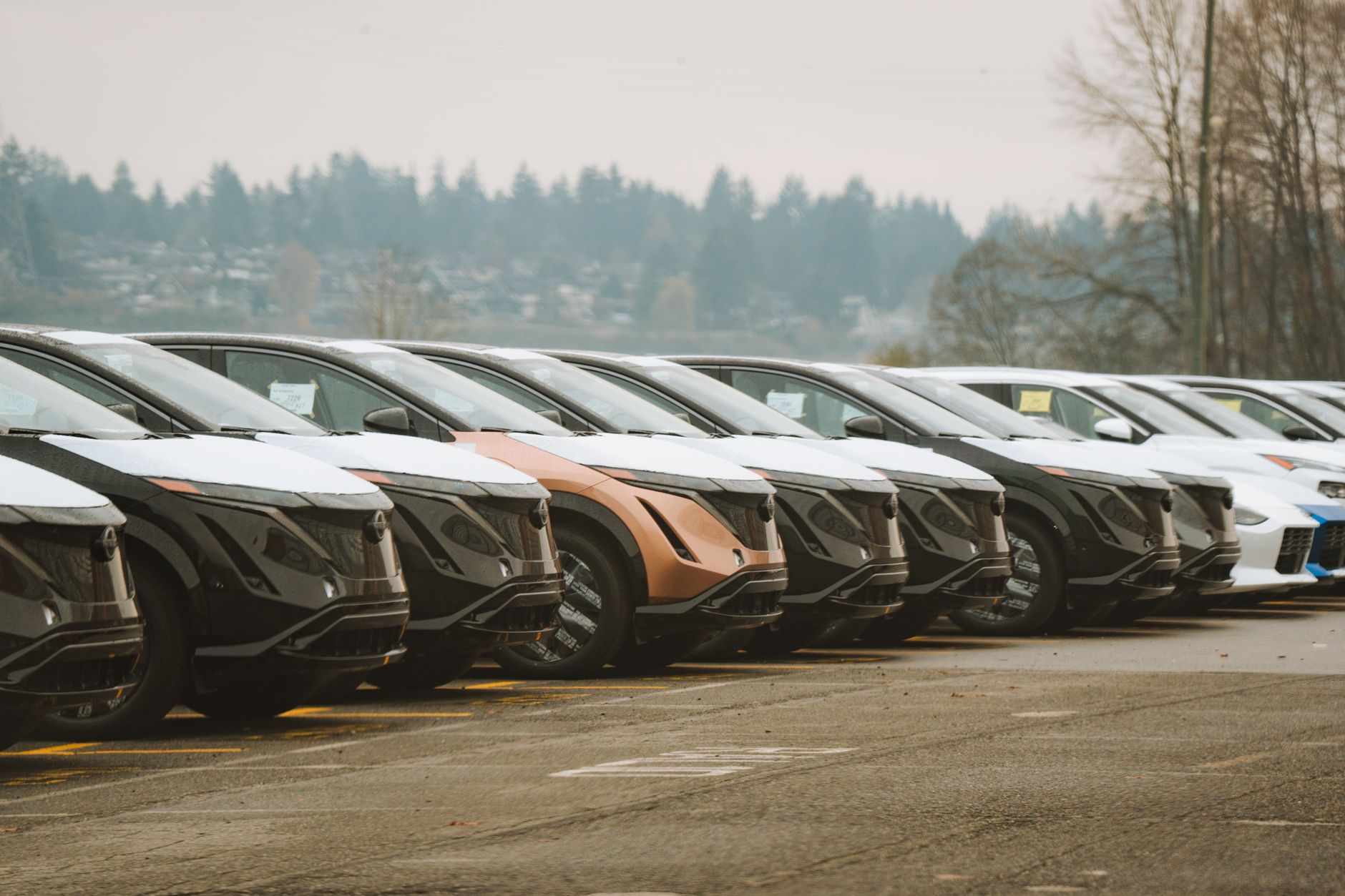
Australians who remember the frustration of ordering a new car during the pandemic, then waiting six months, nine months or longer for it to arrive, may be about to experience a familiar ache. The culprit this time is not a locked-down factory in Asia or a container ship wedged sideways in the Suez Canal. It is the same technology FluentSea writes about every day: artificial intelligence, and the ferocious appetite for silicon that comes with it.
Reporting from The Canberra Times has flagged a growing worry inside the automotive sector: that the global rush to build AI data centres is quietly draining the pool of semiconductors that carmakers rely on, and that new car wait times could climb again as a result.
How we got here
The modern car is a computer on wheels. A single new vehicle can carry well over a thousand chips, governing everything from the engine control unit and the braking system to the touchscreen, the reversing camera and the dozens of sensors that feed driver-assistance features. Many of these are not cutting-edge components. They are older, cheaper, mature-node chips, the workhorses of the industry, and that is precisely why the car sector has always been vulnerable when supply gets tight.
During 2021 and 2022, when COVID-era demand whipsawed and factories throttled output, the resulting chip famine left dealerships with empty forecourts and buyers staring at delivery estimates that stretched past a year. Popular models were effectively rationed. Second-hand prices surged to levels that made some three-year-old cars worth more than their original sticker. It took the best part of two years for inventories and lead times to settle back toward something resembling normal.
The new squeeze
What makes the current moment different is where the pressure is coming from. The build-out of AI infrastructure is enormous and accelerating, with hyperscalers and chip designers pouring capital into graphics processors, memory and the broader supply chain that feeds data centres. That demand does not only compete for the most advanced manufacturing. It ripples back through foundry capacity, packaging, testing and, critically, memory chips, where AI servers are swallowing supply and driving prices sharply higher.
Carmakers sit at the back of that queue. They buy in large volumes but at thin margins per chip, and they are less willing, and less able, to pay the premiums that AI buyers will absorb without blinking. When a foundry has to choose between a long-standing automotive order and a lucrative AI contract, the commercial logic increasingly favours the data centre. The concern among analysts is that this reordering of priorities, if it hardens, starts to translate into the same symptom buyers saw last time: longer waits.
Two ways to read it
There is a genuine debate about how severe this will get. One camp argues the risk is real but manageable. The car industry learned painful lessons from the last shortage and has since diversified suppliers, carried more buffer stock, redesigned some components to use more readily available chips, and in several cases signed direct agreements with chipmakers to lock in capacity. On this reading, wait times may tick up on certain models without returning to the chaos of the pandemic peak.
The more cautious camp points out that the AI spending cycle shows little sign of slowing, and that memory in particular is now a flashpoint. If AI demand keeps climbing while foundries funnel investment toward advanced nodes rather than the mature chips cars depend on, the mismatch could widen well into next year. In that scenario, the squeeze is not a short, sharp shock like last time but a slow grind that keeps lead times elevated for an extended period. The honest answer is that nobody yet knows which curve we are on.
What it means for Australia
Australia has no domestic car manufacturing to cushion the blow, which leaves the market almost entirely exposed to decisions made in Taiwan, South Korea, Japan, Germany and the United States. Every new vehicle sold here is imported, and the local new car market has been running hot, with well over a million sales a year and strong appetite for utes, SUVs and increasingly for electric and hybrid models. Those electrified vehicles are, if anything, more chip-intensive than their petrol equivalents, so a tightening in semiconductors tends to bite hardest at the parts of the market that are growing fastest.
For Australian buyers, the practical consequences are familiar. Longer order-to-delivery times on in-demand models, thinner discounting as dealers lose the leverage that comes with full lots, and renewed upward pressure on used car values as frustrated buyers look for something they can drive away today. Fleet operators and businesses that depend on timely vehicle turnover, from tradies to logistics firms, would feel it in their cash flow and planning. There is a policy dimension too, given the Federal Government’s push on the New Vehicle Efficiency Standard and its broader electric vehicle ambitions. Supply-chain delays that slow the arrival of low-emission models could blunt the pace of that transition just as it is meant to be gathering speed.
There is also a quieter irony worth sitting with. The same AI boom that Australian banks, miners, hospitals and startups are racing to harness is, at the margin, competing with ordinary households for the physical components of everyday life. It is a reminder that the AI story is not only about software and chatbots. It is about the scramble for silicon, electricity, water and skilled labour, and about the trade-offs that scramble forces on everyone else standing in the same supply lines.
What’s next
The signal to watch over the coming months is memory pricing and foundry capacity announcements, because those will tell us whether the automotive sector is genuinely being crowded out or merely jostled. Carmakers will be lobbying hard for priority allocation, and some may again pursue direct deals with chip suppliers to insulate themselves. For Australian buyers weighing a purchase, the sensible posture is neither panic nor complacency. If a particular model matters to you and the order books are already lengthening, locking in sooner rather than later may prove the prudent call. The pandemic taught this market that when chips get scarce, the people who waited to see what happened were usually the ones who waited longest for their car.
Sources: The Canberra Times.


