


















































For a small Australian medical technology company, a distribution deal with a global orthopaedics giant is the kind of arrangement that can define a growth story. So when investment research house Kalkine reported that the arrangement between CurveBeam AI and Stryker was coming to an end, it put a spotlight on how the ASX-listed imaging specialist plans to hold its ground in the United States without a marquee partner carrying its products.
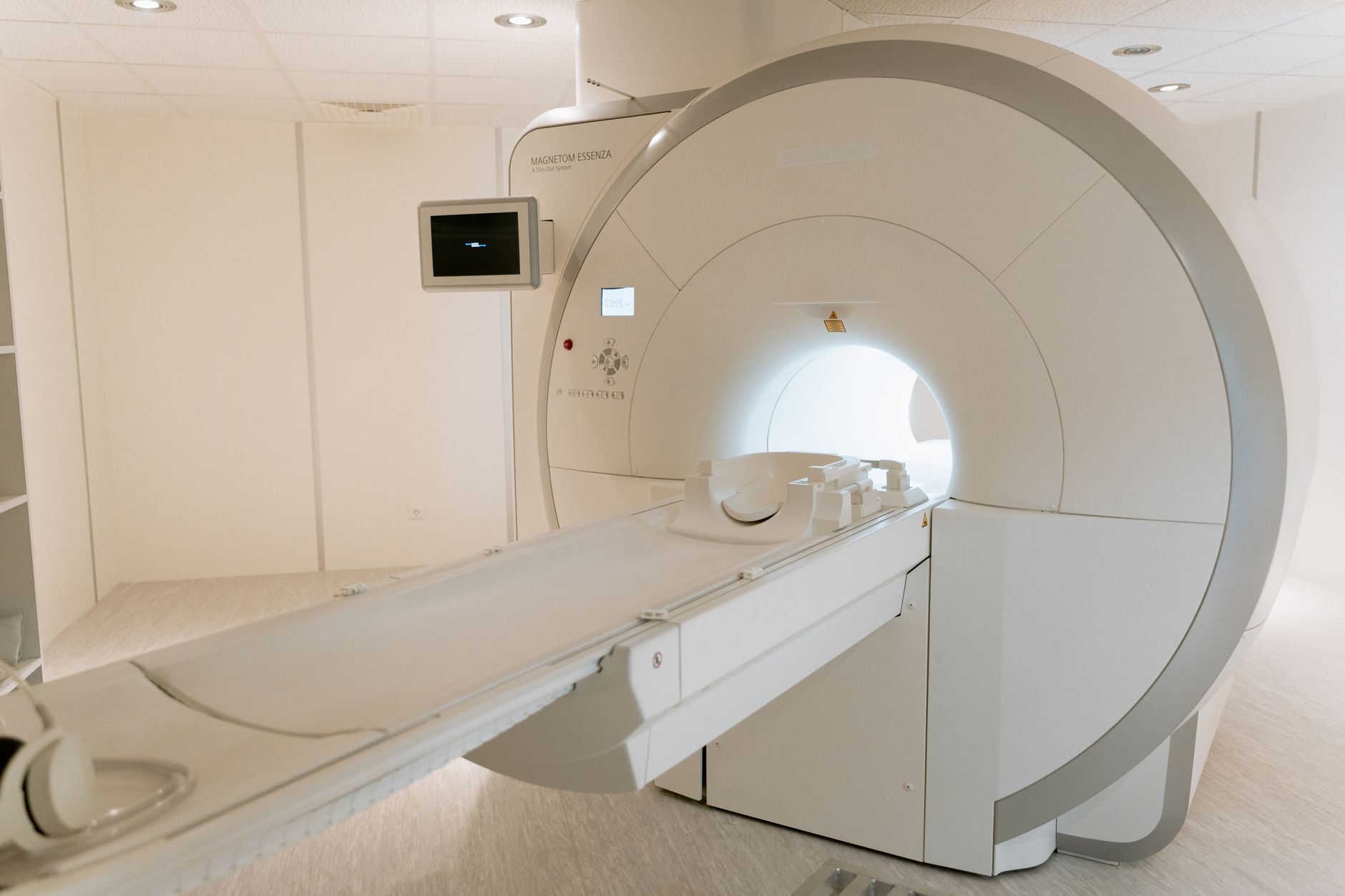
CurveBeam AI, which trades on the Australian Securities Exchange under the code CVB, is not a household name, but it occupies an interesting niche. The company designs and builds weight-bearing CT scanners, machines that image a patient’s feet, ankles, knees and other joints while they are standing and bearing load, rather than lying flat as they would in a conventional scan. The pitch is that a joint under real-world pressure tells orthopaedic surgeons far more than a static image, and the company layers artificial intelligence on top of that hardware to help clinicians measure and interpret what they are seeing. It is a genuinely Australian engineering story, with roots in Victoria and a manufacturing and research base that has steadily pushed into overseas markets.
What has actually changed
The substance of the news is straightforward even if the consequences are not. CurveBeam AI had an agreement under which Stryker, one of the largest medical device companies in the world, helped distribute its weight-bearing CT technology in the United States. That agreement is now winding down. For a company whose future hinges heavily on cracking the enormous American healthcare market, losing the reach and credibility of a partner like Stryker is not a trivial administrative footnote.
The United States matters disproportionately here. It is the single largest market for orthopaedic imaging, and American hospitals and specialist clinics have the budgets and the procedure volumes that make an expensive piece of capital equipment viable. A distribution partner with Stryker’s sales force, existing hospital relationships and brand trust can open doors that a smaller overseas manufacturer would struggle to reach on its own. Unwinding that relationship means CurveBeam AI has to think carefully about how it replaces that access, whether through its own direct sales team, a new partner, or some combination of the two.
Two ways to read it
There are, broadly, two lenses through which investors and the wider market can view this. The cautious reading is the obvious one. Losing a powerful distributor removes a ready-made channel, and rebuilding that reach takes time, money and management attention. For a company that is still scaling and still working towards consistent profitability, any disruption to US sales momentum is a risk worth taking seriously. The commentary around the stock has understandably focused on what the change means for near-term revenue visibility and how quickly the company can stand up an alternative.
The more optimistic reading is that going it alone is not necessarily a backward step. When a manufacturer sells through a large distributor, it typically gives away a slice of the margin and surrenders a degree of control over how its product is positioned, priced and supported. Selling direct, if executed well, lets a company keep more of the revenue from each machine, own the customer relationship outright, and build the kind of installed base and service income that tends to be stickier over the long run. For a business whose entire value proposition rests on specialised technology that it understands better than anyone else, there is a credible argument that owning the commercial relationship with surgeons and hospitals is where the durable value sits.
Neither reading is guaranteed to be right, and the truth will depend almost entirely on execution. A direct sales model in the US is expensive to build and slow to mature, and the gap between losing one channel and establishing another is exactly the period in which a small company is most exposed.
Why this matters for Australia
It would be easy to file this as a niche market story about a single small-cap, but it speaks to a broader pattern that keeps repeating across Australian technology. We are good at inventing clever, defensible products, whether that is medical imaging hardware, AI-assisted diagnostics or specialised software, and we are far less sure-footed when it comes to commercialising them at scale in the markets where the money actually is. The United States is both the great prize and the great trap for Australian innovators, offering enormous upside alongside the constant temptation to hand the keys to a bigger American partner in exchange for quick access.
CurveBeam AI’s situation is a live case study in that dilemma. If the company can demonstrate that an Australian manufacturer can sell sophisticated medical technology directly into American hospitals and make the economics work, it becomes a useful reference point for the many other local health-tech and AI firms weighing the same choice. If it stumbles, it reinforces the familiar worry that homegrown hardware and AI businesses are structurally dependent on foreign distribution and can be left stranded when a partnership ends. For an Australian investment community that has been pouring attention into AI-linked ASX names, how a company like this handles a channel shock is more instructive than another quarter of buzzword-heavy announcements.
What happens next
The practical questions now are about timing and substance. How long is the transition period, and does it give CurveBeam AI enough runway to stand up its own US presence? What does the cost base look like once the company is funding its own sales and support rather than leaning on a partner’s infrastructure? And crucially, does the installed base of scanners already placed in American facilities keep generating service and consumables revenue regardless of who sells the next machine?
Investors will be watching the company’s own disclosures closely for answers, particularly any guidance on US sales strategy, headcount and the financial impact of the change through the current financial year. For now, the honest position is that this is a meaningful inflection point rather than a verdict. CurveBeam AI has a differentiated product and a real market, but it is being handed the hard job of proving it can carry that product into its most important market on its own terms. How it navigates the next few reporting periods will tell the market whether the end of the Stryker arrangement was a setback or an overdue step towards controlling its own destiny.
Sources: Kalkine via GNews.