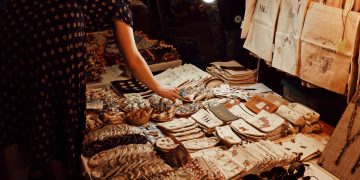













































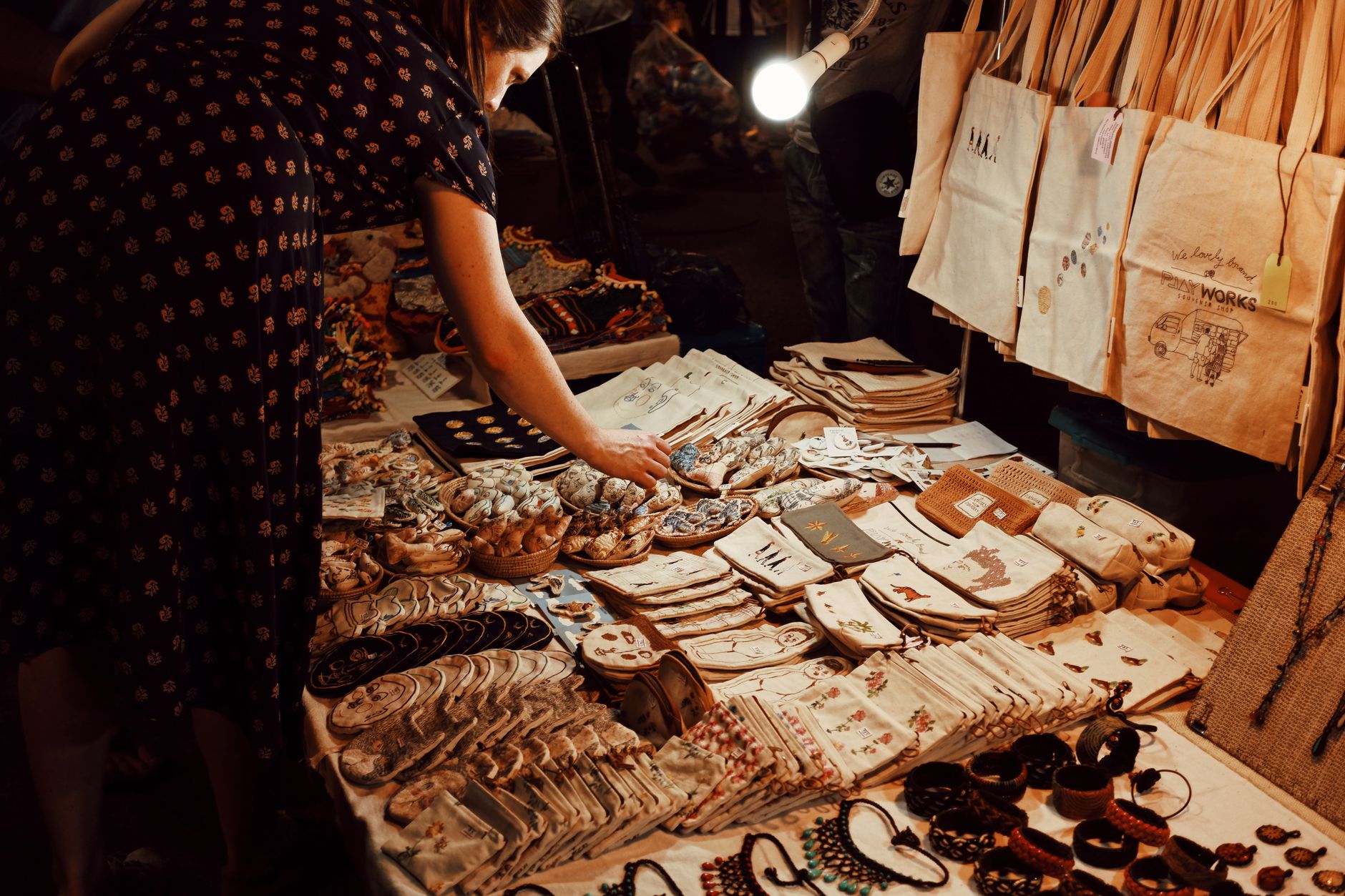
For years, the quiet promise of a weekend makers’ market has been simple enough: the person behind the trestle table made the thing you are buying. That compact between stallholder and shopper is now under strain from a new kind of competitor, the cheap, fast and faintly soulless flood of artificial intelligence generated art and mass-produced goods dressed up as artisan work. One market has decided to do something about it, and the response from the people who actually make things has been close to jubilant.
As Adelaide Now reports, the market has introduced a tough new rule aimed squarely at curbing what it sees as a slide towards low-effort, machine-churned stock. The sentiment behind the change was blunt. The spread of this material was described in the reporting as “appalling”, a word that captures the frustration of craftspeople who have watched genuinely handmade work sit beside items that were designed by a prompt, printed in bulk or shipped in from an overseas warehouse and simply relabelled.
What the rule actually does
The thrust of the policy is verification. Rather than taking a stallholder’s word that a candle, a print or a piece of jewellery is their own work, markets adopting this approach are asking sellers to prove it. That can mean demonstrating a process, showing works in progress, declaring where and how an item was produced, or submitting to a jurying step before a stall is granted. The intent is not to police technology for its own sake. It is to stop a specific bait and switch, where a shopper believes they are supporting a local maker and is instead buying a generic product with a handmade sticker on it.
This is a response to a genuine shift. Generative tools have made it trivial to produce passable artwork, patterns and designs in seconds, and online marketplaces have made it just as easy to drop-ship those designs onto mugs, tote bags and wall prints with no human hand near the result. At a physical market, that creates an uncomfortable asymmetry. The maker who spent a fortnight on a ceramic series is competing on price against a seller whose overheads are a subscription and a supplier link.
Two ways to read the crackdown
For makers, the appeal is obvious. A handmade-only rule protects the value of real craft and the premium that justifies it. If everything on the tables is verifiably made by the person selling it, the market itself becomes a trust mark, and shoppers can spend with confidence. Many artisans argue this is less about hostility to AI and more about honesty, the same reason a farmers’ market cares whether the tomatoes were actually grown by the grower.
The counterview is not that AI should get a free pass, but that enforcement is hard and the lines are blurry. Plenty of legitimate makers already use digital tools somewhere in their workflow, from designing a logo to editing product photos to drafting a pattern. A rule written too broadly risks catching the wrong people, turning volunteer market organisers into forensic investigators who must adjudicate how much machine assistance is too much. There is also a practical question of scale. Policing a few dozen stalls is manageable, but the same pressure is bearing down on sprawling online platforms where verification is far messier.
Why this matters in Australia
Australia’s handmade and creative economy is not a fringe hobby. It stretches from weekend markets in the suburbs to regional craft fairs, independent ceramicists, textile artists and the tens of thousands of local sellers who trade on platforms such as Etsy and its homegrown cousins. For many, these stalls and shopfronts are a primary or supplementary income, and the handmade premium is the whole business model. When that premium is undercut by AI-generated slop and cheap imports wearing a local costume, the damage is not abstract. It shows up in a maker’s takings at the end of a trading day.
The crackdown also lands in the middle of a much larger national conversation about AI, authenticity and consumer protection. Australian regulators and a recent parliamentary inquiry have been wrestling with how to handle AI-generated content, misleading claims and the rights of creators whose work is scraped to train these systems. A market enforcing a handmade-only rule is doing in microcosm what policymakers are debating at scale, deciding where the line sits between a useful tool and a deceptive shortcut. It is a reminder that trust, once it leaks out of a category, is expensive to refill, and that the first institutions to defend it are often the small, local ones with the most to lose.
There is a consumer angle too. Australian shoppers have shown they will pay more for provenance, whether that is ethically sourced coffee, locally grown produce or a one-off piece of art. The same instinct that powers the buy-local movement is what makes a handmade guarantee valuable. If markets can credibly promise that what you see is what a human actually made, they give shoppers a reason to keep turning up in person at a time when almost everything else can be bought, or faked, online.
What happens next
Expect more markets and craft fairs to watch this experiment closely, and some to follow. The hard part will be consistency, because a rule is only as good as its enforcement, and organisers will need clear definitions of what counts as handmade so that honest sellers who use digital tools are not swept up alongside the drop-shippers. The bigger test is whether the online platforms where most of this trade now happens adopt anything comparable, since a physical market can eyeball its stalls in a way a global marketplace cannot.
For now, the message from the makers is clear enough. They are not asking for AI to be banished from the world, only for the right to compete on an honest footing, and for shoppers to know what they are actually buying. A single market’s tough new rule will not settle the national debate about AI and authenticity, but it is a sharp local signal that the people who make things by hand are no longer willing to watch the machines quietly take their place.
Sources: Adelaide Now.