



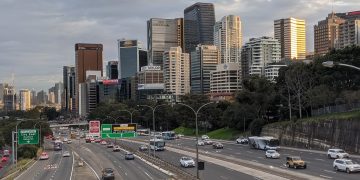




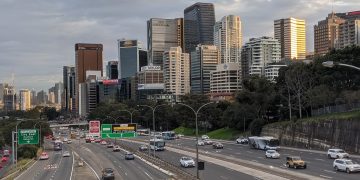







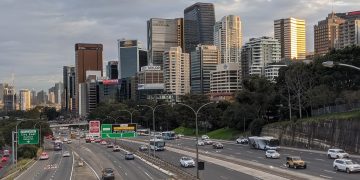

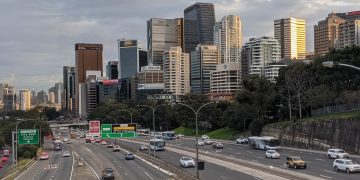
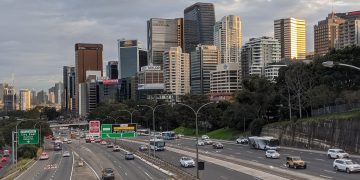

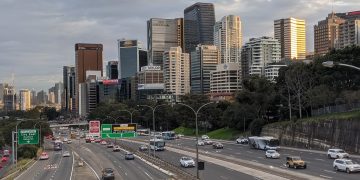










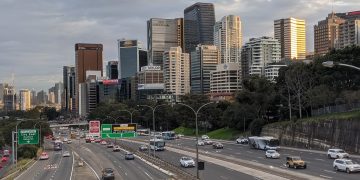


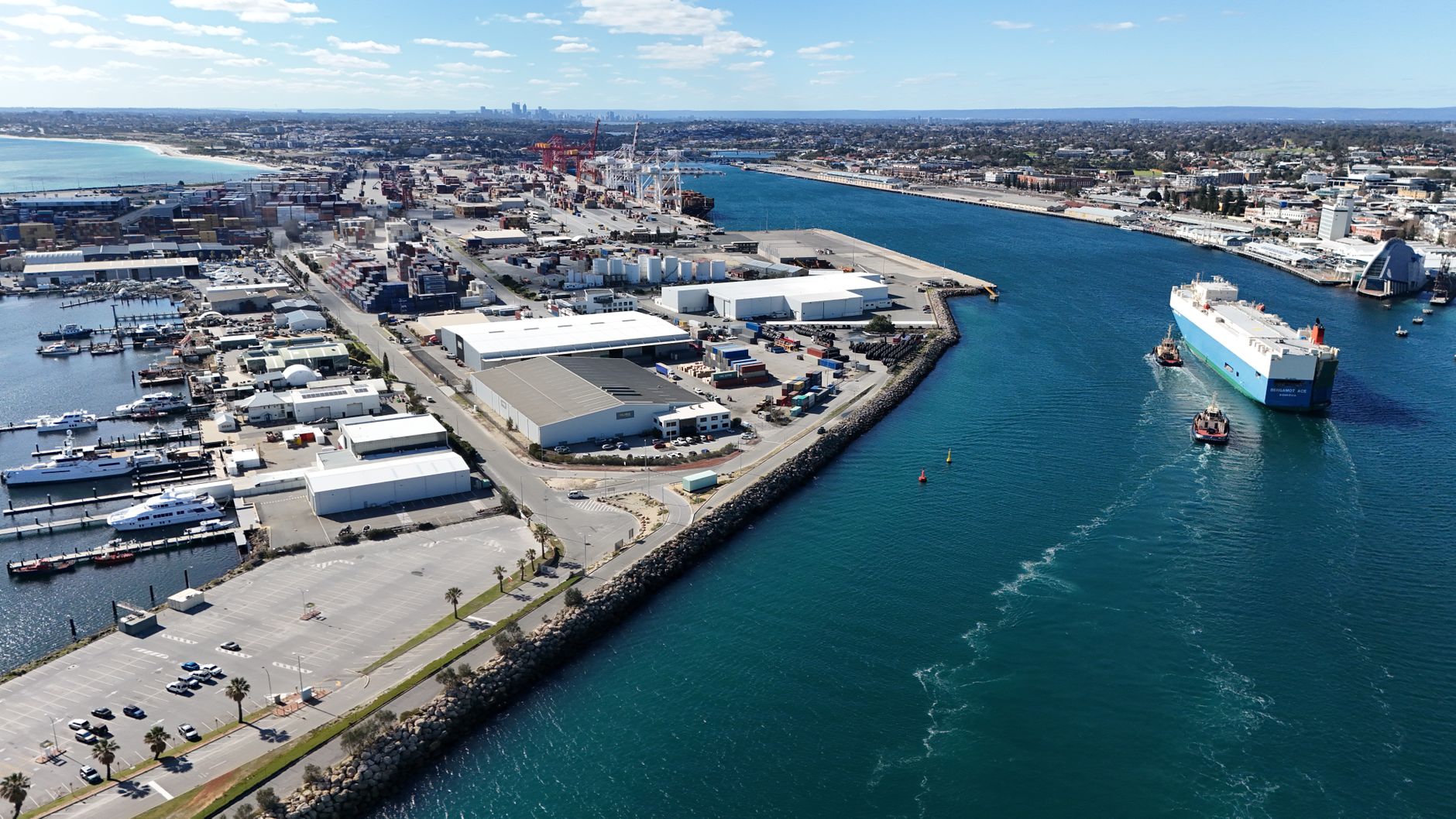
Adelaide has never had the gridlock reputation of Sydney or Melbourne, but anyone who has crawled along South Road at peak hour, or watched a delivery run blow out by half an hour, knows the city’s congestion is real and getting worse. Now the question being asked across the freight and transport sector is whether artificial intelligence can do something about it, and whether the savings in time and fuel would be worth the investment.
The prospect was put squarely by trucking industry outlet Fully Loaded, which asked whether AI can cut congestion and fuel costs in the South Australian capital. It is a pointed question for a publication read by fleet operators, because for them congestion is not an abstraction. It is idling engines, missed delivery windows, overtime, and diesel burned going nowhere.
The context: a freight city with a road problem
Adelaide sits at the centre of a national freight network. Goods moving between the eastern seaboard, the west and the Northern Territory pass through or near the city, and the local economy leans heavily on road transport for everything from supermarket restocking to construction. When traffic slows, the cost does not stay with the driver stuck in it. It flows through to the price of goods and the productivity of the businesses that depend on reliable delivery.
Fuel is the sharpest edge of that cost. Diesel remains one of the largest single line items for any road freight operator, and stop-start driving is among the least efficient ways to burn it. Cutting even a few minutes of idling per run, multiplied across a fleet and a year, adds up to a meaningful number. That is the promise being dangled by AI: not a futuristic self-driving fleet, but smarter management of the network and the vehicles already on it.
The news: what AI is actually being asked to do
In practical terms, the AI being talked about falls into a few buckets. The first is traffic signal optimisation, where machine learning models read live sensor and camera data to adjust light timing in real time, smoothing flow rather than running fixed cycles set decades ago. The second is dynamic route planning, where logistics software weighs traffic, roadworks, delivery deadlines and vehicle type to choose the least wasteful path, and reroutes on the fly when conditions change.
The third, and increasingly common in Australian fleets, is telematics and driver-behaviour analysis. Software that flags harsh braking, excessive idling and inefficient gear use can trim fuel consumption without any change to the roads at all. Layer these together and the pitch is compelling: less time in traffic, less fuel per kilometre, and better use of infrastructure the state has already paid for.
None of this is science fiction. Signal optimisation trials and AI-assisted logistics are already running in various forms across Australian cities. The open question for Adelaide is scale, coordination and whether the gains survive contact with the messy reality of a real road network.
Two views on whether it works
Advocates in the transport technology space argue the case is close to settled. Their view is that congestion is fundamentally an optimisation problem, and optimisation is exactly what AI does well. Every intersection that clears a few seconds faster, every truck that avoids a snarl it could not see coming, compounds into lower emissions and lower costs. For operators running thin margins, even single-digit percentage fuel savings can be the difference between a profitable run and a marginal one.
Sceptics counter that technology alone does not build road capacity. Their argument is that AI can smooth flow at the edges, but if the underlying network is at capacity, no algorithm changes the physics. There is also the well-documented risk of induced demand: make journeys quicker and more attractive, and more vehicles pile in until congestion returns to its old level. Add the cost of sensors, cameras, data infrastructure and the privacy questions that come with monitoring the movement of vehicles and people, and the business case gets more complicated than a glossy vendor slide suggests.
Both camps tend to agree on one thing: AI is a complement to good planning and investment, not a substitute for it. Software can wring more out of the network Adelaide has, but it will not conjure lanes that do not exist.
The Australian stakes
What happens in Adelaide matters well beyond South Australia, because the pressures are national. Australia’s freight task is forecast to keep growing for decades, driven by population and e-commerce, while road building is slow, expensive and politically fraught. Squeezing more efficiency out of existing infrastructure is not a nice-to-have. For governments facing tight budgets and congested corridors in every capital, it is one of the few levers available without a decade-long construction program attached.
There is also an emissions dimension. Transport is one of the country’s largest and fastest-growing sources of greenhouse gas emissions, and heavy vehicles are a stubborn part of that picture. Cutting fuel use through smarter routing and reduced idling delivers an emissions dividend alongside the cost saving, which aligns neatly with state and federal decarbonisation targets. For a sector where electrification of heavy trucks is still years from mainstream, efficiency gains from software are among the more immediate wins available.
Adelaide is arguably a sensible place to test the idea. It is large enough to have genuine congestion and a serious freight role, but compact enough that a coordinated rollout is more manageable than in a sprawling metropolis. If AI-assisted traffic and logistics can be shown to work here, the template becomes a lot easier to sell in Sydney, Melbourne, Brisbane and Perth.
What’s next
The realistic near-term path is incremental rather than dramatic. Expect more signal optimisation trials, wider fleet adoption of telematics as the payback becomes obvious, and logistics operators leaning harder on routing software that already sits on their drivers’ devices. The harder work is coordination: getting road authorities, freight operators and technology providers to share data and align systems so the pieces reinforce each other rather than working in isolation.
The honest answer to the headline question is a qualified yes. AI can cut congestion and fuel costs in Adelaide, at the margins and in specific applications, and those margins are worth chasing. What it cannot do is fix a structural capacity problem on its own, or substitute for the planning decisions that determine how a city moves. For fleet operators watching their diesel bills, though, marginal gains that show up every single week are exactly the kind worth having.
Sources: Fully Loaded (fullyloaded.com.au).