

















































Local government is where most Australians actually touch the state. It collects the bins, approves the granny flat, runs the library and fields the phone call when a footpath cracks. So when three of Adelaide’s larger councils decide to bring artificial intelligence into that machinery, the stakes are less about hype and more about the quiet plumbing of everyday civic life.
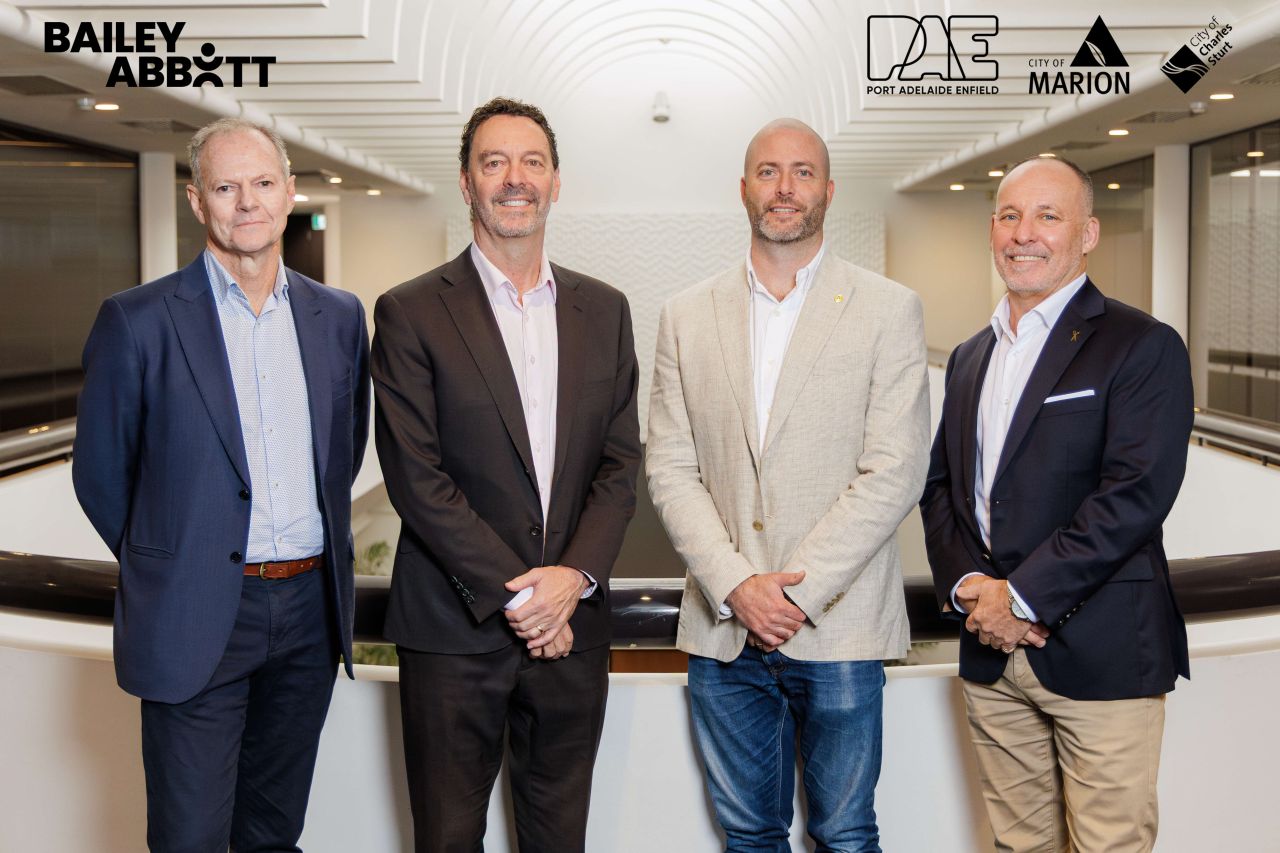
South Australian consultancy Bailey Abbott has been engaged by the Cities of Charles Sturt, Marion and Port Adelaide Enfield to do exactly that. Under a four-year, multi-million-dollar arrangement, the firm will help the three councils build a working understanding of AI and deliver solutions designed to lift their grasp of the technology rather than simply bolt it on. The deal was reported by ARN, and it stands out for its scale and duration in a sector that has, until recently, treated generative AI with a mix of curiosity and caution.
Three councils, one shared problem
The choice of partners is telling. Charles Sturt, Marion and Port Adelaide Enfield are all metropolitan councils in Adelaide’s western and southern arc, each serving well over a hundred thousand residents in Port Adelaide Enfield’s case and tens of thousands more across the others. They are big enough to feel the pressure of rising service demand and constrained budgets, yet not so large that they carry the deep in-house technology teams a state agency might.
That is the sweet spot Bailey Abbott appears to be aiming for. Rather than each council independently commissioning its own pilot, chasing its own vendor and repeating its own mistakes, the three are effectively pooling a problem. Working out where AI can safely and usefully sit inside council operations is expensive to learn once, let alone three times over. A shared four-year engagement spreads both the cost and the institutional knowledge, and it gives the councils a common vocabulary when they compare notes.
The language around the deal is deliberately measured. This is framed as helping the councils understand the technology and deepen their capability, not as a promise to automate the workforce or replace ratepayer-facing staff. That framing matters, because the gap between a flashy proof of concept and a system that reliably handles real council data is where most public-sector AI projects quietly stall.
What AI in a council actually looks like
Strip away the marketing and the practical opportunities for a council are fairly grounded. Development application processing is an obvious candidate, with officers spending significant time reading planning documents, checking them against zoning rules and drafting assessments. Customer contact centres are another, where a large share of calls and emails are repetitive questions about waste collection days, rates notices, hard rubbish bookings and pet registration. Asset management, from predicting which roads and stormwater assets will fail next to scheduling maintenance, is a third area where pattern-finding tools can earn their keep.
None of that requires anything exotic. It requires clean data, clear governance and staff who trust the output enough to act on it. That last point is where a consultancy earns its fee. A model that drafts a planning report is only useful if a qualified officer can quickly verify it, and a chatbot that answers rates questions is a liability the moment it invents an answer. The four-year horizon suggests Bailey Abbott and the councils understand this is a capability-building exercise, not a switch to be flicked.
Two ways to read the deal
Supporters of this kind of arrangement argue it is precisely how the public sector should be adopting AI: slowly, collaboratively and with an emphasis on understanding before deployment. On this view, a multi-year partnership beats a rushed pilot because it lets councils build internal literacy, set guardrails and scale only what actually works. The alternative, of individual officers quietly pasting resident data into consumer chatbots, is far riskier and already happening across the country.
The more sceptical reading is that multi-million-dollar, multi-year technology contracts have a long and uneven history in Australian government. Ratepayers are entitled to ask what measurable outcomes they are buying, how the spend will be reported, and whether the benefits will outrun the cost. Councils are also custodians of sensitive personal information, from planning objections to hardship applications, and any AI system touching that data invites hard questions about privacy, transparency and the risk of automated decisions that residents cannot easily challenge. Both readings can be true at once, and the difference between them will come down to execution.
The Australian stakes
This is a local story with national resonance. There are more than 500 councils across Australia, and almost all of them are wrestling with the same tension: growing expectations, flat or shrinking real budgets, and a workforce stretched thin. AI is being pitched everywhere as the answer, yet very few councils have the money, the data maturity or the confidence to move beyond experimentation.
South Australia has been trying to position itself as a serious player in this space, with the state government talking up AI and advanced technology as economic priorities and Adelaide building a reputation in defence, space and cyber. A visible, well-scoped rollout across three metropolitan councils gives other Australian local governments a live case study to watch. If Charles Sturt, Marion and Port Adelaide Enfield can show real service improvements without a privacy misstep or a budget blowout, expect similar consortium-style deals to appear in Melbourne’s growth corridors, south-east Queensland and outer Sydney. If it stumbles publicly, it will harden the caution that already runs through council chambers.
There is also a question of who captures the value. Bailey Abbott is a South Australian firm, which means the money and the expertise stay largely within the state rather than flowing to a global consultancy or an offshore vendor. For a state keen to grow local technology jobs, that matters as much as the software itself.
What happens next
The immediate work will be unglamorous and important: mapping where the councils’ data lives, deciding which use cases are worth pursuing first, and setting the governance rules that will decide what AI is and is not allowed to touch. The interesting milestones will come later, when residents start to notice faster responses, shorter queues or quicker approvals without ever knowing a model was involved.
The real test is not whether these councils deploy AI, but whether they can explain to their ratepayers what it does, what it costs and what safeguards sit around it. Four years is long enough to get that right, and long enough to get it badly wrong. For the rest of Australia’s local government sector, Adelaide’s western and southern councils have just become worth watching closely.
Sources: ARN


