



















































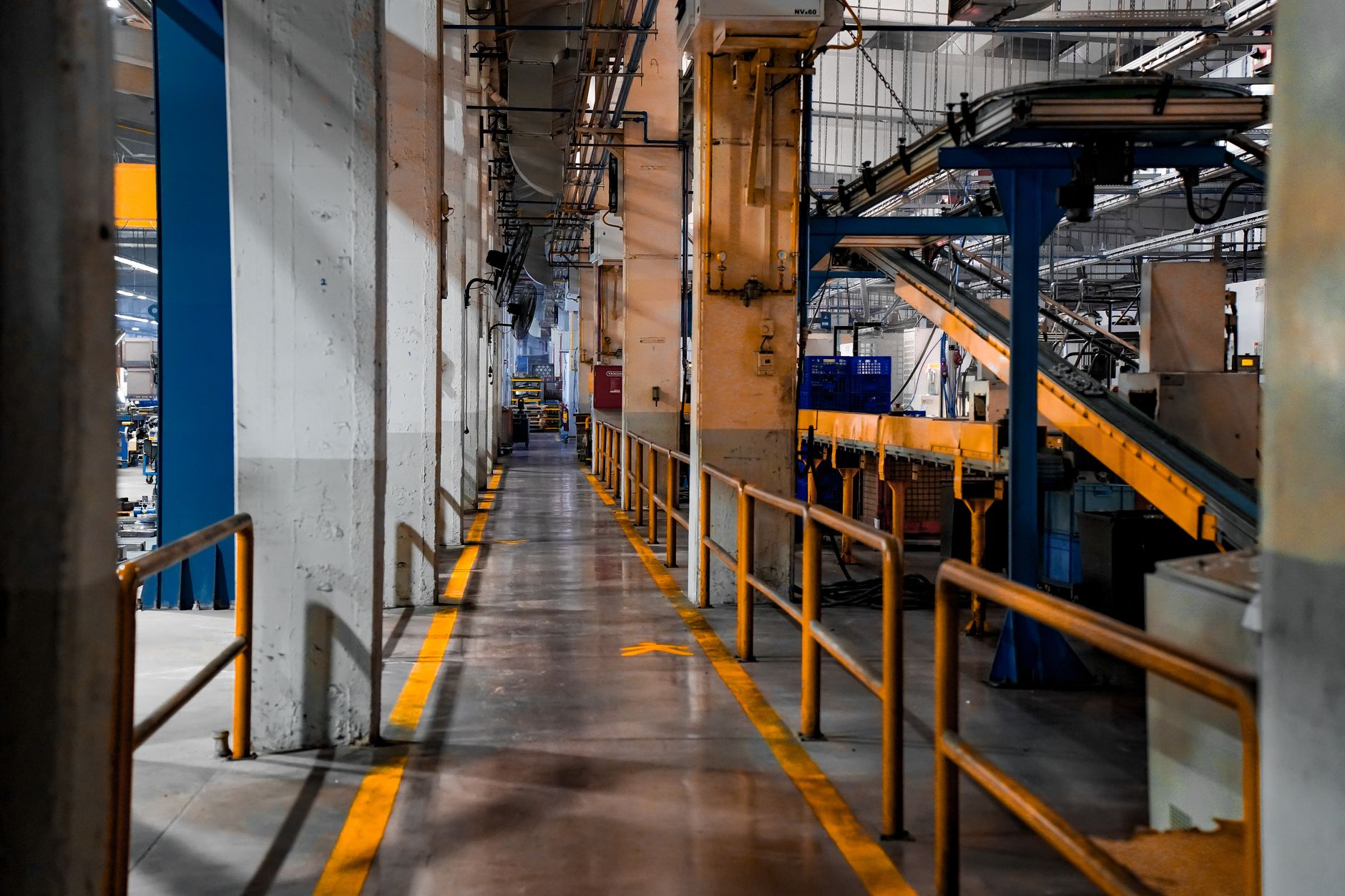
For most of the past decade, the conversation about artificial intelligence in retail has centred on the shop window: recommendation engines, chatbots, personalised emails and smarter advertising. The quieter shift now underway is happening on the other side of the transaction. Customers are starting to let AI do the actual shopping, asking assistants to compare products, check availability and, increasingly, complete the purchase. That changes the stakes for the least glamorous part of any retail business, the warehouse and the dispatch desk.
A new piece from trade publication Inside Retail makes the argument bluntly: if your customers are using AI to shop, your fulfilment needs to keep pace. The outlet points to a handful of straightforward ways merchants can automate dispatch and order handling ahead of the busiest trading weeks of the year, when a single bottleneck can turn a surge in demand into a wave of refunds and bad reviews. The framing matters because it reverses the usual order of priorities. Marketing teams have poured budget into being discoverable by AI tools, yet the back office that has to honour those orders has often been left running on spreadsheets and goodwill.
Why the back office suddenly matters
The logic is simple enough. When a human browses a website, they forgive a lot. They will wait for a page to load, tolerate a clumsy checkout and give a brand the benefit of the doubt on delivery times. An AI assistant acting on a shopper’s behalf is far less sentimental. If it is comparing three retailers and one cannot confirm stock, cannot quote a dispatch window or returns an error at checkout, the machine simply moves on to the next option. The sale is lost before a person ever sees it. In that world, accurate inventory data, fast order confirmation and reliable dispatch stop being operational niceties and become the things that decide whether you are even in the running.
This is where the peak season timing becomes pointed. Australia’s trading calendar now front-loads an enormous share of annual sales into the stretch from Black Friday through to the post-Christmas run. The National Retail Association and the Australian Retailers Association have both repeatedly flagged the November to December window as the make-or-break period for discretionary spending, and the volumes involved leave little room for manual error. A fulfilment process that copes comfortably in April can buckle under a December spike, and the retailers most exposed are the small and mid-sized operators who cannot simply throw extra casual staff at the problem.
Two ways of reading the advice
There are competing views on how urgently merchants should act. The optimistic reading, and the one the trade coverage leans towards, is that automation here is low-risk and high-return. Connecting an online store to a warehouse management system, automating pick lists, syncing inventory across channels in real time and triggering carrier labels without human re-keying are all mature, affordable technologies. The gains are immediate: fewer oversold items, faster dispatch and staff freed from repetitive data entry to deal with the exceptions that genuinely need a human. For a business trying to look credible to an AI shopping agent, those are exactly the signals that keep it in contention.
The more cautious view is that automation is not a magic fix, and that bolting software onto a broken process simply makes the mistakes happen faster. Supply chain specialists have long warned that automating a warehouse with poor master data, inaccurate stock counts or unreliable supplier feeds can entrench errors rather than remove them. There is also a cost and complexity question for smaller retailers, who may lack the technical staff to integrate systems cleanly and can find themselves locked into platforms that are hard to leave. The honest position sits between the two: the tooling is genuinely accessible, but it rewards businesses that have first done the unglamorous work of getting their data and their processes in order.
What it means for Australian retailers
For Australian merchants the pressure is sharpened by geography and by the shape of the market. Long domestic distances and a population clustered on the coasts make delivery promises harder to keep than they are in denser markets, and shoppers here have grown used to the fast, free shipping that global giants have normalised. When an AI assistant weighs a local retailer against an overseas marketplace, the local player’s advantage is often speed and certainty of supply, precisely the attributes that collapse if fulfilment is slow or opaque. Automating the dispatch chain is, in that sense, a way of defending the home-ground advantage rather than chasing a novelty.
There is a competitive-fairness angle too. The largest Australian retailers, the Wesfarmers and Woolworths-scale operators, already run sophisticated, heavily automated distribution networks and have the budgets to make their catalogues legible to AI tools. The risk is that agentic shopping widens the gap, rewarding the businesses that are already well-resourced and quietly penalising the independents whose stock data is messy or whose dispatch still depends on one person and a label printer. Making fulfilment automation cheap and standardised is one of the few levers that could keep smaller merchants in the game as more buying decisions are handed to software.
It also raises questions that sit beyond any single retailer. If AI assistants become significant intermediaries between shoppers and stores, the data they rely on, product feeds, availability, delivery estimates, becomes critical commercial infrastructure. Who sets the standards for that data, and whether local retailers have a fair shot at being represented accurately, are policy conversations Australia has barely begun to have, even as the technology moves into consumers’ hands.
What is next
In the near term, the practical takeaway for retailers is unglamorous and immediate: treat the weeks before peak season as the deadline for getting inventory accuracy, order automation and dispatch reliability into shape, not as a project for the new year. The merchants who do that will not just move parcels faster; they will present cleaner, more trustworthy signals to the AI tools increasingly deciding where a sale lands. Over the longer term, expect the definition of a competitive storefront to keep shifting away from the look of a website and towards the reliability of the machinery behind it. The front end has spent a decade getting prettier. The next contest will be won in the warehouse.
Sources: Inside Retail.


