



















































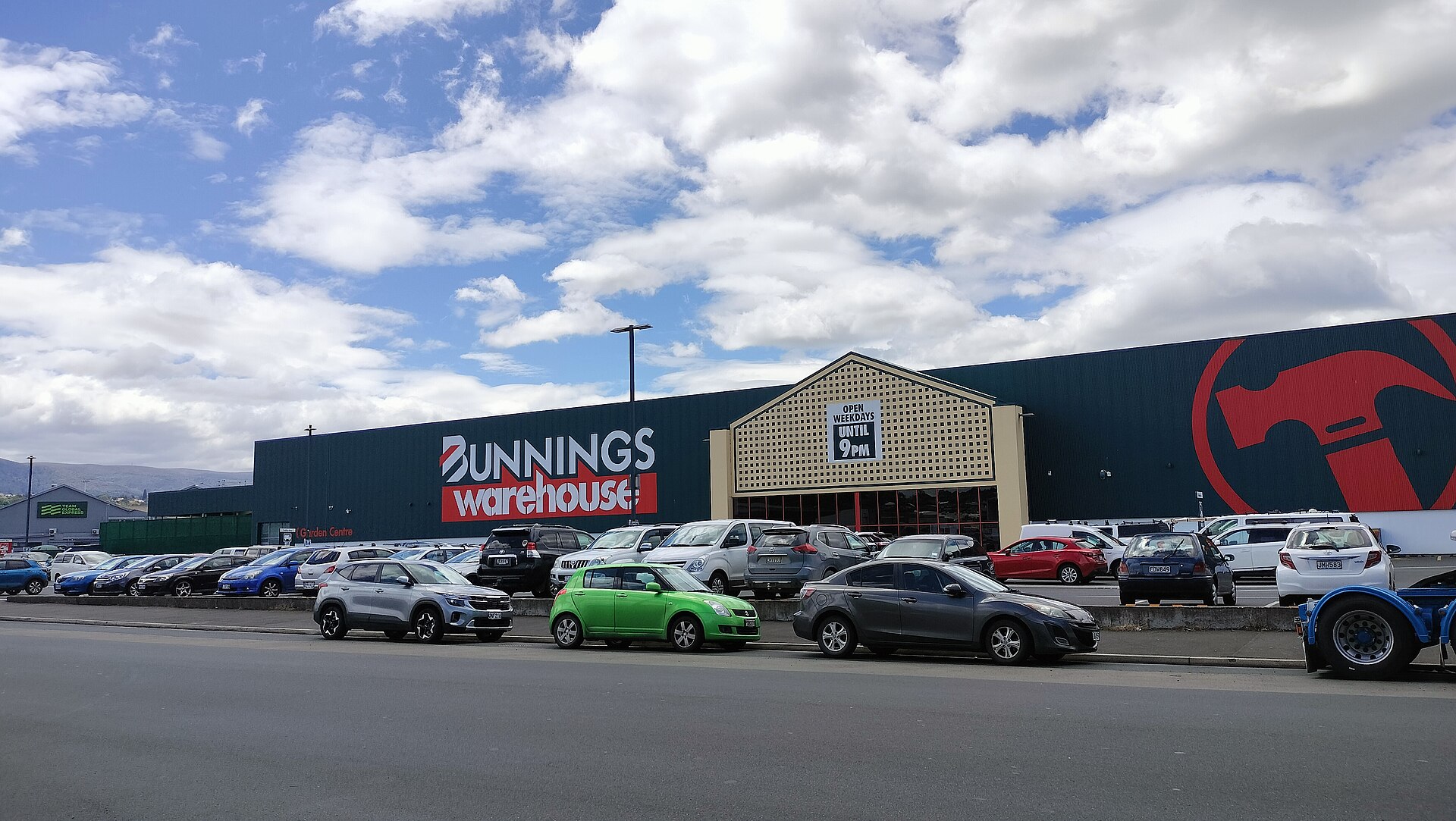
One of Australia’s most recognisable retailers is becoming the latest big employer to tie job cuts to artificial intelligence. Bunnings, the Wesfarmers-owned hardware chain that anchors suburban shopping precincts from Perth to Cairns, is reportedly cutting around 350 roles as it shifts some functions overseas and hands others to automation. The decision lands at a sensitive moment, with Australian workers and policymakers already uneasy about how quickly AI is reshaping white-collar and support jobs.
According to The Daily Advertiser, the cuts fall across back-office and support functions rather than the shop floor, with a mix of roles moved offshore and others absorbed by newer technology. For a company that trades heavily on its local credentials and its community-store image, the optics of sending work overseas while introducing AI are awkward, and they feed directly into a national conversation that has been building all year.
The context
Bunnings is not operating in a vacuum. Across corporate Australia, finance teams, contact centres, procurement units and other support functions have become the first testing ground for generative AI, which can draft documents, summarise data, answer routine queries and handle repetitive processing that once required a desk and a salary. The same tools that make a small business more productive also make large head-office teams look expensive, and boards are increasingly asking whether every role can be justified when software can take on the dull end of the workload.
Offshoring is the older half of this story. Australian companies have sent back-office work to lower-cost locations for decades, and the practice never really went away. What is new is the way AI and offshoring now travel together. A task that is simplified and standardised by automation becomes much easier to send abroad, and a task that is sent abroad is often the first candidate for further automation once it is out of local sight. For workers, the distinction between losing a job to a machine and losing it to an overseas team can feel academic. Either way, the role disappears from the Australian payroll.
Two ways to read it
From the company’s side, the logic is about cost discipline and competitiveness. Retail margins are thin, interest rates have squeezed household spending, and Wesfarmers answers to shareholders who expect it to run a lean operation. Executives tend to frame these decisions as reshaping rather than shrinking, arguing that automating low-value tasks frees people and capital for customer-facing work and new growth areas. Bunnings managing director Mike Schneider has long positioned the business as one that invests in its team and its stores, which makes any reduction in head-office roles a test of how that message holds up when efficiency and employment pull in different directions.
From the workers’ side, the picture is less reassuring. Unions and employee advocates have warned for months that AI is being used as a convenient justification for decisions that are really about cost, and that staff are often told very little about how the technology will be applied to their roles. The concern is not only the immediate 350 positions but the precedent. If one of the country’s largest and most profitable retailers can move support work offshore and lean on automation without serious friction, other employers will feel emboldened to follow, and the cumulative effect on Australian office employment could be significant even if no single announcement looks dramatic on its own.
What it means for Australia
The Bunnings decision matters beyond the people directly affected because it signals where the risk is concentrating. The jobs most exposed to this wave are not the high-visibility trades or the store assistants who help a customer find the right drill bit. They are the administrative, analytical and processing roles that have quietly underpinned big Australian businesses, the sort of steady office work that has historically offered a path into the middle class without a university degree. When those roles are automated or offshored, the ladder gets shorter.
Policymakers have been circling this issue. The federal government has spoken repeatedly about wanting a “safer” and more productive AI rollout, and regulators have flagged AI-related consumer and workforce harms as a priority. Yet Australia still has no settled framework governing how companies disclose AI-driven restructures, retrain displaced staff or weigh the public interest of keeping skilled work onshore. Decisions like this one expose that gap. A large employer can reshape its workforce around new technology with little obligation to explain how it reached the number, how it chose which roles to cut or what support displaced workers will receive.
There is also a skills dimension. Much of the national debate has focused on training Australians to build and use AI, and on the shortage of people who can do that work. The Bunnings move is a reminder that the other side of the equation, helping workers whose roles are automated or exported move into durable careers, is just as urgent and far less developed. Reskilling schemes and TAFE pathways only help if they exist at the pace that the cuts are arriving.
What is next
The immediate questions are practical. How many of the 350 roles are genuinely redundant versus relocated, how will affected staff be supported, and whether the SDA and other unions push for consultation or redeployment commitments. Investors will watch whether the savings translate into the kind of efficiency gains Wesfarmers is promising, and whether customer service holds up once support functions are reshaped. The broader question is political. Each announcement like this builds pressure on Canberra to decide whether the current hands-off approach is enough, or whether Australia needs clearer rules on AI-driven job changes before the next large employer reaches the same conclusion.
For now, Bunnings has set a marker. A business synonymous with the Australian weekend, the sausage sizzle and the local store is also, quietly, becoming a case study in how AI and offshoring are redrawing the national jobs map.
Sources: The Daily Advertiser.


