



















































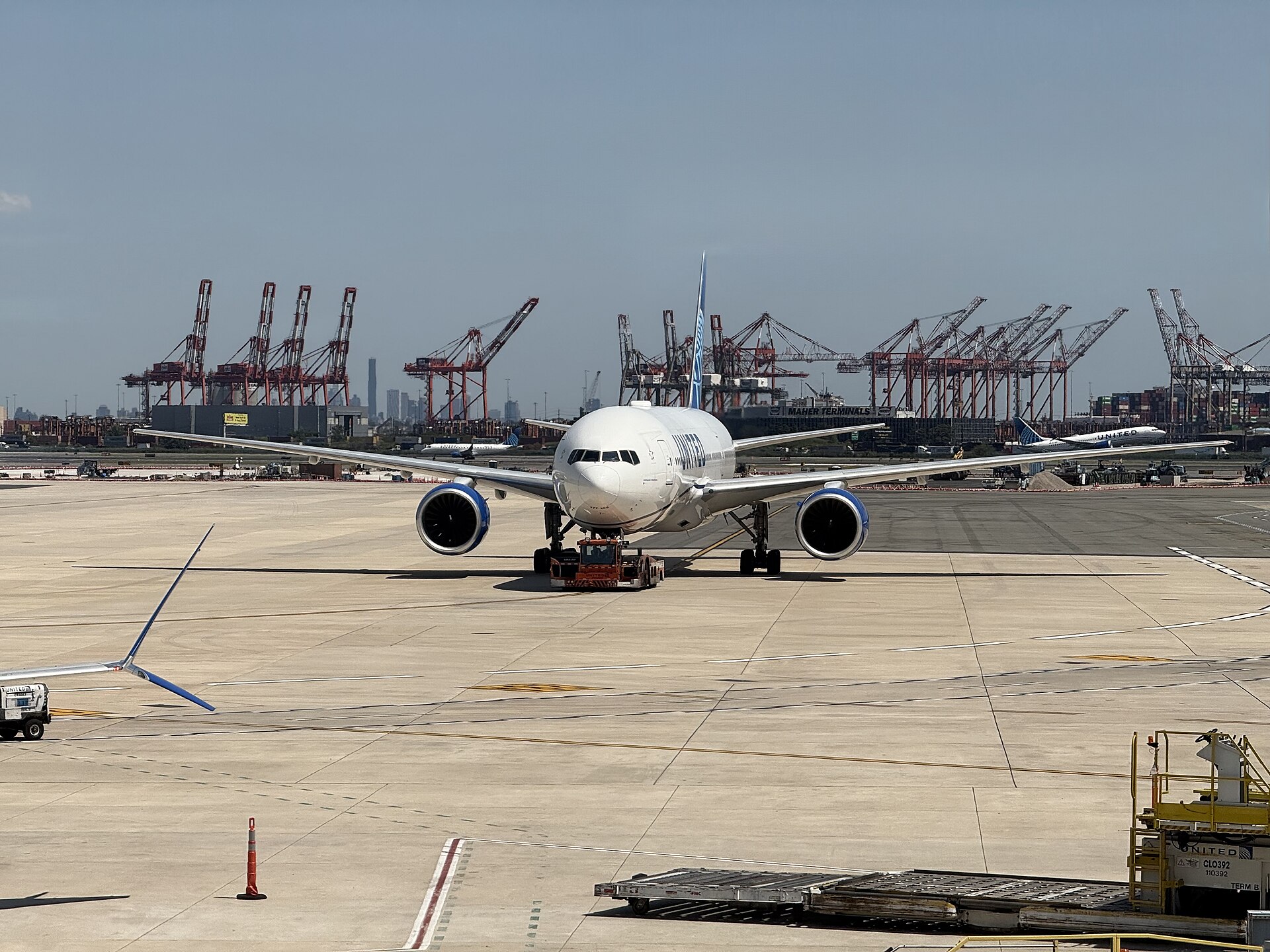
Every modern airline is really a technology company that happens to own aeroplanes. Schedules, crew rosters, baggage, check-in, loyalty programs and the apps that passengers stare at while they queue all run on sprawling software, and when any part of that stack falters the consequences spill across terminals within minutes. That reality is why United Airlines, one of the largest carriers in the United States, has been unusually candid about how it prepares for the moment its systems go dark.
In a discussion published by the WSJ Leadership Institute, United’s technology leadership walked through the operational discipline behind keeping an airline moving through outages, and where artificial intelligence now sits in that picture. The through-line is simple to state and hard to execute: resilience is not a product you buy once, it is a habit you practise constantly.
Why outages are an airline’s nightmare
Aviation is the industry where software failure is most visible to the public. A banking glitch frustrates people quietly on their phones. An airline outage strands thousands of travellers in full view, with camera crews already in the terminal. The July 2024 CrowdStrike incident, in which a faulty security update knocked out millions of Windows machines worldwide, became the defining case study. Carriers that could not quickly isolate the damage spent days rebuilding their schedules, and the financial and reputational bill ran into the hundreds of millions of dollars for the worst affected.
United’s argument, in essence, is that the winners in a crisis are decided long before the crisis arrives. The company has invested in the unglamorous work of knowing exactly which systems depend on which, so that when one component fails, engineers can wall it off rather than watch the fault cascade. That involves rehearsed recovery procedures, clear decision rights about who can ground or resume operations, and communication channels that keep staff and passengers informed even when the main tools are down.
The role of leadership here is cultural as much as technical. According to the WSJ Leadership Institute piece, the emphasis is on building teams that stay calm and act decisively under pressure, because the gap between a two-hour disruption and a two-day meltdown often comes down to how quickly people make the first few calls.
Where AI helps, and where it does not
United’s view of AI is pragmatic rather than evangelical. The technology is being used to smooth the parts of the operation that benefit from speed and pattern recognition: predicting disruptions before they bite, helping re-book passengers when flights fall over, drafting communications, and giving customer-facing staff faster answers. The airline has publicly promoted tools that summarise disruption information for travellers, a small example of AI doing useful work at the edges of a very human business.
The caution is just as important. Running an airline is a safety-critical activity governed by hard regulation, and the leaders are clear that automation does not remove the need for human judgement, especially during the chaos of an outage. AI that hallucinates a wrong answer is a nuisance in a marketing email and a serious problem in an operations centre. The sensible position, and the one United describes, is to let AI accelerate the people doing the work rather than replace the accountability that sits with them.
That tension is the real story for business leaders everywhere. The pressure to deploy AI quickly is colliding with the equally urgent need to make core systems more resilient, and the two goals are not automatically aligned. Bolting generative tools onto fragile infrastructure can widen the attack surface and add new failure modes. The airline example suggests the order of operations matters: get the foundations stable, then let AI do more.
What it means for Australia
Australians felt the CrowdStrike outage acutely. Checkouts, media outlets, banks and airports went down on the same Friday afternoon, and the queues at Sydney and Melbourne airports made the fragility of our digital backbone impossible to ignore. Qantas and Virgin Australia both deal with the same dependency on complex, interconnected systems that United is describing, and both have been pushing their own AI projects across customer service, maintenance planning and operations.
Qantas has had a particularly bruising run on the technology front, including a significant data breach in 2025 that exposed customer records, a reminder that resilience is not only about keeping the lights on but about keeping data safe when third-party systems are involved. For local carriers, United’s playbook reads as a useful benchmark: map your dependencies, rehearse your recovery, and treat AI as a force multiplier for trained staff rather than a substitute for them.
The lesson travels well beyond aviation. Australian banks, supermarkets, health providers and government agencies are all racing to add AI while running on infrastructure that was never designed for today’s load. Regulators have noticed. The Australian Prudential Regulation Authority has sharpened its focus on operational resilience and third-party risk, and the federal government‘s work on critical infrastructure security is pushing boards to treat a major outage as a when, not an if. The practical takeaway for an Australian executive is that spending on AI and spending on resilience should be argued for together, not traded off against each other.
What is next
Expect more large organisations to publish this kind of candid account, partly because transparency about resilience has become a competitive signal to customers and investors. The harder work is internal. Boards will want evidence that recovery plans are rehearsed rather than filed away, and that every new AI deployment has been stress-tested against the question United keeps returning to: what happens when this breaks?
For Australian firms, the honest answer to that question is still a work in progress. The carriers, banks and agencies that treat an outage as a design assumption, and that deploy AI to support rather than obscure human decisions, will be the ones that keep operating when the next bad Friday arrives. United’s message is that none of this is luck. It is preparation, practised until it becomes routine.


