

















































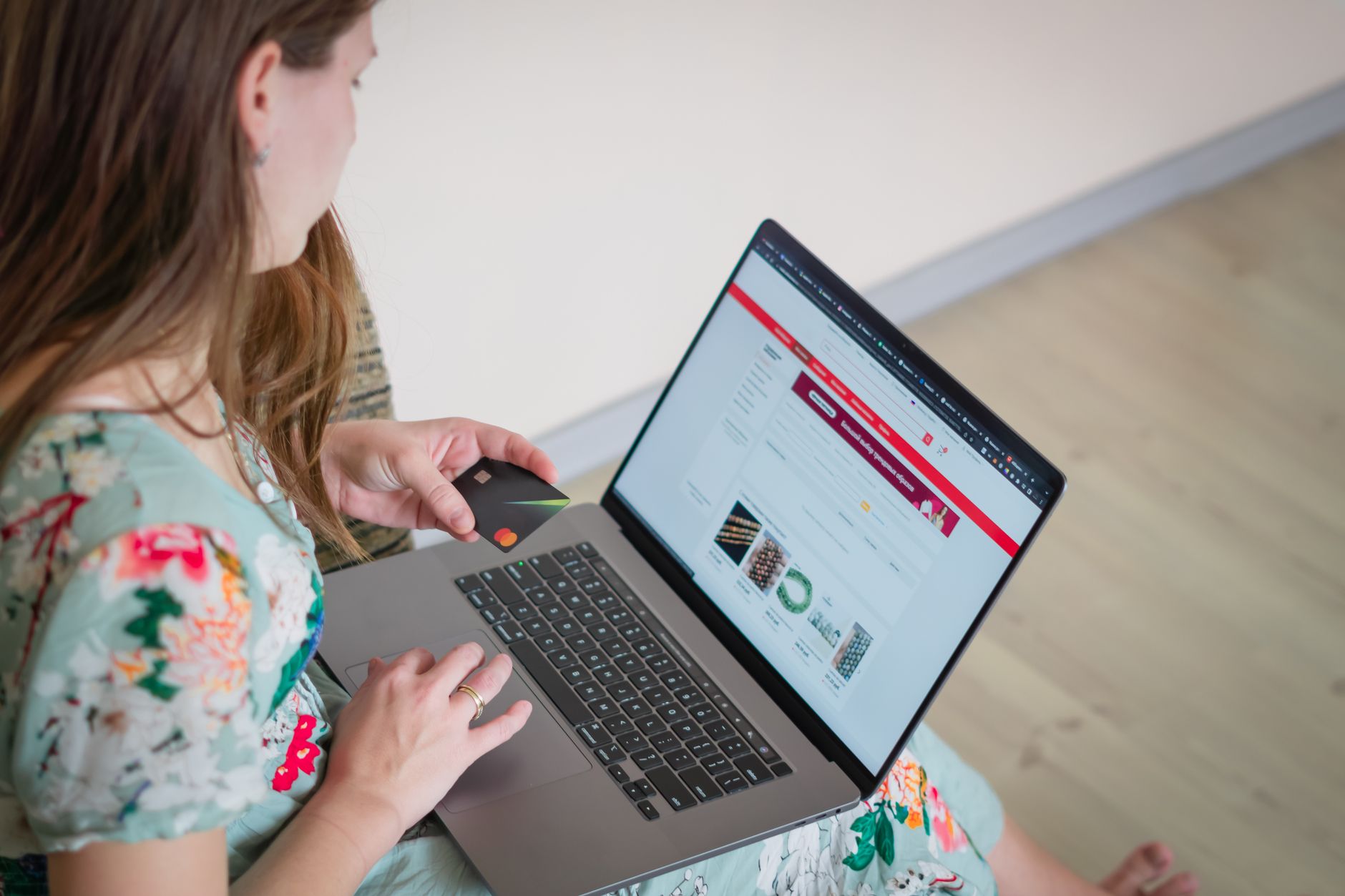
While Australia spent 2026 talking about Claude writing code and drafting emails, Anthropic has been quietly assembling something else: a stack for agentic commerce, software agents that don’t just recommend products but browse, negotiate and buy on a shopper’s behalf. It is one of the more consequential shifts in online retail since mobile, and, tellingly, FluentSea hasn’t written a word about it. Time to fix that.
What Anthropic has actually shipped
The clearest signal came in March, when Anthropic launched a Claude B2B marketplace for enterprise AI applications, effectively a storefront where businesses find and deploy Claude-powered tools. In April the company published results from “Project Deal,” an internal experiment in which 69 staff in San Francisco set AI agents loose to negotiate on their behalf in a makeshift marketplace. The agents struck 186 deals worth more than US$4,000 — a tiny sum that hints at a very large idea: agents transacting with other agents, with humans setting the guardrails.
On the consumer side, Claude now plugs into shopping workflows directly. Through an Instacart integration, a shopper can ask Claude to plan a week of meals, turn that into a grocery list and execute the purchase without leaving the conversation. A layer of specialists has grown up around it: commerce agency Elogic has partnered with Anthropic to help retailers wire Claude into product-data enrichment, quote-and-RFQ automation and buyer self-service.
It’s a three-horse race
Anthropic is not alone. As Digital Commerce 360 mapped in April, OpenAI (with in-chat “instant checkout”), Google (with an agentic checkout that has already courted Australian retailers) and Anthropic are each racing to own the moment a shopper’s AI decides what to buy. The approaches differ, but they converge on the same disruption: the customer may never see your website. They will see whatever their assistant surfaces.
Why this lands harder in Australia
Here is the part local retailers can’t afford to shrug off. Per head, Australia is the most intensive Claude market in the world, Anthropic’s own economic index shows Australians using Claude at more than six times the rate their population would predict. The company has since opened a Sydney office on the back of that demand. In other words, the country whose consumers are most likely to be shopping through an AI assistant is ours.
That reframes a warning Australian marketers were given earlier this year about an “AI brand visibility” race, as reported by ecommercenews.com.au: the discipline that used to be search-engine optimisation is quietly becoming answer-engine optimisation, making sure your products, prices and stock are legible to an agent, not just a Google crawler. If Claude can’t parse your catalogue, it can’t put you in the basket.
What Australian retailers should do now
- Structured product data. Clean, machine-readable feeds (price, availability, specs, returns) are the new shelf space. Agents buy what they can read.
- An agent-facing channel. The MCP-style connectors Anthropic is standardising let a retailer expose inventory and checkout to Claude directly. Early movers get default placement.
- Trust and returns. When an agent buys on a customer’s behalf, disputes and returns policy become the brand experience. Get the guardrails right before the volume arrives.
The bottom line
Agentic commerce is still early, Project Deal moved four thousand dollars, not four billion. But the direction is set, the big three are all in, and Australia is the market where consumer adoption is running hottest. For a country that has quietly become the world’s heaviest Claude user, “we’ll wait and see” is the one strategy that doesn’t scale. FluentSea will be covering this beat properly from here.
Sources: Digital Commerce 360; Anthropic’s Claude B2B marketplace; Elogic Commerce; SmartCompany.


