





































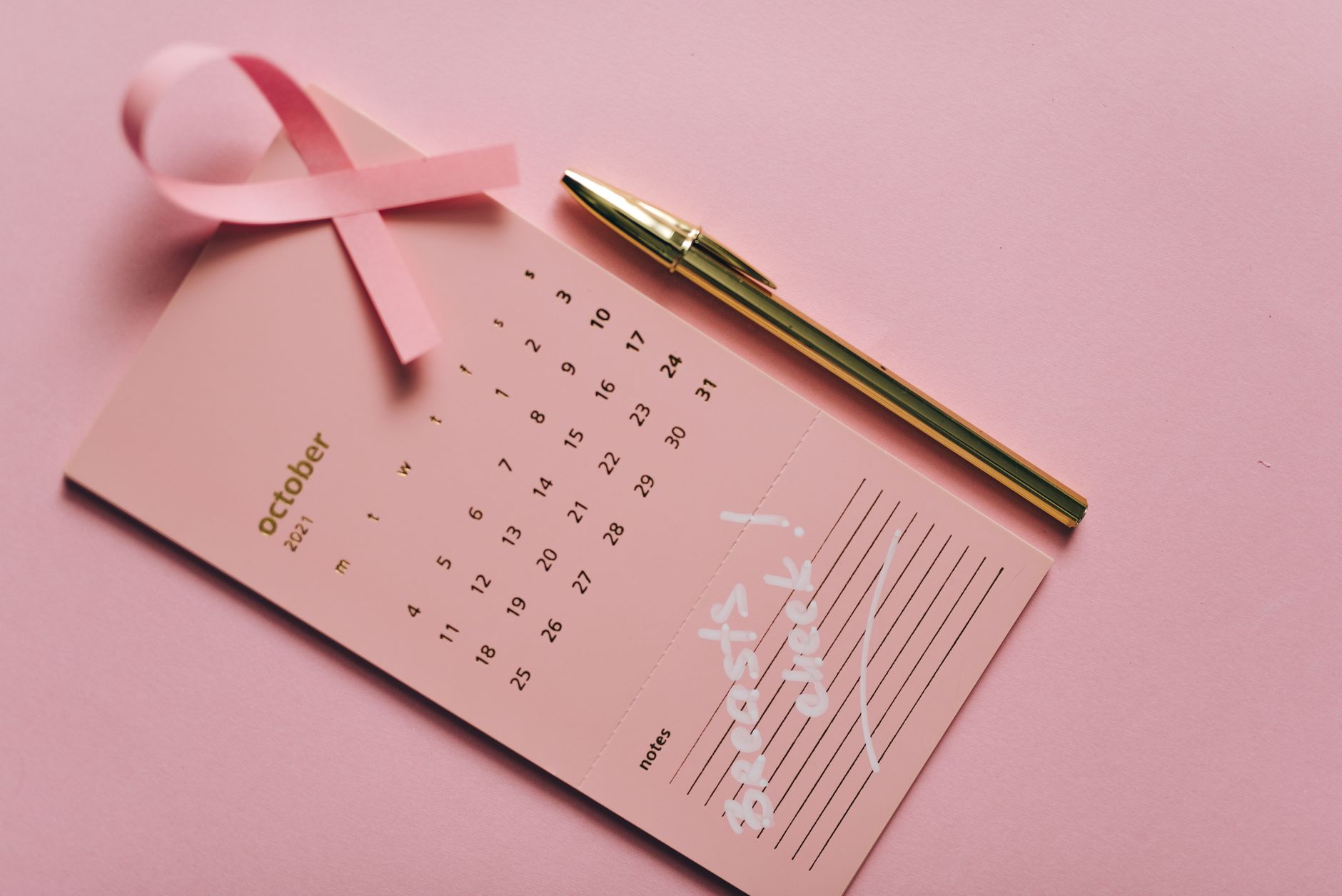
Some of the most consequential AI in Australia this year isn’t writing marketing copy, it’s reading mammograms. South Australia has joined BRAIx, one of the country’s largest trials of artificial intelligence in cancer screening, a study designed to test whether an AI ‘reader’ working alongside radiologists can catch breast cancers earlier and ease a chronic shortage of specialists.
The trial, run through a research collaboration that includes the University of Adelaide and BreastScreen services in South Australia and Victoria, pairs an AI model with the human radiologists who currently double-read every screening mammogram. Backed by close to $3 million from the Federal Government’s Medical Research Future Fund, it is expected to involve in the order of 350,000 Australian women over an 18-month to two-year period.
What the AI actually does
Australia’s breast-screening program is built on a ‘two-reader’ model: every mammogram is examined independently by two radiologists, with a third brought in to resolve disagreements. It is thorough, but it is also labour-intensive at a time when radiologist availability is stretched. BRAIx tests whether an AI reader can stand in as one of those independent reads, flagging suspicious images for closer human attention and, potentially, fast-tracking the all-clear for the overwhelming majority of scans that are normal.
The prize is not just accuracy but speed. Women who screen today can wait around two weeks for a result; researchers hope an AI-assisted workflow can shorten that anxious window without compromising the safety net that double-reading provides.
Why South Australia matters here
Adding BreastScreen SA and the University of Adelaide gives the trial reach into a state that has been positioning itself as a hub for applied health AI. It also means the model is validated on South Australian women and imaging equipment, not just data from the eastern states, important, because AI screening tools can behave differently across populations and machines.
It lands alongside a broader push into clinical AI across the country, from hospital ‘scribe’ pilots to diagnostic decision support. What sets breast screening apart is the stakes and the scrutiny: this is a population program offered to healthy women, so the bar for evidence is deliberately high, and the AI is being tested as an assistant to clinicians rather than a replacement.
What’s next
The trial’s results will feed into decisions about whether, and how, AI reading is folded into BreastScreen Australia nationally. For now, the message from the researchers is cautious optimism: the technology is promising, but it earns its place in the clinic only if it can match the safety of the human-only system it is designed to support.
Sources: St Vincent’s Institute, BRAIx trial; FemTech World.