

















































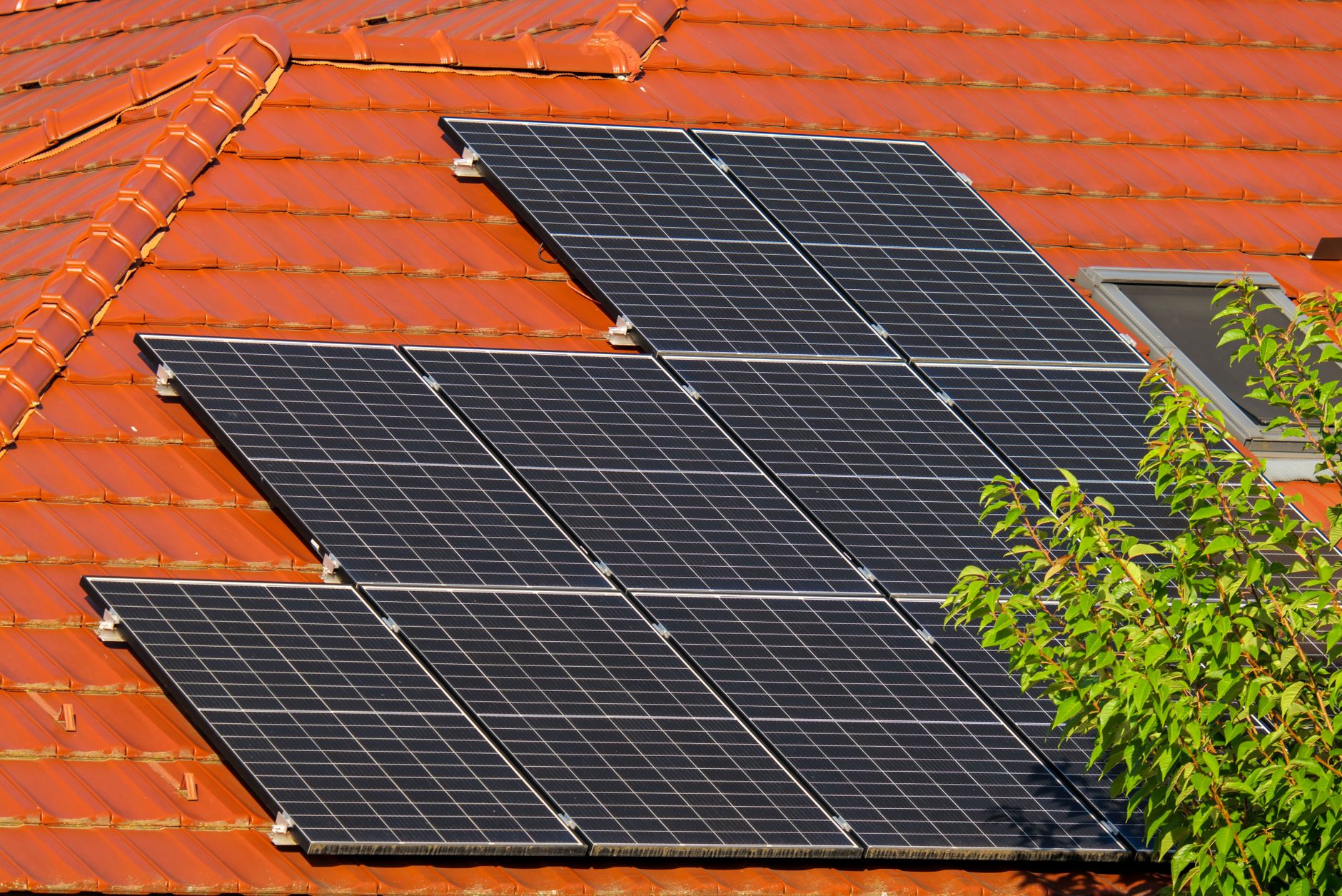
For most of the past decade, the smart part of a home solar system was the person standing in front of the switchboard. You watched the app, you guessed when to run the dishwasher, and you hoped the battery had enough charge left for the evening peak. That era is quietly ending. Across Australian rooftops and garages, artificial intelligence is now making those calls automatically, thousands of times a day, and increasingly without anyone watching.
The pitch is simple: hand the keys to an algorithm and it will squeeze more money out of your solar and battery than you ever could by hand. As Energy Matters reports, these systems are moving from novelty to default, controlling solar inverters, home batteries and even appliances to shave household power bills. The trade-off is one Australians are only starting to think about: how much control, and how much data, are you comfortable handing to a piece of software you cannot see?
How the machine actually decides
The core idea is orchestration. A home energy management system pulls in a stream of signals: your live solar generation, the state of charge in your battery, the weather forecast, your historical usage patterns and, crucially, the wholesale electricity price, which in Australia can swing wildly across a single day. On the National Electricity Market, spot prices can crash below zero in the sunny middle of the day and spike toward the regulated cap of around $17,500 per megawatt hour on a still, hot evening.
A human cannot react to that. An algorithm can. It will hold your battery back through a cheap afternoon, top it up when prices go negative, then discharge hard into the grid during the evening peak when a kilowatt hour might be worth ten times what you paid for it. It can pre-cool the house before a price spike, delay the pool pump, and stagger the hot water system so it soaks up your own solar rather than buying from the grid. Done well, the gains are not marginal. Households on the right plans have reported cutting hundreds of dollars a year, and some effectively run their bill close to zero across a good quarter.
The local players
Australia has become something of a proving ground for this technology, largely because we have the highest per-capita rooftop solar penetration on earth and some of the most volatile power prices to match. Amber Electric built its whole model around exposing customers to the wholesale price and then using its SmartShift software to automate battery trading against it. Tesla’s Powerwall fleet can be pooled and dispatched through its Autobidder platform, effectively turning suburbs into virtual power plants. Companies such as Reposit Power, Evergen and sonnen have spent years refining the control layer, while the big retailers, AGL and Origin among them, now run their own virtual power plant programs that lean on the same automated dispatch.
What ties them together is a shift in who holds the remote. In a virtual power plant, or VPP, your battery is no longer purely yours. It becomes one node in a fleet that a central operator can call on during grid stress events, discharging your stored power when the network needs it most. You are usually paid for the privilege, but the decision to act is not yours in the moment.
Two ways to see it
To the optimists, this is exactly the point. Left to individuals, home batteries sit idle for most of their lives. Aggregated and run by smart software, they become a genuine grid asset, firming renewables, smoothing peaks and delaying the need for expensive poles, wires and gas peakers. The Australian Energy Market Operator has been blunt that coordinated consumer energy resources are essential to a stable grid as coal exits. From this view, letting AI manage your home is not a loss of control so much as joining a bigger, smarter system that pays you to participate.
The sceptics see a quieter set of risks. The first is trust in the maths. When an opaque algorithm decides to sell your battery down to five per cent at 6pm, you have to believe it correctly forecast that you would not need that power, and that the trade genuinely benefited you rather than the operator. The second is data. These platforms build a remarkably intimate picture of your life: when you wake, when you leave, when the house is empty, when you cook and when you sleep. That is valuable information, and the rules around who can see it, sell it or be breached for it are still catching up. The third is plain lock-in. Once your hardware, tariff and control software all come from the one provider, switching becomes genuinely painful.
What it means for Australian households
This is not an abstract debate here the way it might be elsewhere. More than four million Australian homes have rooftop solar, and battery uptake has jumped sharply since the federal Cheaper Home Batteries subsidy began knocking thousands of dollars off installation costs from July this year. That means a very large number of households are, right now, being offered VPP sign-ups and automated control plans bundled with their new battery, often without a clear explanation of what they are agreeing to.
The practical advice is unglamorous but important. Read what dispatch rights you are signing over, and whether you can set a reserve, a floor of charge the software is never allowed to touch so you keep some backup for a blackout. Check whether the savings are guaranteed or merely modelled, and whether you can leave without penalty. Ask where your usage data goes. Consumer advocates have warned that the value split between household and operator is not always transparent, and that the household bears the wear on a battery that someone else is cycling. Regulators, including the Australian Energy Regulator and the various state schemes, are still writing the consumer-protection rules for exactly this handover of control.
What is next
The direction of travel is clear. As batteries proliferate and electric vehicles arrive as giant rolling batteries of their own, manual management becomes impossible and automation becomes the norm rather than the option. Expect the AI layer to get more capable, folding in vehicle charging, and expect the regulatory scaffolding to firm up around data rights, dispatch transparency and the ability to opt out cleanly.
The real question for Australian households is not whether to let software run their energy. That fight is largely over. It is whether to insist on the settings, the guarantees and the exit terms that keep the human, not just the algorithm, in charge of the switch.
Sources: Energy Matters.