

















































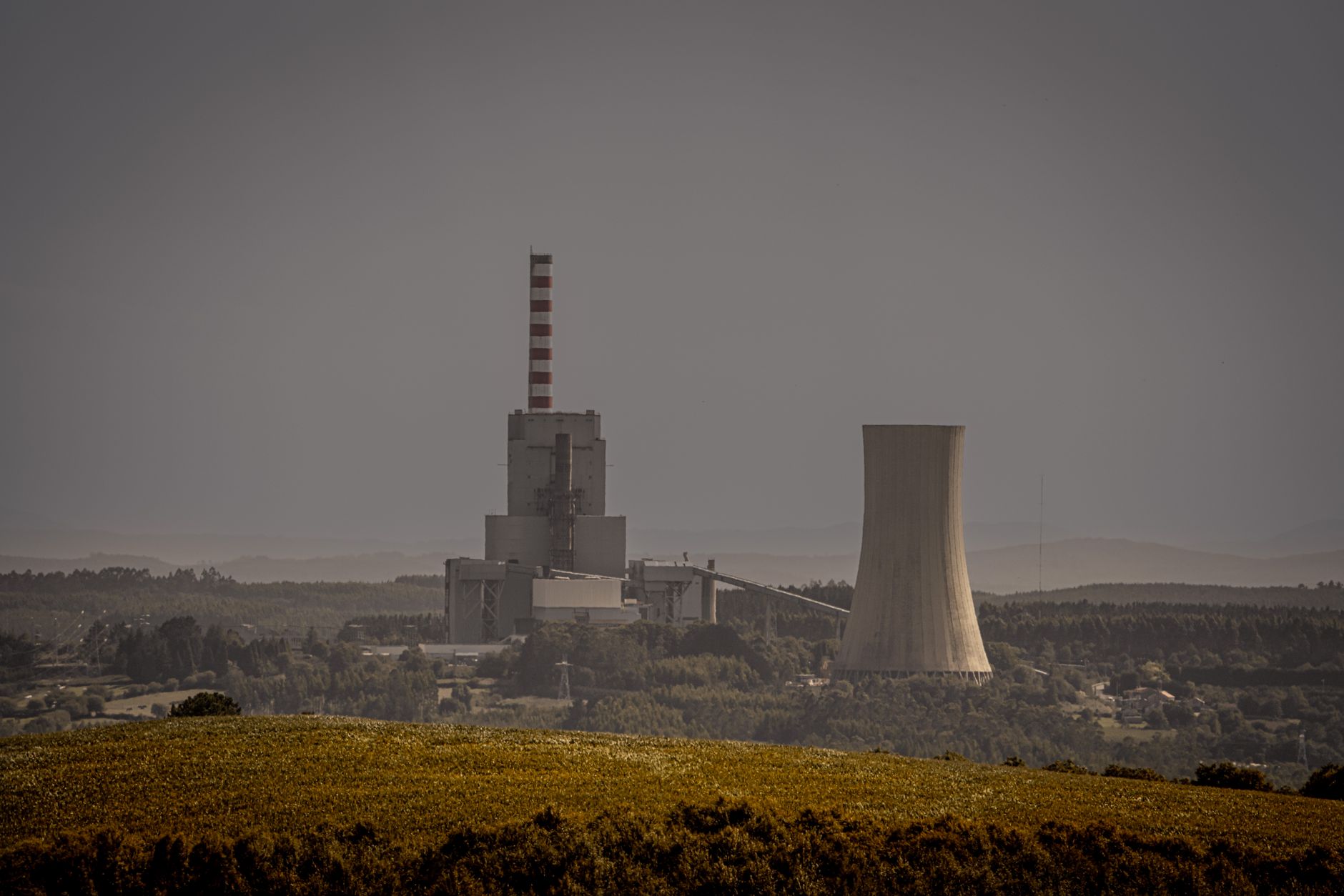
For years the story of electricity in the developed world ran in one direction: coal was on the way out, renewables were on the way in, and the only argument was about how fast. Artificial intelligence has scrambled that plot. The enormous power appetite of the data centres training and running large AI models is now so large, and arriving so quickly, that ageing coal generators once slated for retirement are being kept alive to meet it.
That is the uncomfortable tension at the centre of reporting by The Australian, which points to a global pattern that is starting to press on Australia’s own grid. The build-out that Silicon Valley calls essential infrastructure looks, from the coalface, like a lifeline for the very generators the country has spent a decade trying to switch off.
How AI rewrote the demand curve
The mechanics are not complicated. A single hyperscale data centre can draw as much electricity as a mid-sized city, and it wants that power around the clock, every day of the year. Generative AI has made the problem sharper again, because training a frontier model and then serving it to millions of users is far more energy-hungry than the web and streaming workloads that came before. The International Energy Agency has warned that global electricity demand from data centres could more than double by 2030, with AI the single biggest driver.
For grid operators, the awkward part is the timing. Renewables and storage are being built at pace, but transmission lines, batteries and firming capacity take years to plan and connect. Data centre demand does not wait. When a new load arrives faster than clean supply can be stood up, the gap gets filled by whatever is already bolted to the network, and in much of the world that still means coal and gas. In the United States, utilities have already delayed the closure of coal plants to keep the lights on for AI campuses, and the fear in Australia is that the same logic will take hold here.
Two ways of reading the same numbers
There are, broadly, two camps, and both have a fair point.
On one side sit the technology companies and their allies in economic development, who argue that the AI build-out is a national opportunity Australia cannot afford to miss. Data centres bring investment, high-value jobs and the digital backbone for everything from health to defence, and, the argument runs, a short-term reliance on existing generation is a price worth paying to secure a place in the AI economy. Many of the hyperscalers, including Amazon, Microsoft and Google, are also among the largest corporate buyers of renewable energy on the planet, and they insist their long-run trajectory is towards clean, firmed power, not away from it.
On the other side are climate scientists, energy analysts and clean-energy investors who worry that “temporary” has a way of becoming permanent. Every year a coal unit runs past its planned closure date is a year of emissions that the national carbon budget did not account for. Their concern is not that AI is inherently dirty, but that the pace of demand is being used to justify keeping fossil assets online, weakening the business case for the storage and transmission that would let the grid absorb the new load cleanly. If the boom locks in gas peakers and delayed coal retirements, they warn, Australia could find its 2030 emissions target slipping out of reach for reasons no one modelled five years ago.
What it means for Australia
Australia is unusually exposed to both sides of this argument. The country is trying to run one of the fastest coal-to-renewables transitions in the developed world, with the Australian Energy Market Operator planning for a grid that is overwhelmingly wind and solar within a decade. At the same time, governments in every capital are courting data centre investment, and Sydney and Melbourne are already among the largest data centre markets in the Asia-Pacific. The two ambitions are now on a collision course over the same electrons.
The federal government has legislated a 43 per cent emissions cut by 2030 and net zero by 2050, targets that assume coal fades on schedule. If AI demand keeps even a handful of units running longer, or pulls forward new gas capacity, the sums get harder. There is also a water and land dimension that rarely makes the headlines: data centres consume large volumes of water for cooling, a sensitive issue on the driest inhabited continent, and they compete for grid connections that renewable projects also need. Regional communities hosting both wind farms and hyperscale campuses may find themselves at the centre of a debate they never asked to join.
There is a more optimistic reading available to Australia, though, and it is one the clean-energy sector is keen to press. Abundant sun, wide-open land and a pipeline of large-scale renewable projects mean the country could, in principle, power the AI boom with clean electrons rather than coal, and even market itself as a destination for “green” data centres that global firms increasingly want for their own emissions reporting. Whether that happens depends less on the technology than on how fast transmission and storage can be built, and on whether policymakers treat data centre demand as a reason to accelerate the transition rather than an excuse to slow it.
What’s next
The near-term flashpoints are already visible. Grid connection queues, the timing of coal closures at plants like Eraring and Yallourn, and the rules governing how much power a single new load can draw are all becoming AI questions as much as energy questions. Expect pressure on both state and federal governments to spell out how data centre growth is counted in their energy plans, and to say plainly whether new demand will be matched with new clean supply or simply absorbed by the existing fleet.
Some in the sector are calling for large energy users to be required to bring their own firmed renewable capacity, so that a new campus adds clean generation rather than just load. Others want faster approvals for the transmission projects that would let the grid soak up the demand. Either way, the era in which AI and climate policy could be discussed in separate rooms is over. The machines that promise to reshape the economy will be powered by something, and the fight over what that something is has only just begun.
Sources: The Australian.


