








































For the better part of a decade, the story of technology in logistics has been a story about visibility. Businesses invested heavily in knowing where their goods were at any given moment, watching containers cross oceans and parcels move through sorting hubs on glowing dashboards. That era of simply watching is now giving way to something more consequential, as artificial intelligence begins to make the decisions that human planners once agonised over.
A feature published by Inside Retail Australia captures the shift neatly in its framing: logistics is moving from tracking shipments to taking action. The distinction matters more than it might first appear. Tracking tells you a delay has happened. Acting means the system reroutes the freight, reorders the stock and reshapes the delivery promise before a customer ever notices something has gone wrong.
From dashboards to decisions
The practical change underway is the move from descriptive analytics to what the industry calls prescriptive and increasingly autonomous systems. Earlier generations of supply-chain software were essentially very sophisticated rear-view mirrors. They told operators what had already occurred and left the hard choices to people working the phones and spreadsheets. The newer wave of AI models is designed to forecast demand, anticipate disruption and then trigger a response without waiting for a human to approve each step.
In retail distribution, that can mean an algorithm detecting that a heatwave is about to spike demand for fans and cold drinks in one region, then automatically shifting inventory and booking the trucks to move it. In freight, it can mean rerouting a shipment around a congested port before the congestion becomes a cost. The appeal is obvious to any business that has watched a single blocked waterway or a port strike ripple through its margins for months.
Underpinning all of this is a convergence of cheaper sensors, richer data and far more capable models. Agentic AI, which can carry out multi-step tasks on a company’s behalf, has become the phrase of the moment because it promises to collapse the gap between insight and action. The logistics sector, awash in structured data about times, weights, locations and costs, is a natural proving ground for exactly that kind of automation.
Two ways to read the shift
Enthusiasts argue this is the breakthrough logistics has been waiting for. Supply chains are enormously complex systems with millions of interacting variables, and human planners simply cannot optimise them in real time. Handing routine decisions to machines, the argument goes, frees people to manage exceptions and strategy while the system quietly shaves cost and carbon out of every route. For businesses competing on next-day and same-day delivery, the speed of an automated response can be the difference between keeping a customer and losing one.
The more cautious view is not a rejection of the technology so much as a warning about how it is deployed. Autonomous systems are only as good as the data feeding them, and supply-chain data is notoriously messy, siloed and inconsistent across the many parties involved in moving a single pallet. A model trained on a world of stable trade patterns can behave unpredictably when that world shifts, as it did repeatedly through the pandemic and the trade tensions that followed. There is also a governance question that keeps logistics executives awake: who is accountable when an algorithm makes a reordering decision that strands millions of dollars of stock in the wrong warehouse? Letting software act rather than merely advise raises the stakes of every error.
There is a workforce dimension too. The promise of automation has always carried an implied threat to the planners, schedulers and coordinators whose judgement these systems are designed to replicate. The likelier near-term outcome is a reshaping rather than a wholesale removal of those roles, with people moving up the chain to supervise and correct the machines. But that transition still demands retraining and trust, neither of which arrives automatically with the software.
Why this lands hard in Australia
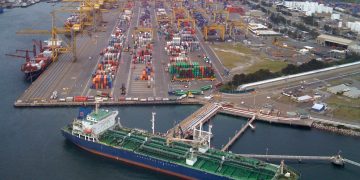
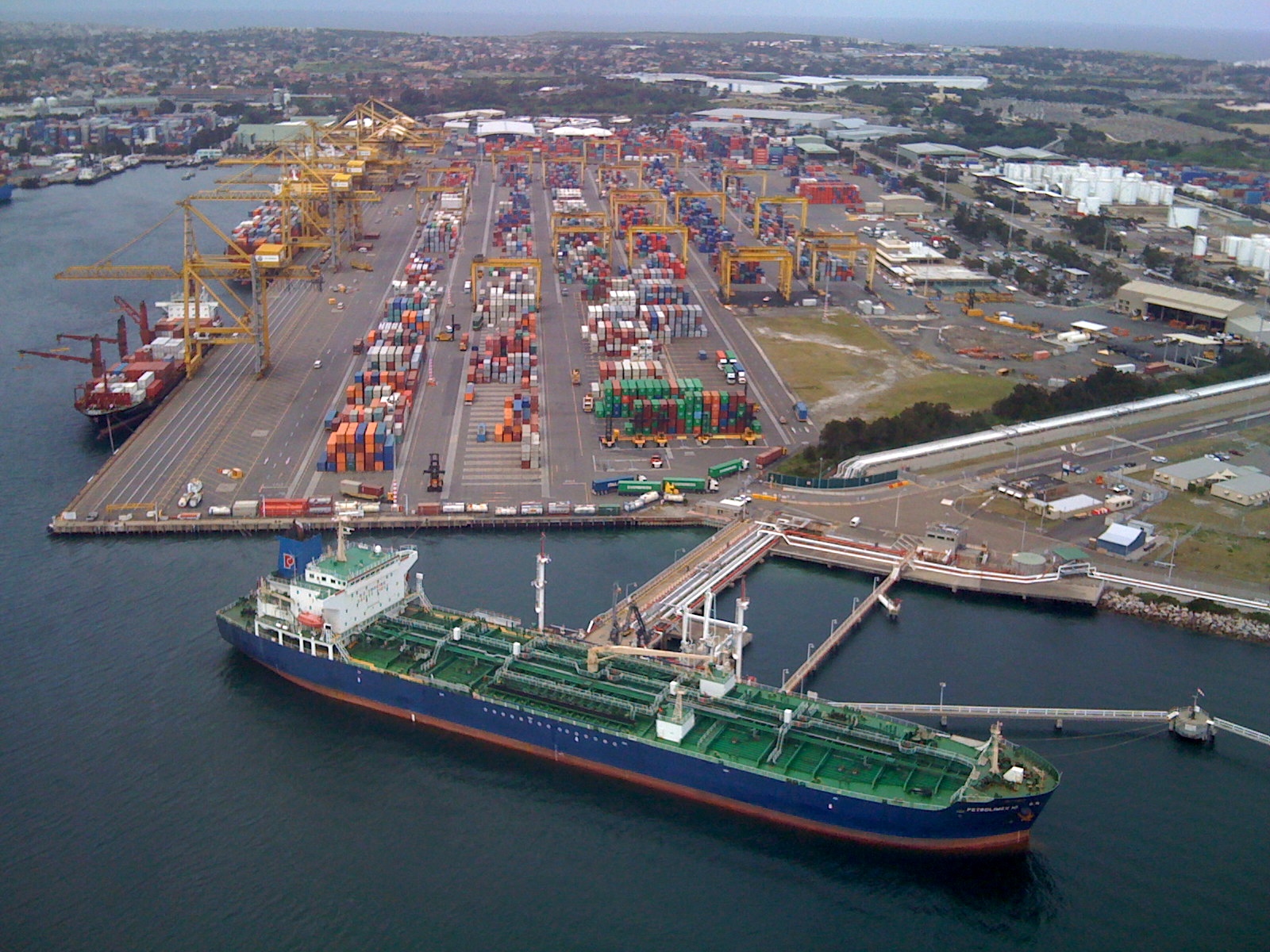
Few countries have more riding on the efficiency of their supply chains than Australia. The combination of vast distances, a concentrated population on the coasts and a heavy reliance on imports through a handful of major ports makes the national logistics network both critical and fragile. When something goes wrong at Port Botany or the freight corridors between the eastern capitals seize up, the consequences flow quickly to shelves and businesses thousands of kilometres away.
That exposure cuts both ways. It means Australian retailers, freight operators and manufacturers stand to gain a great deal from AI that can anticipate and route around disruption, because the cost of getting it wrong here is unusually high. It also means the country cannot afford to treat these systems as plug-and-play imports. Models built around dense northern-hemisphere networks will need serious adaptation to handle the thin, long-haul realities of moving goods across a continent the size of Australia.
The local market is already stirring. FluentSea has reported on Perth-based Indrus raising pre-seed funding for AI camera tracking in logistics, and on a wider push by Australian retailers to use AI for customer growth and retention. Those stories point to a sector that is not waiting for global players to set the terms. There is also a sovereignty angle that policymakers are increasingly alert to, given how much of the data describing Australian trade would otherwise sit inside offshore platforms.
What comes next
The direction of travel is clear even if the pace is not. Expect the next wave of logistics investment to concentrate less on new tracking screens and more on the systems that act on what those screens have long been showing. The businesses that benefit will be the ones that get their data house in order first, because clean, connected data is the precondition for trusting a machine to make live decisions.
The open questions are about guardrails rather than capability. How much autonomy will operators actually grant these systems, how will they audit the choices made on their behalf, and how will regulators respond when automated decisions start affecting critical supplies? For Australia, with its uniquely stretched and exposed networks, getting those answers right will matter at least as much as adopting the technology at all.
Sources: Inside Retail Australia.