



















































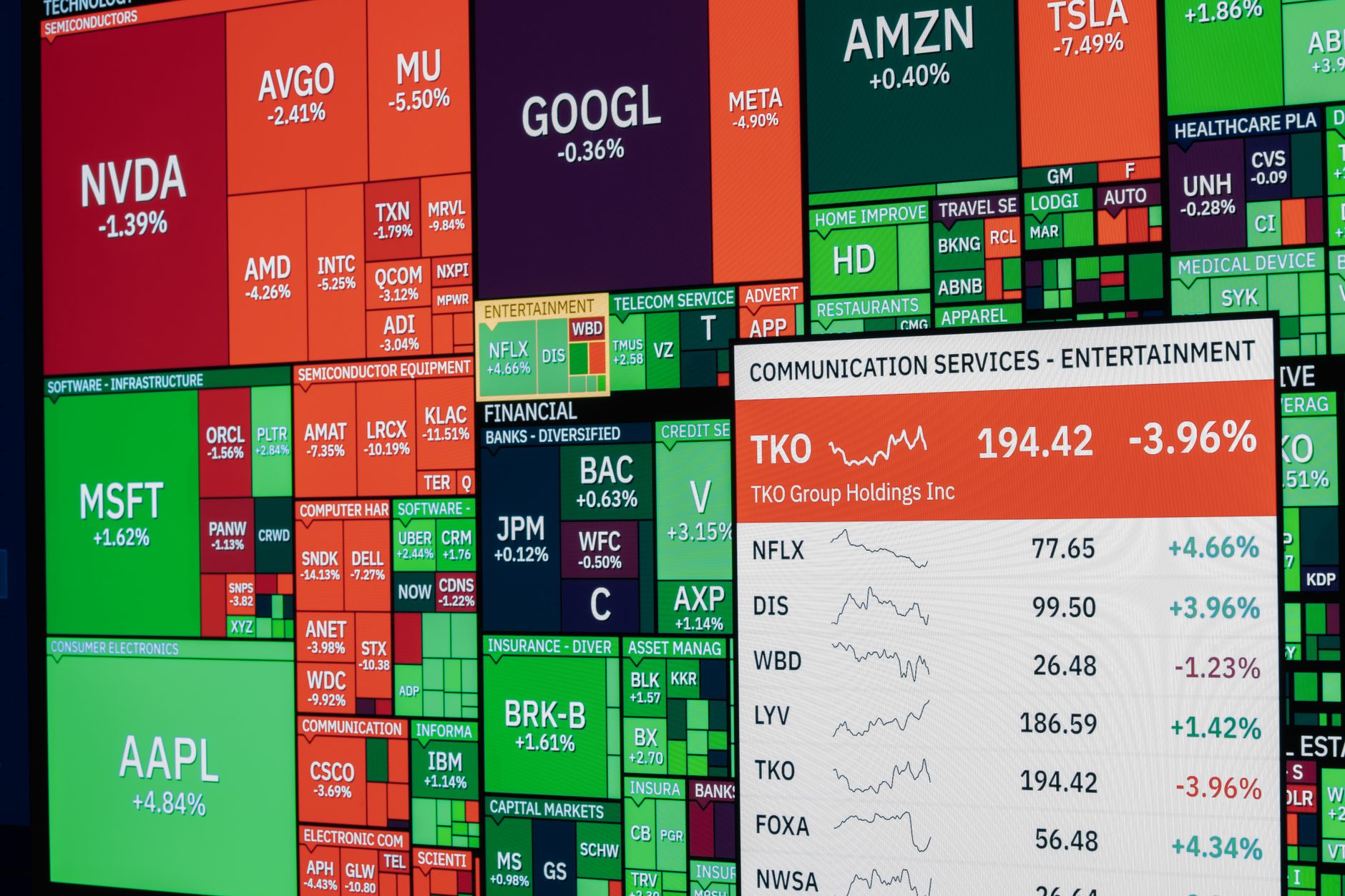
The Australian sharemarket spent another session on the back foot, with the benchmark S&P/ASX 200 drifting lower as heavyweight mining stocks lost ground and nerves about the global artificial intelligence trade refused to settle. It is a familiar pairing for anyone watching the local bourse this spring: the old economy and the new one tugging in the same unhelpful direction on the same day.
According to the Finance News Network, the index slipped as the materials sector weighed on the broader market and the so-called AI jitters that have rolled through Wall Street continued to echo across the Pacific. Neither story is new, but the way the two have started to move together is worth unpacking, because it tells you something about how exposed Australian portfolios now are to a technology theme that has very little to do with digging rocks out of the Pilbara.
The two forces dragging on the index
Start with mining, because it is still the ballast of the local market. The big resources names carry an outsized weight on the ASX 200, which means that when iron ore softens or when Chinese demand signals wobble, the whole index feels it. On a day when the materials sector leads the losers, there is often no amount of strength elsewhere that can fully offset the drag. That is simply the structure of a market built on a handful of very large diggers and a couple of very large banks.
The second force is less tangible but has become just as influential. For the better part of two years, global equities have been carried higher by a narrow band of companies tied to artificial intelligence, led by the chipmakers and the hyperscalers building out enormous data centres. When confidence in that trade wobbles, as it has done repeatedly in recent weeks, the selling does not stay offshore. It arrives in Sydney the next morning through index futures, through the local technology names, and through the exchange-traded funds that have funnelled billions of Australian dollars into US megacaps.
The jitters themselves are not hard to understand. Investors have begun asking whether the capital being poured into AI infrastructure can ever earn an adequate return, whether the revenue to justify the spending will actually show up, and whether valuations have run too far ahead of the earnings underneath them. None of those questions has a clean answer, which is precisely why the market keeps reaching for the sell button whenever a data point disappoints.
Two ways to read it
There are, broadly, two camps among local market watchers. The cautious camp argues that a pullback is overdue and healthy. On this view, the AI build-out is real but the share prices attached to it have detached from fundamentals, and a period of consolidation would wring out some of the froth without derailing the longer story. A softer mining sector, in this reading, is just the ordinary business cycle doing its work, with commodity prices responding to a patchy Chinese recovery rather than anything structural.
The more constructive camp counters that the sell-offs have been shallow and quickly bought, which is not the behaviour of a market that genuinely believes the theme is broken. Proponents point out that the infrastructure spending is already locked in through multi-year contracts, that earnings from the largest technology companies have largely held up, and that every wobble so far has proved to be a buying opportunity rather than the start of a sustained unwind. For this group, the mining weakness and the AI nerves are coincidental rather than connected, and the index will find its feet once the noise fades.
Both readings can be true at once, which is part of what makes the current moment so unsettling for anyone trying to position a portfolio. The market is not pricing a crash, but it is no longer pricing perfection either.
What it means for Australia
For Australian investors, the overlap of these two stories matters more than it might first appear. The local market has quietly become a geared bet on themes decided elsewhere. Superannuation funds, which collectively manage the retirement savings of millions of Australians, have steadily lifted their allocations to global equities, and a meaningful slice of that money now sits in the same handful of AI-exposed US names that are driving the volatility. When those stocks sneeze, the effect flows through to balances that ordinary workers never think of as technology investments.
The surge in locally listed and locally domiciled ETFs that track the Nasdaq 100 or the Magnificent Seven has amplified the link. Products that were marketed as a simple way to get offshore growth exposure have, in practice, concentrated household savings into the most expensive and most scrutinised corner of the global market. That is fine while the trade is working. It becomes uncomfortable on days like this one, when the same investors also own the miners that are dragging the index down at home.
There is a resources angle to the AI story too, and it cuts both ways. The data centres powering the AI boom are enormously hungry for electricity and for the copper, aluminium and critical minerals needed to build and connect them. In theory, that is a tailwind for Australian producers over the next decade. In the short term, though, a market worried about AI overspending is not inclined to reward the companies that supply the picks and shovels, which is part of why the mining and technology narratives keep bleeding into each other on the local tape.
What is next
The near-term direction will hinge on a few familiar signposts. Guidance from the major US chipmakers and cloud providers will set the tone for the AI complex, and any sign that the infrastructure spending is slowing, or alternatively that it is being matched by real revenue, will move sentiment quickly. Closer to home, commodity prices and the health of the Chinese economy will decide whether the mining drag is a passing soft patch or something more durable.
For Australian investors, the practical takeaway is less about predicting the next session and more about understanding what they actually own. A portfolio that feels diversified between resources and growth may, on closer inspection, be exposed to the same global mood from two different directions. On a day when both the miners and the AI trade are heavy, that is exactly what the index is quietly revealing.
Sources: Finance News Network.


