



















































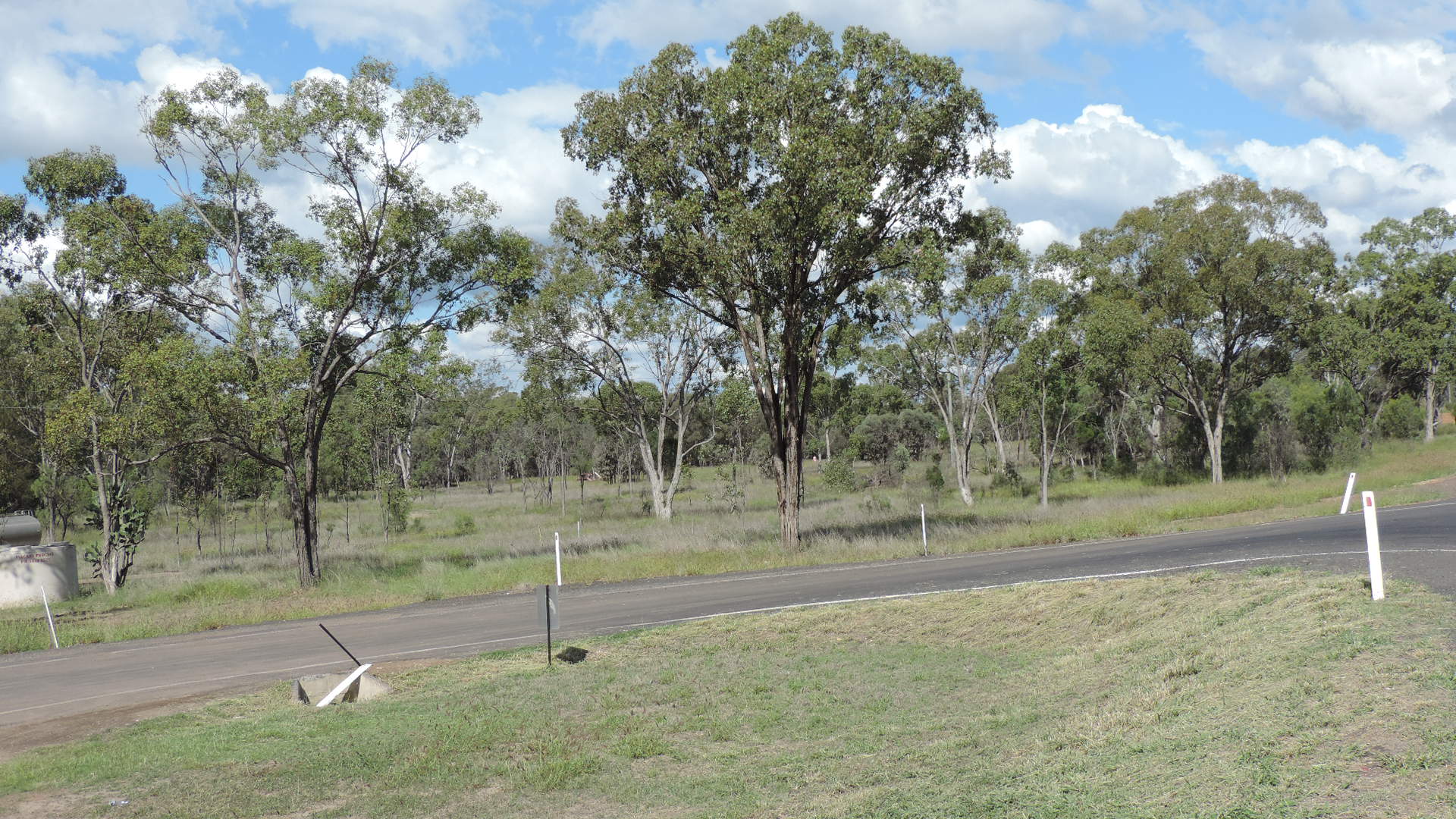
The boom in Australian data centre construction has run into one of its more predictable obstacles: the people who live next door. A proposed facility known as the Western Downs Digital Park, in regional Queensland, is facing significant community opposition, according to a planning filing reported this week by Construction Review. The filing points to a volume of objections from residents, a sign that the race to build the physical backbone of artificial intelligence is colliding with the realities of life in the regions.
The Western Downs sits a few hours west of Brisbane, taking in towns such as Dalby, Chinchilla and Miles. It is one of the most heavily industrialised rural zones in the country, home to coal seam gas fields, the Kogan Creek power station and a growing cluster of wind and solar farms. That combination of available land and existing energy infrastructure is precisely what makes the area attractive to data centre developers, who need both in abundance. It is also, as the current objections suggest, exactly why some locals feel their district has already carried more than its share of large-scale industrial projects.
Why data centres are landing in the bush
For most of the past decade, Australia’s data centres clustered in the outer suburbs of Sydney and Melbourne, close to the fibre routes and population centres they serve. The arrival of AI has changed that calculus. The enormous computing clusters that train and run large language models are far hungrier for electricity than the storage and cloud facilities that came before them, and grid connection has become the single biggest constraint on where they can go. Regions with spare generation capacity, transmission lines and cheap land are suddenly prime real estate, and the Western Downs ticks every box.
That is the case the proponents make. A facility of this kind promises construction jobs, a handful of ongoing technical roles, rates revenue for the local council and a slice of the investment pouring into AI infrastructure nationally. Supporters of these developments argue that the compute has to be built somewhere, and that regional Queensland, with its energy endowment, is a logical and economically sensible home for it. The alternative, they say, is that Australia imports more of its AI capacity from offshore and surrenders both the jobs and the sovereign control that come with hosting the hardware at home.
The case against
Residents who have lodged objections tend to raise a familiar set of concerns, and data centres sharpen several of them. The first is power. A large AI facility can draw as much electricity as a small city, and locals worry that connecting it will tighten an already stretched grid and put upward pressure on their own power bills. The second is water. Many data centres rely on evaporative cooling, and in a region that knows drought intimately, the prospect of a single site consuming millions of litres a year is politically explosive. Add to that the round-the-clock hum of cooling plant, the visual bulk of the buildings, increased heavy-vehicle traffic during construction and questions about who actually benefits once the ribbon is cut, and the strength of the pushback becomes easier to understand.
There is also a deeper sentiment at work. Communities across the Western Downs and the nearby Darling Downs have spent years negotiating gas wells, transmission corridors and renewable projects, and a sense of consultation fatigue has set in. For some, the data centre is less a discrete proposal than the latest in a long line of developments that promise prosperity elsewhere while leaving the local amenity costs close to home. A planning filing that records heavy opposition is, in that light, as much a statement about process and trust as it is about any single technical detail.
What it means for Australia
The Western Downs dispute is a local planning matter, but it rehearses an argument the whole country is about to have. Australia is in the middle of a data centre construction wave, with billions of dollars committed by the global cloud giants and a string of domestic operators, and the national conversation has so far focused on the upside: sovereign AI capacity, digital jobs and the chance to anchor part of the technology supply chain onshore. The friction at ground level has received far less attention.
Energy is where the tension is most acute. The Australian Energy Market Operator has repeatedly flagged that data centre demand could become a meaningful driver of load growth over the coming decade, at the very moment the grid is trying to manage the exit of coal and the ramp-up of renewables. Every large facility that connects competes for the same transmission capacity that households, factories and electrification plans also need. Water adds a second pressure point, and in drought-prone inland regions it may prove the harder of the two to resolve. If developers cannot show communities that a project will not raise their bills or drain their dams, approvals will get slower and more contested, wherever the site happens to be.
The outcome at Western Downs will therefore be read closely by an industry that needs dozens more sites like it. A smooth approval would suggest regional Queensland is open for business and willing to trade amenity for investment. A knockback, or a heavily conditioned consent, would signal that even energy-rich districts have limits, and that the social licence for AI infrastructure cannot be assumed. Either way, the lesson for developers is that the economics of grid access are no longer the only thing that decides where a data centre gets built.
What’s next
The proposal now moves through the local planning process, where the objections on file will have to be weighed against the project’s claimed benefits before any decision is made. Expect the council assessment to turn on the specifics the community has raised: how the site will be powered, how it will be cooled, what it will mean for local water and what enforceable conditions might be attached. The broader question, of how Australia reconciles its AI ambitions with the communities asked to host them, will outlast this one filing.
Sources: Construction Review via GNews.



Comments 1