

















































Australian brands are quietly moving money out of the feed and back onto the street, and distrust of AI-generated advertising is part of the reason.
A run of 2026 research points to the same conclusion: audiences have never been better at avoiding ads, and the flood of AI-made content is eroding what trust remains. A YouGov survey found that 45 per cent of Australians would trust a brand less if they discovered its advertising was mainly generated by artificial intelligence, a striking number for marketers being sold AI tools as the future of the craft.
The attention problem
The trust issue sits on top of a harder one: getting noticed at all. Close to a third of Australian internet users now run an ad blocker at least some of the time, led by the 18-to-34s that most brands are desperate to reach. And of the impressions that do get through, an estimated 85 per cent of digital ads fail to clear the roughly two-and-a-half-second threshold needed to lay down a memory, meaning most digital spend is paid for and forgotten almost instantly.
Put those together and the economics of pouring ever more budget into AI-optimised digital start to wobble. If a growing share of the audience blocks the ad, ignores the ad, or actively trusts the brand less for using AI to make it, the promised efficiency of automated creative can be self-defeating.
Back to the street
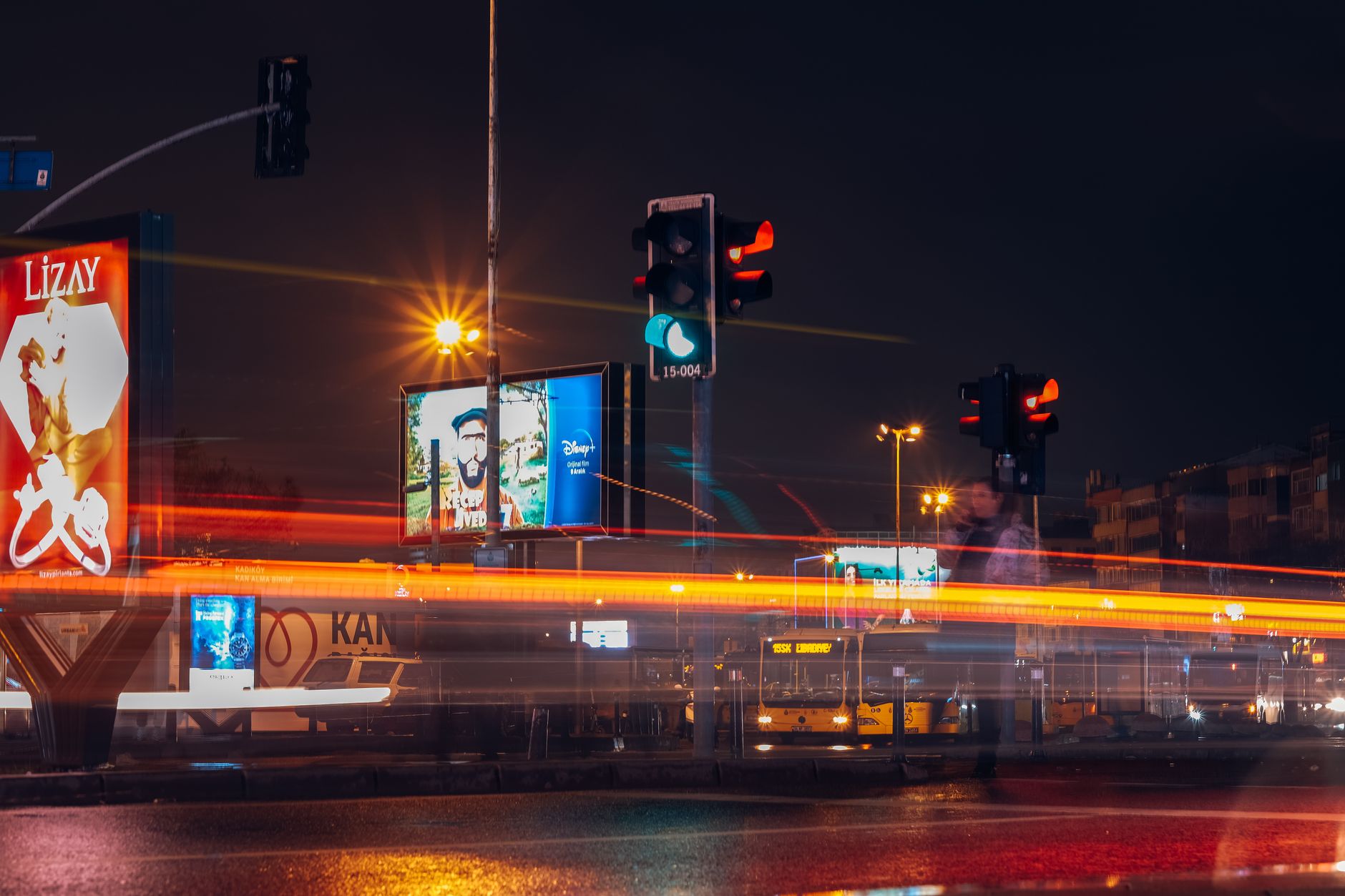
The response is showing up in the numbers. Out-of-home has become the fastest-growing major medium in the country, reaching $1.44 billion in 2025, up more than 11 per cent on the year, according to the Outdoor Media Association. A billboard cannot be blocked, skipped or scrolled past, and it carries none of the “is this even real?” baggage that now attaches to a slick AI-generated video. For brands worried about trust, the physical world has become a safer place to spend.
None of this means AI is leaving advertising. It is embedded in media buying, targeting and production, and it is not going anywhere. But Roy Morgan’s tracking shows overall sentiment toward advertising softening, with distrust rising at the margins, and that is a warning to any brand tempted to let AI write the whole campaign.
Why it matters
The lesson for Australian marketers is that AI is a tool, not a disguise. Audiences increasingly reward work that feels human and made with care, and punish content that reads as machine-generated filler. The brands winning in 2026 are using AI to move faster behind the scenes while keeping a visibly human hand on the creative the public actually sees. For an industry the size of Australia’s, that balance is now a commercial necessity, not a philosophical one.
Sources: Campaign Brief / YouGov, The Movie Boards and Roy Morgan.


