


































Tasmania has spent years selling itself as the “battery of the nation”. The AI boom might drain the battery before the nation ever gets to plug in.
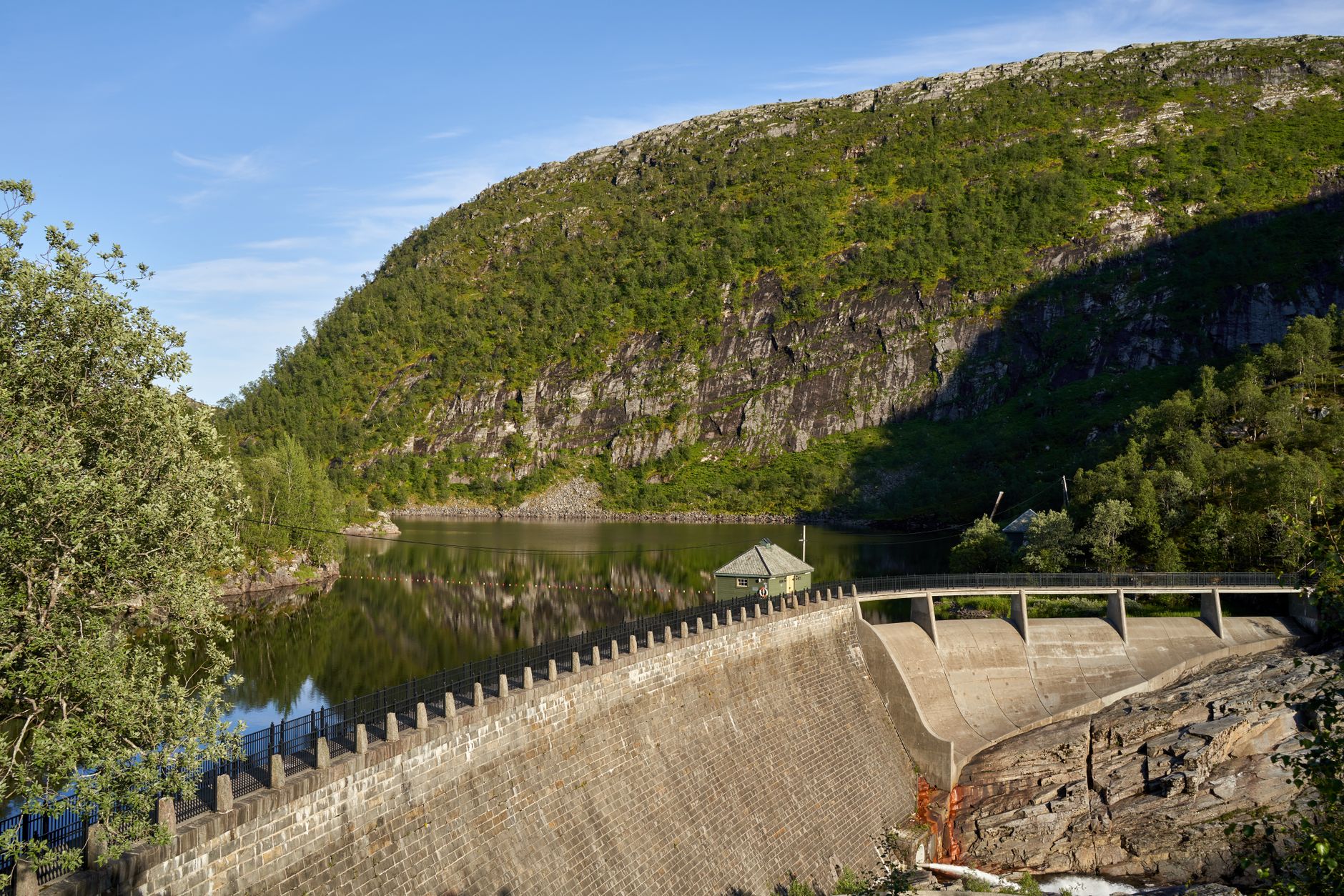
The pitch has always been elegant: Tasmania’s hydro and wind make it a giant store of renewable energy, and a new undersea cable, Marinus Link, would let it export clean power to the mainland at peak demand and import when the dams run low. The 1.5-gigawatt interconnector across Bass Strait, backed by state and federal governments, is due around 2030.
Then the AI factories arrived.
A timing mismatch
The problem is sequencing. Firmus, one of the most aggressive builders of AI data centres in the country, switches on its Tasmanian load from August 2026. Its Launceston factory alone is contracted for 104 megawatts, and across three sites at St Leonards, Bell Bay and Wesley Vale the company is heading toward 400 to 500 megawatts of demand, according to Tasmanian Times.
Marinus Link and the Lake Cethana pumped-hydro project that would firm it up are not due until roughly 2028 to 2030. In other words, the big new consumer arrives years before the big new infrastructure. If Firmus and its peers soak up Tasmania’s surplus renewable energy first, critics warn, there may be little left to send across the strait, undercutting the very export case that justifies Marinus.
Obsolete before it’s built?
That is the uncomfortable question now hanging over the project. Energy-industry critics argue that if massive domestic consumers buy up the island’s green surplus, Marinus Link could be stranded before construction finishes, a multibillion-dollar cable built to export power that has already been spoken for at home. Others push back. An economist defending the project argues Marinus will break the energy deadlock rather than deepen it, by pulling more generation into the system overall.
Both can be true for a while. New wind and firm pumped hydro would lift Tasmania’s total supply, but only if they are built on time, and Australian energy megaprojects rarely are. Meanwhile the AI load is contracted, financed and coming on in weeks, not years.
Why it matters
Tasmania is a small, sharp version of a national dilemma. The same tension playing out across the mainland grid is easier to see on an island where the numbers are stark: finite renewable supply, a fast-moving industrial customer, and long-lead infrastructure that assumed a different future. It is exactly the kind of clash the Prime Minister’s new Office of AI says it will coordinate, and Tasmania will be an early test of whether “coordination” can reconcile an AI factory’s switch-on date with a nation-building cable’s decade-long timeline.
Sources: Tasmanian Times, Energy-Storage.News, Clean Energy Council and Paris Buttfield-Addison.