

















































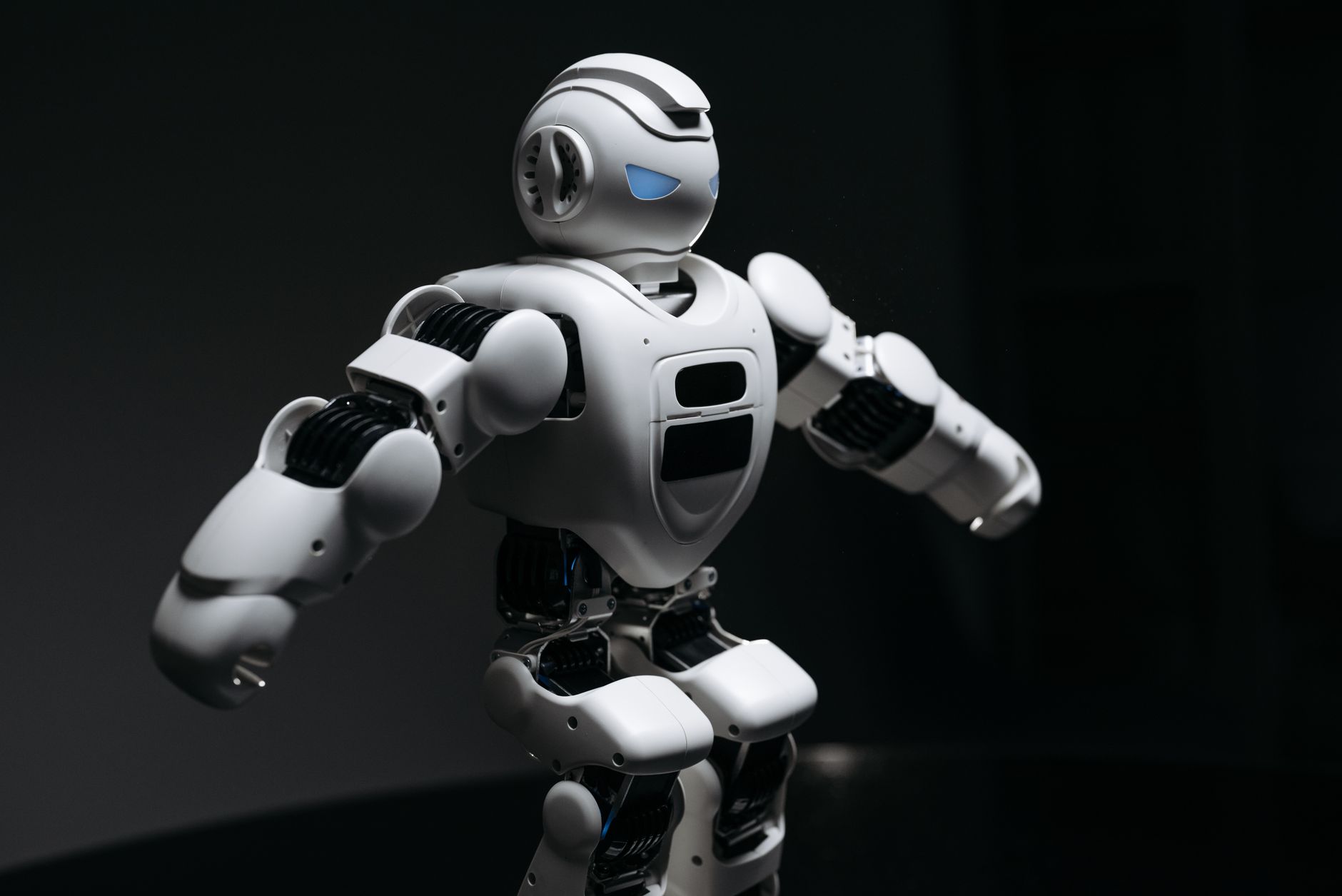
One of China’s best-funded robotics companies is turning its attention to the bottom of the world. AGIBOT, the Shanghai-based maker of humanoid robots and embodied artificial intelligence, has confirmed it will bring its APC 2026 partner conference to Australia and New Zealand as part of a plan to build a professional partner ecosystem and speed up local deployment of its technology. In plain terms, the company wants a network of resellers, integrators and industry specialists on the ground here who can put its robots into warehouses, factories and research labs.
The announcement, reported by The Malaysian Reserve, is a familiar play from a hardware company that has already saturated attention at home and now needs channels abroad. Embodied AI is the industry’s shorthand for artificial intelligence that lives inside a physical body, a robot that can see, reason and act in the real world rather than a chatbot that only produces text. It is the frontier that has drawn Nvidia, Tesla, Figure and a wave of Chinese challengers, and AGIBOT sits near the front of that Chinese pack.
Who AGIBOT is, and why the timing matters
AGIBOT, also known by its Chinese name Zhiyuan Robotics, was founded in 2023 and rose quickly on the strength of a founding team that included well-known former Huawei engineering talent. It has since raised large sums from Chinese state-linked and private investors, released a family of humanoid and wheeled robots, and open-sourced a substantial dataset of robot manipulation demonstrations designed to train the next generation of machines. The company’s pitch is that robots are moving out of choreographed stage demos and into paid, repetitive industrial work, and that whoever builds the widest partner network now will own the market when the technology matures.
That is where a partner conference fits. APC 2026 is less a product launch than a recruitment drive. By running the event across Australia and New Zealand, AGIBOT is signalling it wants local systems integrators, distributors and possibly universities to become the face of its robots in this region, handling sales, installation, service and the fiddly work of adapting a machine built for Chinese factories to Australian workplaces and safety rules. For a foreign vendor, a strong local channel is often the difference between a handful of pilots and genuine scale.
Two ways to read the move
The optimistic reading is straightforward. Australia has a chronic labour shortage in warehousing, aged care, agriculture and mining services, and a productivity problem that the Treasurer has spent much of the past year worrying about in public. Cheaper, more capable robots that can be bought and supported locally could help fill gaps that immigration and wage rises have not. A competitive market with Chinese, American and European suppliers all courting Australian partners should, in theory, drive prices down and give buyers real choice rather than a single expensive vendor.
The wary reading is just as easy to make, and it is the one likely to dominate the local conversation. Embodied AI is not a passive product. These machines carry cameras, microphones and sensors, they connect to cloud services for updates and model training, and they operate inside logistics hubs, factories and potentially critical infrastructure. A robot from a Chinese vendor sits squarely in the same category of concern that has already seen Australian governments restrict Chinese-made surveillance cameras and telecommunications equipment on security grounds. The questions that greeted Hikvision and Huawei will greet AGIBOT too: where does the data go, who can push a software update, and what happens to a fleet of imported robots if the geopolitical weather turns.
What it means for Australia
This is where FluentSea’s readers should pay closest attention, because the AGIBOT push lands in the middle of an unresolved national debate about sovereignty. Australia has spent the past year arguing over whether it is genuinely building artificial intelligence or merely hosting and importing it, a tension we explored in our coverage of the country’s newly established Office of AI. Robotics sharpens that debate, because a humanoid on a factory floor is a much more visible symbol of foreign technology than a model running quietly in a data centre.
There is also a research dimension. Australia does real work in embodied AI and robotics through the CSIRO’s Data61, through the Queensland University of Technology and the Australian Centre for Robotic Vision, and through mining automation programs that are genuinely world-class. A well-resourced foreign vendor arriving with cheap hardware and a partner program could either lift the whole ecosystem, by giving local researchers and integrators machines to build on, or crowd out homegrown efforts before they reach commercial scale. Which way it breaks will depend heavily on whether Australian firms sign up as partners or as competitors, and on whether Canberra decides embodied AI needs the same procurement scrutiny it now applies to cameras and network gear.
For workers, the arrival of a serious humanoid vendor will reopen anxieties that have simmered all year. The Department of Employment and Workplace Relations has argued that AI is not yet causing measurable job losses, and dock workers have already negotiated shorter weeks in response to automation. Physical robots make the stakes more concrete than software ever could, and unions will want to know what deployment at scale means for jobs in warehousing and logistics well before the first fleet lands.
What happens next
The immediate test is commercial. A partner conference only matters if Australian and New Zealand companies actually sign on, and the local systems integration market is small, cautious and heavily influenced by government tenders that increasingly ask hard questions about foreign technology. If AGIBOT wants scale here, it will need to answer the data and security questions early and convincingly, ideally with local hosting, transparent update controls and independent assurance, rather than waiting for a regulator or a headline to force the issue.
The broader test is strategic. Embodied AI is coming to Australia one way or another, whether from Silicon Valley, Shanghai or, more distantly, a local champion. The choice facing policymakers is not whether to allow it but how to shape the market so that Australia captures the productivity upside without handing control of physical infrastructure to a vendor it cannot influence. AGIBOT’s APC 2026 push is an early, concrete instance of that choice arriving on the doorstep, and how the country responds will tell us a lot about whether its sovereignty rhetoric has any teeth.
Sources: The Malaysian Reserve.


