

















































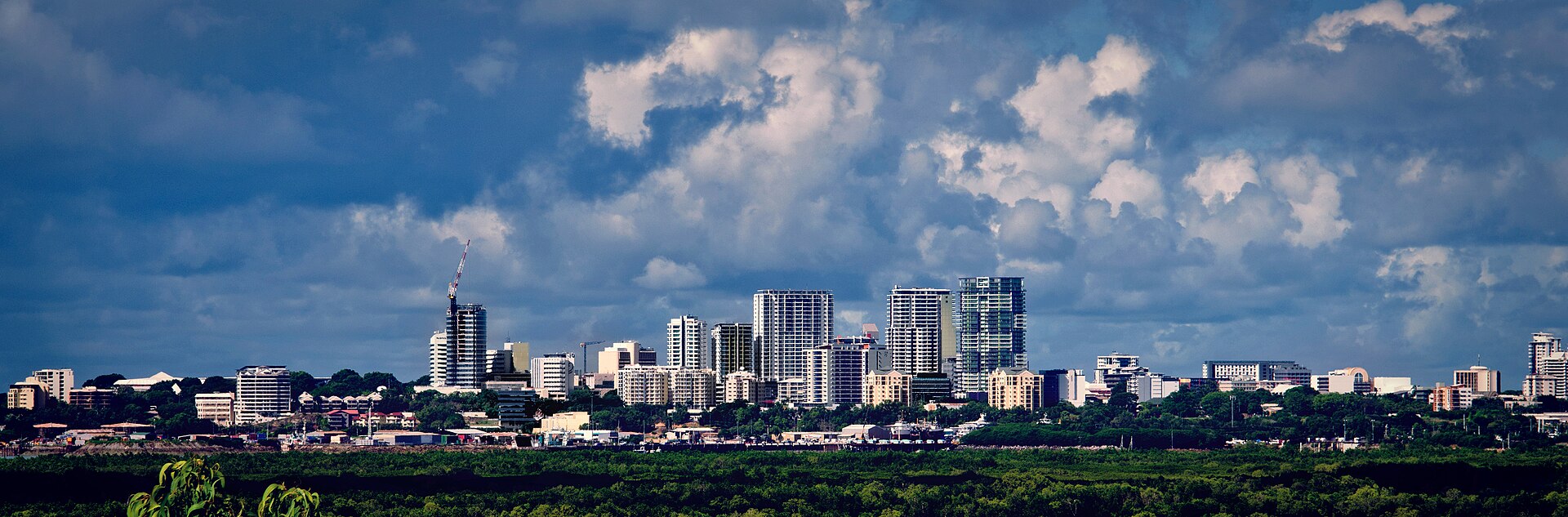
The Northern Territory has thrown its weight behind an idea that neatly captures the central tension of the AI age: the technology needs enormous amounts of electricity, and the Territory happens to be sitting on one of the largest untapped gas reserves in the country. In a move first reported by the ABC, the NT government has signalled it wants to use gas from the Beetaloo Basin to power a new generation of energy-hungry data centres, effectively pitching the Top End as a destination for the compute that trains and runs modern artificial intelligence.
The logic is straightforward enough. Training large AI models and serving billions of queries requires vast, always-on power, and data centre operators are scouring the globe for cheap, reliable and abundant energy. The Territory government argues it can offer exactly that, provided the Beetaloo comes online at scale. You can read the original ABC report here.
Why the Territory is chasing compute
For a jurisdiction with a small population and a narrow economic base built largely on resources, defence and tourism, the appeal of a data centre industry is obvious. These facilities represent long-lived capital investment, they anchor supporting infrastructure such as fibre and power, and they promise a class of high-value digital jobs that the Territory has historically struggled to attract and retain. The Country Liberal Party government, led by Chief Minister Lia Finocchiaro, has made unlocking the Beetaloo a centrepiece of its economic agenda, and framing the gas as feedstock for AI infrastructure gives that ambition a modern, forward-looking gloss.
The Beetaloo Basin, in the Territory’s remote centre near Daly Waters, is estimated to hold gas resources that could rival some of the biggest fields in the world. Companies including Tamboran Resources and Empire Energy have been working towards commercial production, and both federal and territory governments have at various points treated the basin as a strategic energy asset. Positioning that gas as the engine room for AI, rather than simply as an export commodity or a source of domestic heating, is a way of arguing the resource has a role even in a lower-carbon, digital future.
The case against
That argument does not sit comfortably with everyone. The Beetaloo has been one of the most contested resource projects in the country for years, and opening a new front around AI is unlikely to soften the opposition. Environmental groups such as the Environment Centre NT and the Protect Country Alliance have long warned that large-scale fracking in the basin would blow a hole in Australia’s emissions trajectory, given the scale of the reserves and the methane risks associated with unconventional gas. Attaching that gas to data centres, which are themselves a growing source of global emissions, strikes critics as compounding one climate problem with another.
There is also the question of Traditional Owner consent. Large parts of the basin sit on or near Aboriginal land, and groups representing Traditional Owners have repeatedly raised concerns about water contamination, cultural heritage and the pace at which approvals have moved. Any expansion tied to a shiny new AI narrative will have to reckon with those same objections, and campaigners are quick to point out that a data centre in Singapore or Sydney does not care whether its power came from Beetaloo gas or from firmed renewables. The demand for compute is real, but so is the choice about how to meet it.
Energy analysts add a more prosaic caveat. Data centre operators, particularly the hyperscale players that dominate the AI build-out, are under intense pressure from their own customers and shareholders to run on clean energy. Many have signed aggressive net-zero and 24/7 carbon-free commitments. A pitch built explicitly on fossil gas may find a narrower market than the Territory hopes, unless it is paired with carbon capture, offsets or a credible transition plan. Cheap power is necessary, but for the biggest buyers it is no longer sufficient on its own.
What it means for Australia
The Territory’s gambit lands in the middle of a national argument that is only getting louder. Australia is racing to attract AI and cloud infrastructure, with billions of dollars in data centre investment flowing into Sydney, Melbourne and increasingly into regional hubs. At the same time, the grid is straining, power prices remain a live political issue, and the country is trying to hold to its 2030 and 2050 emissions targets. The Beetaloo proposal forces a version of the question every state and territory is quietly wrestling with: where does the electricity for AI actually come from, and who bears the environmental cost.
For the Territory, there is a plausible upside beyond the data centres themselves. Reliable baseload power could support processing, critical minerals and other energy-intensive industries that Darwin has courted for years. Federal ambitions around sovereign AI capability and secure domestic compute also give the pitch a national security flavour, echoing arguments made elsewhere about keeping sensitive workloads on Australian soil. If the Territory can present itself as a place where compute can be built quickly and powered cheaply, it may find receptive ears in Canberra.
Yet the same national mood that prizes AI investment is also increasingly wary of its footprint. Communities from regional New South Wales to the outer suburbs have started pushing back on the water use, land take and energy draw of large data centres, and gas-fired AI gives that scepticism an easy target. The Territory is betting that abundant, dispatchable power will win the day. Its critics are betting that the market, and the regulators, will demand something cleaner.
What is next
Turning a headline ambition into operating facilities is a long road. It depends on Beetaloo production reaching commercial scale, on gas-fired or hybrid generation being built, and on data centre developers deciding the Territory’s cost and connectivity advantages outweigh the reputational and regulatory risk of fossil-powered compute. Each of those steps carries its own approvals, its own community consultation and its own financing hurdle. Expect environmental challenges, Traditional Owner negotiations and hard questions about emissions accounting to shadow the project at every stage.
What the announcement does achieve, immediately, is to plant a flag. The Territory is telling investors it is open for AI business and willing to use its most controversial resource to seal the deal. Whether that flag attracts the hyperscalers or simply reignites the Beetaloo fight in a new arena will become clear over the coming year, as the numbers, the approvals and the buyers are put to the test.
Sources: ABC News.


