The line between a commercial software startup and a defence contractor is getting blurrier by the month, and a newly announced Canadian summit is betting that founders and investors want a dedicated place to stand on it. SAAS NORTH AI and defence firm Dominion Dynamics have unveiled DEPLOY, described as a dual-use defence-tech summit built specifically for company builders and the capital that backs them, rather than the primes and procurement officials who usually dominate the sector’s calendar.
The pitch, laid out in the announcement carried by Yahoo Finance Australia, is that the software talent solving hard problems in logistics, cybersecurity, autonomy and data is exactly the talent modern militaries now need, but the two worlds rarely meet on comfortable terms. DEPLOY positions itself as the connective tissue: a room where a founder who has never touched a defence contract can understand how their product might qualify as dual-use, and where investors nervous about the sector’s long sales cycles can size up the opportunity.
Why “dual-use” has become the phrase of the moment
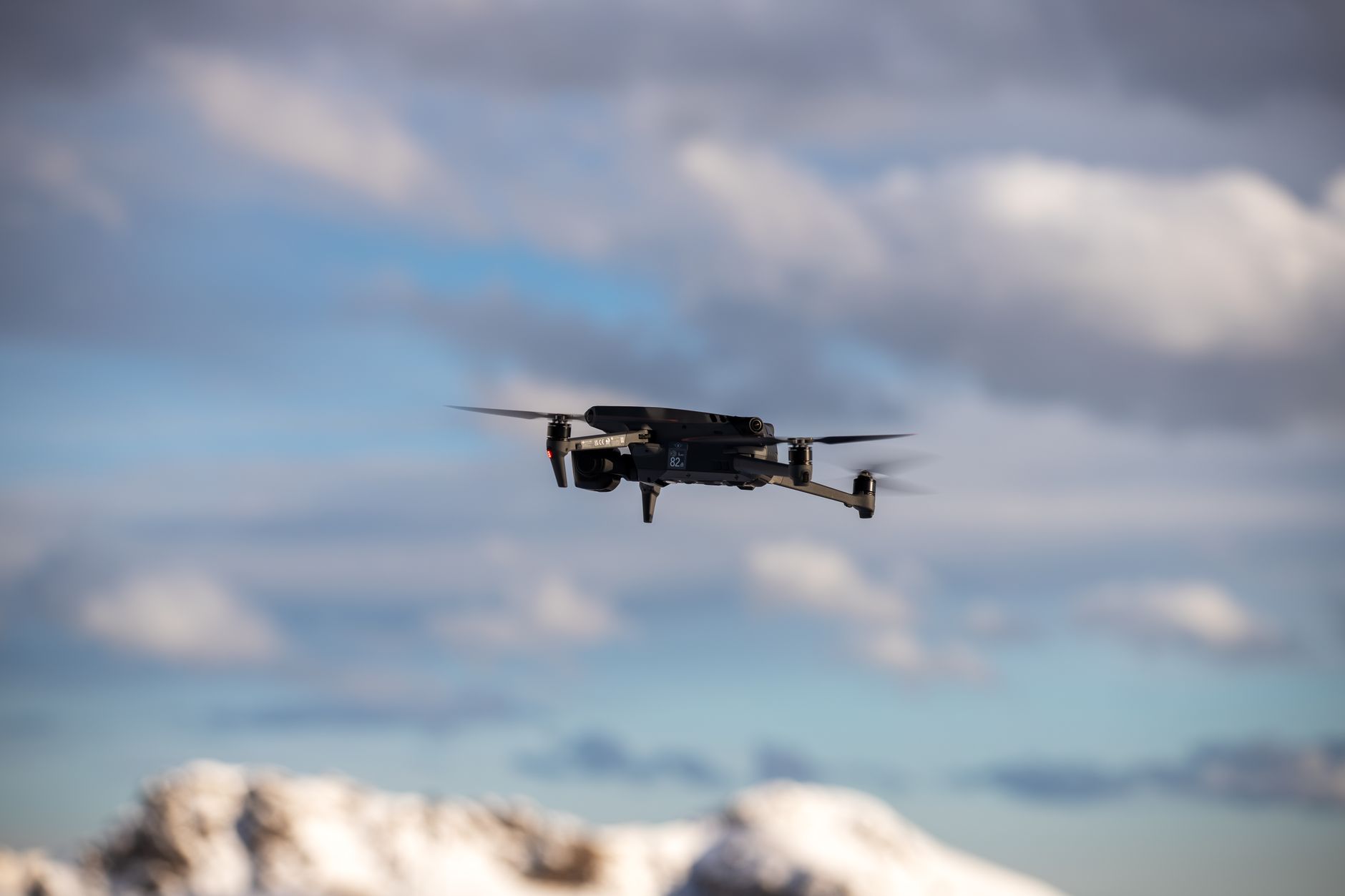
Dual-use is the idea that a single technology can serve both civilian and military ends. A drone that inspects wind turbines can also survey a battlefield. A machine-learning model that flags fraud in banking can also sift signals intelligence. For most of the past two decades, Silicon Valley and its imitators kept defence at arm’s length, wary of both the ethics and the glacial pace of government buying. That reluctance has cracked. The war in Ukraine showed how quickly cheap, commercially derived technology can reshape a conflict, and a wave of venture money has followed into companies that would once have been considered untouchable.
DEPLOY is riding that shift. By marrying SAAS NORTH, one of Canada’s better-known software conferences, with a defence operator in Dominion Dynamics, the organisers are signalling that they want the summit to feel native to founders rather than to the traditional defence-industry crowd. The framing matters, because the biggest barrier for a young company is rarely the technology. It is understanding the compliance, export-control and security-clearance maze that surrounds anything with a military application, and knowing whether the payoff is worth the years it can take to land a first government order.
Two ways to read the launch
Supporters of this model argue that defence has an innovation problem it cannot solve on its own. The primes are good at delivering enormous, decade-long programs, but slow at absorbing the kind of iterative software that now decides who has the edge. Pulling startups into the tent earlier, and giving investors confidence that there is a viable path to revenue, is how democracies keep their technological lead. On that reading, a founder-first summit is overdue, and the more of them the better.
Sceptics see reasons for caution. Defence budgets are political and lumpy, procurement remains punishingly slow whatever the marketing says, and a glossy summit does not change the fundamentals of a market where a single customer can take years to commit. There is also an ethical dimension that founders and their staff care about. Plenty of engineers signed up to build consumer or enterprise software, and rebranding that work as dual-use does not automatically settle the question of whether they are comfortable with where it ends up. Events like DEPLOY will be judged less on the quality of their panels and more on whether the deals struck in the hallways actually close.
What it means for Australia
Australia is having almost exactly this conversation, just with different accents. Canberra has spent the past two years trying to shorten the distance between its startup ecosystem and its defence needs, spurred by AUKUS Pillar II, which is explicitly about advanced capabilities such as artificial intelligence, autonomy, quantum and hypersonics rather than submarines alone. The Advanced Strategic Capabilities Accelerator, the Defence Department’s innovation arm, exists to pull commercial and dual-use technology into service faster, and the government has repeatedly said it wants a broader base of local suppliers rather than dependence on a handful of overseas giants.
The commercial evidence is already here. DroneShield, listed on the ASX, has become one of the country’s clearest dual-use success stories, selling counter-drone systems to both government and commercial buyers. Anduril has stood up a substantial Australian operation building autonomous underwater vehicles for the Royal Australian Navy. Gilmour Space is chasing sovereign launch. Each of these sits on the same dual-use frontier that DEPLOY is trying to formalise, and each has run into the same friction: raising patient capital, navigating export controls under the Defence Trade Controls regime, and convincing a risk-averse buyer to move at start-up speed.
That is why a Canadian summit is worth an Australian glance. Canada and Australia are close comparators, both middle powers with strong software talent, deep resource economies and a structural reliance on larger allies for the biggest platforms. If a founder-and-investor-led model gains traction in Ottawa, it offers a template for the kind of events Australia’s own accelerators and venture funds could run, and a warning about the parts that are easy to stage but hard to convert into contracts. It also sharpens a question local investors keep circling: whether defence-tech is a durable category worth building a thesis around, or a moment inflated by geopolitics that will deflate once the headlines cool.
What’s next
The immediate test for DEPLOY is turnout and substance. A dual-use summit lives or dies on whether it draws genuine buyers and credible capital into the same room, not just founders pitching one another. If it works, expect the format to be copied quickly, including in Australia, where the appetite for a founder-friendly entry point into defence is plainly there and the official machinery is actively encouraging it.
For Australian founders weighing whether to plant a flag in this territory, the signal from DEPLOY is less about one event and more about direction. The dual-use market is professionalising, the money is arriving, and the intermediaries are starting to build the rooms where deals get done. Whether Australia builds its own versions of those rooms, or keeps sending its best defence-adjacent companies offshore to find them, is the choice that will shape how much of this wave the country actually captures.
Sources: Yahoo Finance Australia.