















































For years the pitch from IMEXHS has been simple to say and hard to prove: that a Brisbane-listed medical imaging company can sell artificial intelligence into hospitals across Latin America and turn those sales into steady, recurring revenue. A fresh contract with a Mexican hospital has given the company something it has been chasing for a while, a concrete example it can point to when it argues that the strategy is finally clicking.
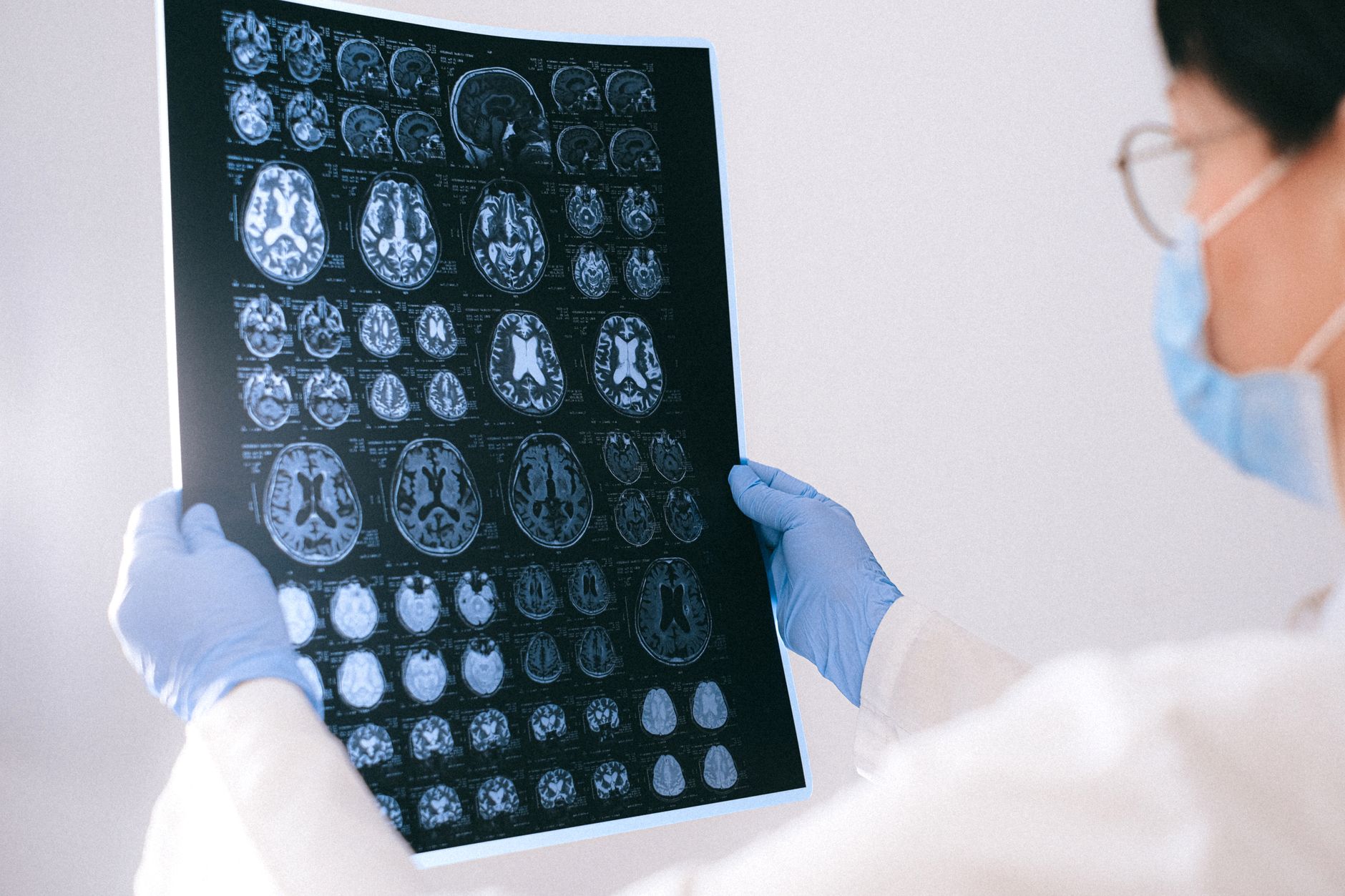
IMEXHS Limited (ASX:IME) is not a household name in Australia, and its business sits a long way from home. The company builds cloud-based software for radiology departments, the systems that store, move and help clinicians read medical images such as X-rays, CT scans and MRIs. Its core platform, Aquila, bundles image management with a growing layer of AI tools designed to flag abnormalities, speed up reporting and take some of the grunt work out of a radiologist’s day. Most of its customers are in Colombia, Mexico, Brazil and other Latin American markets, where demand for imaging is rising faster than the supply of specialists who can interpret it.
The news
The latest development, reported by Kalkine, is a hospital win in Mexico that the company frames as validation of its Aquila approach. The significance is less about the size of any single contract and more about what it represents. A hospital choosing an AI-enabled imaging platform, rather than a plain image-archiving system, suggests that buyers in these markets are willing to pay for the intelligence layer and not just the plumbing. For a company that has spent heavily building that layer, evidence of paying demand matters more than another logo on a slide.
The broader story is one of scaling. IMEXHS has been shifting its model away from selling software as a one-off licence and towards subscription-style arrangements, where hospitals pay on an ongoing basis and revenue compounds as more sites come on board. That transition is common across the software world, but it is slow and cash-hungry in the early years, because the upfront cost of winning and installing a customer arrives well before the recurring income catches up. Each new deal that beds down is therefore both a revenue event and a signal about whether the machine is starting to run more efficiently.
Two ways to read it
The optimistic reading is that IMEXHS is doing something genuinely difficult, embedding clinical AI into real hospital workflows in markets that larger players have largely ignored. If the company can prove the model in one Mexican hospital, the argument goes, it can repeat it across a region with chronic shortages of radiologists and a rapidly growing appetite for diagnostic imaging. In that view, the Mexican win is a template rather than a one-off, and the operating leverage that comes with software should eventually flow through to the bottom line.
The sceptical reading is more cautious. A single contract, however encouraging, does not prove that the strategy works at scale, and micro-cap health-tech companies have a long history of announcing promising deals that never quite translate into consistent profit. Currency swings across Latin America, long and unpredictable hospital procurement cycles, and the sheer cost of supporting AI tools that must be reliable enough for clinical use all sit on the other side of the ledger. Investors who have watched the sector will want to see the recurring-revenue line grow quarter after quarter before they treat any one announcement as a turning point.
Both readings can be true at once. Validation is real and useful, but it is the beginning of an argument rather than the end of one. The company’s own framing, that the Mexican hospital validates the Aquila strategy, is the kind of language that invites scrutiny precisely because it sounds so decisive.
Why it matters for Australia
The obvious question for an Australian audience is why a company whose customers are overseas trades on the ASX at all. The answer says something about how our market has become a listing home for health and technology businesses that operate almost entirely abroad. IMEXHS raises capital from Australian investors, reports to Australian regulators and answers to an Australian shareholder base, even as its revenue is earned in pesos and reais. That makes it a small but real test of whether the ASX can nurture globally focused AI companies rather than simply hosting them until a larger overseas buyer comes along.
There is a domestic parallel worth drawing too. Australia faces its own radiology bottleneck, with growing demand for scans and a limited pool of specialists to read them, especially outside the major cities. Local players such as Perth-based Artrya are pushing AI into cardiac imaging here, and the same logic that makes Aquila attractive in Mexico, using software to stretch scarce clinical expertise further, applies just as neatly to regional Queensland or the Northern Territory. IMEXHS is effectively running a live experiment in emerging markets that Australian health systems are watching from a distance, because the problems it is trying to solve are not unique to Latin America.
For the sector more broadly, the deal feeds into a live debate about whether clinical AI can be a business rather than a demonstration. Plenty of tools can spot an abnormality in a research setting. Far fewer have found a way to be paid for, deployed safely and supported over years inside a working hospital. Every company that manages that transition, wherever it happens, helps establish that medical AI can stand on commercial legs.
What’s next
The signal to watch is not the next contract but the numbers behind it. Recurring revenue, gross margins and cash burn will tell the real story of whether the Aquila strategy is scaling or simply accumulating announcements. If IMEXHS can show a run of wins that convert into growing subscription income without a matching blowout in costs, the Mexican hospital will look in hindsight like an early marker of a genuine inflection. If the recurring line stays flat, it will read as one more encouraging headline that did not move the business.
For now, the company has what it wanted, a customer it can hold up as proof that hospitals will pay for AI-assisted imaging. Turning that proof into a pattern is the harder task, and it is the one that will decide whether IMEXHS becomes a rare ASX-listed AI success story earned offshore, or another cautionary tale about the distance between a promising deal and a durable business.
Sources: Kalkine, via GNews.