

















































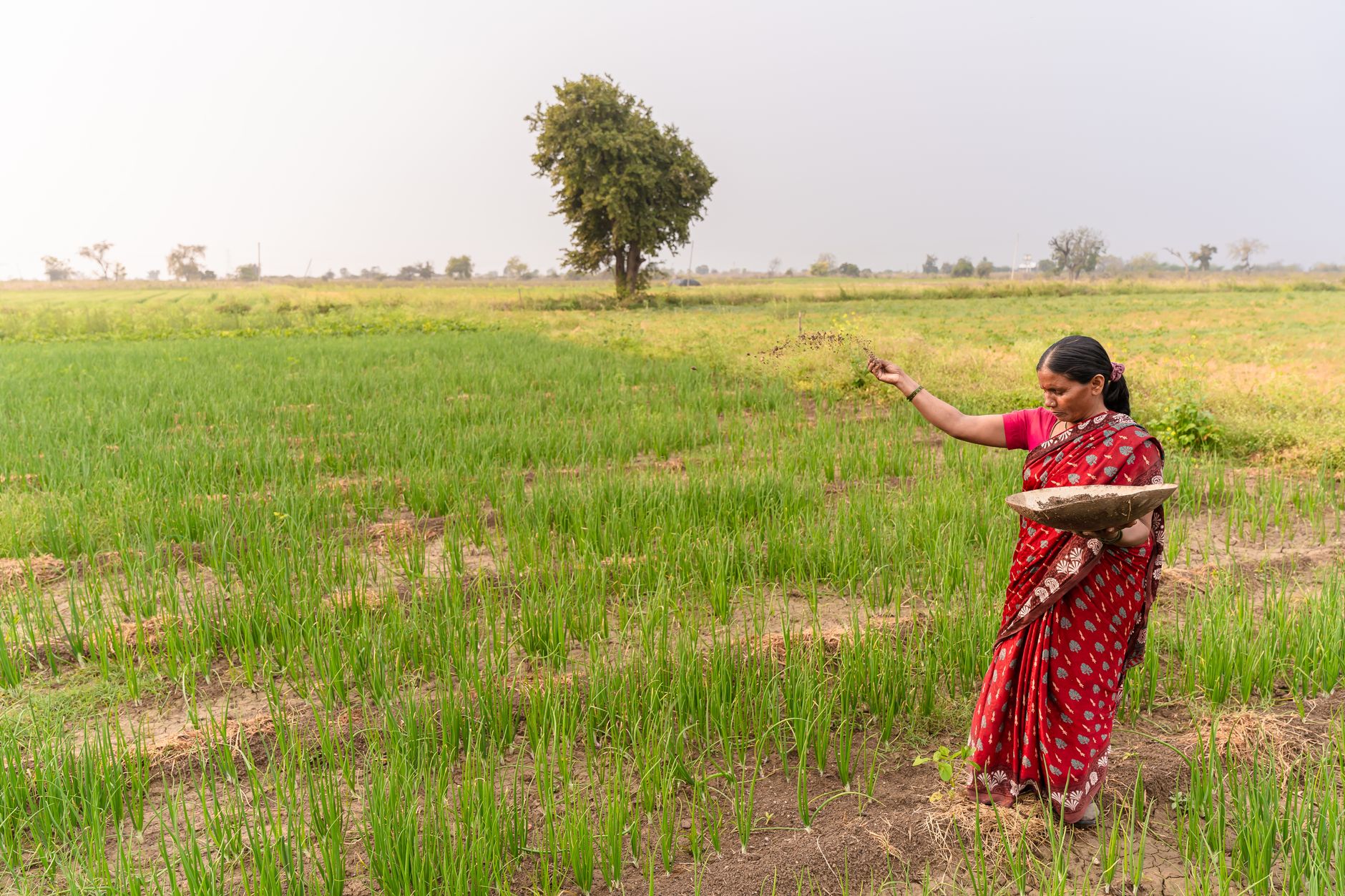
Women have always done more on the family farm than the ledgers ever recorded. They run the books, chase the paperwork, manage staff and compliance, raise children and increasingly work the land itself, often while holding down a second job in town to keep cash flowing through the lean years. Now artificial intelligence is being floated as a way to take some of that weight off their shoulders, and the pitch is landing at a moment when rural Australia is short of labour and heavy on red tape.
The idea, canvassed in a recent piece by The Canberra Times, is not that a chatbot will muster cattle or fix a fence. It is that the invisible administrative and cognitive labour that so often falls to women, the bookkeeping, the grant applications, the biosecurity records, the rostering and the endless email, is exactly the kind of repetitive work that modern AI tools are built to shoulder. Free up those hours, the argument runs, and you free up the person.
Why the load falls where it does
Anyone who has spent time in an Australian farming community knows the pattern. The 2021 Census and successive industry surveys have consistently shown women making up a large and growing share of the agricultural workforce, and an even larger share of the unpaid administrative and caring work that keeps a farm business viable. Much of that labour never appears on a payslip. It is done at the kitchen table after dark, between school pick-ups and stock work, and it is a well-documented contributor to stress and burnout across the sector.
That is the gap AI advocates say the technology can fill. Generative tools can draft a drought-assistance application in minutes rather than a lost weekend. Voice-to-text apps can log a chemical spray record from the ute without a woman having to sit down later and transcribe scrawled notes. Accounting software with AI layered on top can reconcile invoices, flag cash-flow problems early and prepare the numbers an accountant or bank manager wants to see. None of it is glamorous, but taken together it is the sort of grind that eats the hours women on the land say they do not have.
Two ways of seeing it
Supporters frame this as overdue recognition of work that has long been taken for granted. If a tool can absorb the compliance burden and the correspondence, they argue, it hands back time that can go into the paddock, the business or, just as importantly, into rest and family. There is a wellbeing case here as much as a productivity one, and it dovetails with a broader push in Australian agriculture to keep skilled people, and especially skilled women, in regional communities rather than watching them leave for the city.
The sceptics are not hard to find either, and their concerns are practical rather than ideological. The first is connectivity. Large parts of rural and remote Australia still limp along on unreliable mobile coverage and expensive satellite links, and an AI assistant that needs a stable internet connection is of limited use on a property where you have to stand on a particular rise to get one bar. The second is cost and confidence. Farm margins are thin, subscription fees add up, and there is real anxiety about handing sensitive financial and operational data to systems that many users do not fully understand. There is also the risk of over-reliance, of trusting an AI-generated summary of a grant condition or a biosecurity rule that turns out to be subtly wrong, with consequences that fall on the farmer, not the software vendor.
Both views can be true at once. The technology can genuinely lighten a load and still be out of reach for the households that would benefit most, which is precisely the tension that makes this an equity question rather than a simple efficiency story.
What it means for Australia
Agriculture remains one of the country’s economic anchors, and the sector has set itself the ambitious target of becoming a $100 billion industry by the end of the decade. Hitting that number depends on productivity gains at a time when farm labour is scarce and getting scarcer. If AI can quietly remove hours of administrative drag from tens of thousands of farm businesses, the aggregate effect is meaningful, and much of that benefit would flow through the women who do the work.
There is a rural development angle too. The Federal Government has poured money into regional connectivity through programs aimed at improving mobile and satellite coverage, and the case for that spending only strengthens if AI becomes a standard business tool on the land. Without decent bandwidth in the bush, these tools risk widening the very gap they promise to close, giving well-connected operators near the coast an advantage over those in the interior. That is a familiar story in Australian technology policy, and it is one Canberra will need to watch if it wants the benefits shared rather than concentrated.
The wellbeing dimension matters as well. Rural mental health has been a persistent national concern, driven by isolation, financial pressure and relentless workloads. Anything that measurably reduces the daily grind carried by women running farm businesses has a value that does not show up neatly in productivity statistics but is real all the same.
What happens next
The near-term test is adoption on the ground. Peak bodies, agricultural colleges and rural women’s networks are increasingly running digital literacy and technology sessions, and how well those reach time-poor women in remote areas will shape whether the promise translates into practice. Expect industry groups to keep pressing for the connectivity investment that makes any of this workable, and expect a healthy dose of scepticism from farmers who have heard technology sales pitches before.
The honest position is that AI is not going to carry the load on its own. But used carefully, on top of reliable infrastructure and with a clear-eyed sense of its limits, it could hand back something women on the land have been short of for a very long time, which is time itself.
Sources: The Canberra Times.


