















































For the better part of three years, the arrival of generative video tools has been framed as an existential threat to anyone who makes a living telling stories with pictures. If a laptop can conjure a moving image from a sentence, the anxious logic runs, then the editor, the cinematographer and the director are all one software update away from redundancy. A fresh piece of Australian research suggests that fear, while understandable, misreads how the technology actually behaves in the hands of people trying to make something good.
A study of Australia’s first AI film festival, reported by industry title Mi-3, reaches a conclusion that will reassure a lot of nervous creatives: the tools do not make the work, the people do. Across the entries, what separated a memorable film from a forgettable one was not access to the newest model or the biggest compute budget. It was intention, judgement and, in the study’s memorable phrasing, the willingness to run hundreds of prompts until the result matched the vision in someone’s head.
The context
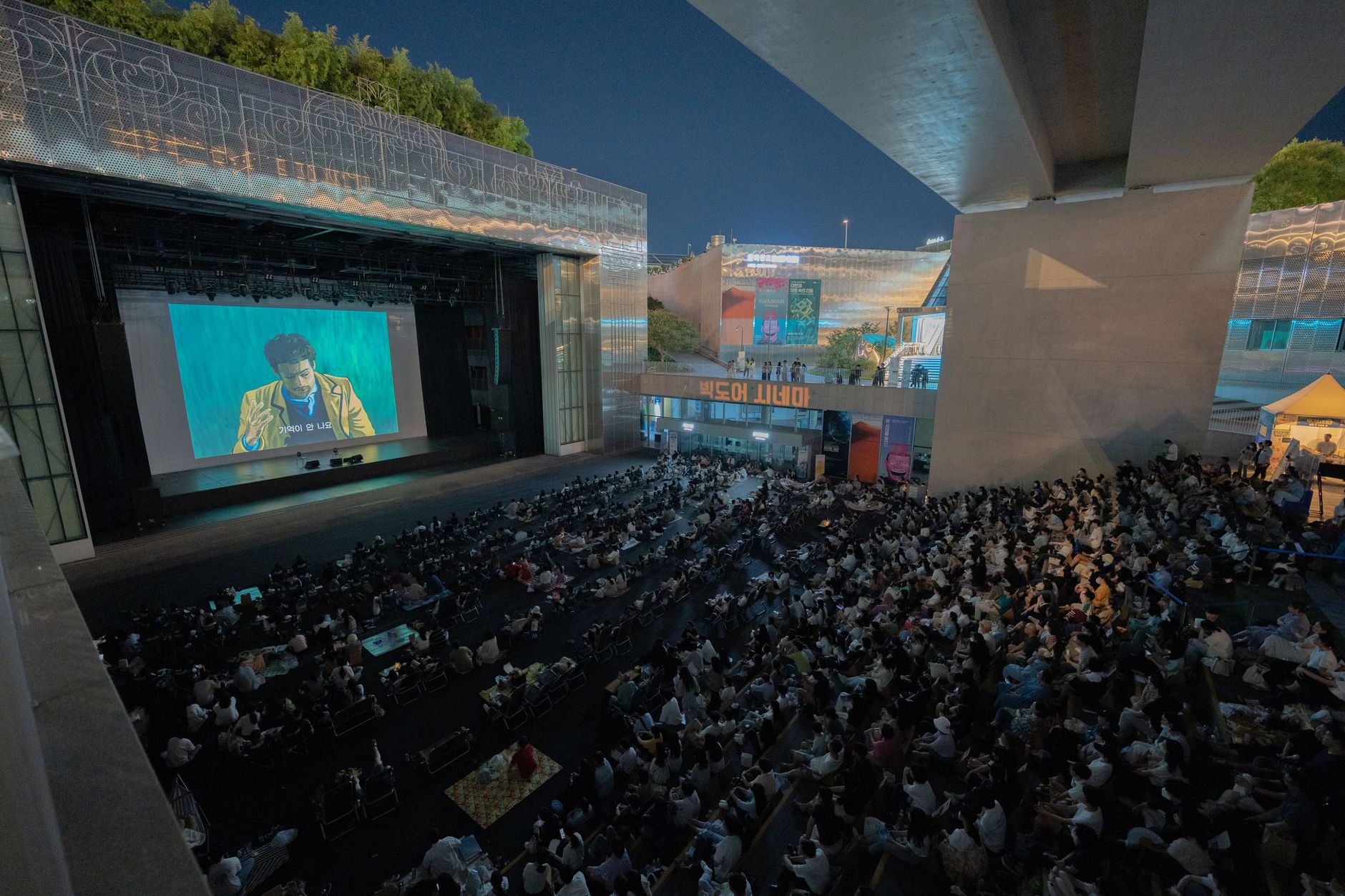
The festival itself marks a small milestone. Australia has never before held a competitive showcase dedicated to films made with generative AI, and the format forced a question the broader industry has been circling for months. When the barrier to producing a slick-looking sequence collapses, what is left to compete on? If everyone has the same text-to-video engine, the same image generators and the same editing suites, where does the difference come from?
The answer the research lands on is an old-fashioned one. Craft. The films that resonated were made by people who knew what they wanted before they typed a word, who could tell the difference between a shot that was merely impressive and one that served the story, and who kept refining long after a casual user would have called it finished. The technology lowered the cost of a first attempt to almost nothing, but it did not lower the cost of taste.
The news
The study’s headline finding is that talent trumps tools. On the surface that sounds like a platitude, but the detail is where it earns its keep. The strongest entries were not the ones that leaned hardest on automation. They were the ones where a human made hundreds of small decisions: which prompt to keep, which frame to cut, which almost-right result to throw away and start again. The generative model was a collaborator that never tired and never got it quite right on its own, and the human sitting beside it was doing the same job a director has always done, which is exercising judgement under uncertainty.
That reframing matters because it changes the debate from replacement to leverage. A talented filmmaker with these tools can now attempt scenes that would once have required a crew, a location and a budget they never had. A person with no eye and no patience still produces something flat, no matter how good the model is. The gap between the two, if anything, widens.
Two ways to read it
There are, broadly, two camps forming around results like these. The optimists see a democratisation story. Generative tools hand a solo creator in a regional town the same visual palette as a well-funded studio, and the festival proved that a compelling idea can travel a long way on very little money. On this view, the technology is the great equaliser the internet promised to be and never quite delivered for film, where production costs kept the gates firmly shut.
The sceptics are less convinced the news is entirely good. They point out that if hundreds of prompts and hours of iteration are what separates the best work from the rest, then the promise of effortless creation was always a marketing fiction. The labour has not disappeared, it has changed shape, and it still rewards the people who already had time, skill and taste. There is also the unresolved question of the material these models were trained on, much of it the work of human artists who were never asked and never paid. A festival that celebrates the output can look, from one angle, like a celebration of that unacknowledged debt. Both readings can be true at once, and the study does not pretend to settle the argument.
What it means for Australia
For the local screen sector, the findings arrive at a delicate moment. Australia’s film and television industry has spent years lobbying for content quotas, tax incentives and protections against being hollowed out by offshore streaming giants. Generative AI adds a new pressure on top of that, and the instinctive response from many working professionals has been fear for their livelihoods. Research suggesting that human judgement remains the scarce and valuable ingredient offers a more constructive place to stand.
It also carries a practical lesson for training and funding bodies. If the differentiator is craft rather than software licences, then the money and effort should flow towards developing storytellers, not just handing out access to tools. Australian screen schools, arts organisations and the agencies that back them have an opening to position local creatives as the ones who bring the intention and the judgement that the machines cannot. That is a competitive advantage worth protecting, and it plays to a strength the country already has, given the outsized global footprint of Australian directors, editors and effects houses relative to the population.
There is a policy dimension too. As governments here wrestle with copyright, disclosure and the ethics of training data, a festival that puts human authorship back at the centre of the conversation is a useful counterweight to the narrative that AI simply makes creators obsolete. It suggests the regulatory questions are less about whether people will still make films and more about how the value they add gets recognised and rewarded.
What’s next
The obvious next step is a second edition, and with it a chance to test whether the first year’s lessons hold as the tools keep improving. The models are getting better at consistency, at longer sequences and at following complex instructions, which will only raise the ceiling on what a determined creator can attempt. Whether that also raises the floor, lifting the average entry rather than just the best one, is the question the next study will need to answer.
For now, the takeaway is a hopeful one for anyone who has watched the rise of generative video with a knot in their stomach. The tools are extraordinary, but they still wait for a human to decide what is worth making. On the evidence of Australia’s first AI film festival, that decision remains the whole game.
Sources: Mi-3.