































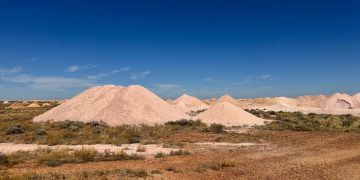





The artificial intelligence boom is usually pictured as a story about silicon and software: Nvidia’s graphics chips, hyperscale cloud platforms, and the handful of American giants pouring tens of billions of dollars into ever-larger models. Yet a quieter argument is gaining ground on the local market, and it points in an unlikely direction. According to The Australian, some of the market’s oldest and least glamorous businesses, the miners that dig copper and the metals that carry and store electricity, are shaping up as durable winners of the same wave.
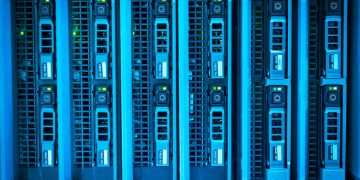
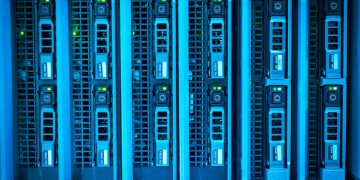
The logic is less about the models themselves and more about what runs them. Every large AI system lives inside a data centre, and every data centre is a physical thing: racks of servers, kilometres of cabling, transformers, cooling systems and a voracious appetite for electricity. That hardware has to be built and it has to be powered, and both of those requirements run straight back to the ground. In the framing that has become popular among resources investors, if AI is the gold rush, then the companies selling picks and shovels sit one layer beneath the software, in the pits and processing plants that supply the raw material.
The copper thesis
Copper sits at the centre of the case. It is the metal that moves power efficiently, and a data centre is essentially a very large, very dense electrical load. As the world adds computing capacity on a scale that would have seemed fanciful a few years ago, the copper intensity of that build compounds: more servers, more power distribution, more grid upgrades to feed the whole thing. The same pressure applies to the metals used in batteries and grid storage, because AI campuses need reliable, round-the-clock electricity, and reliability increasingly means firming intermittent renewable supply with storage.
For the ASX this is a comfortable story to tell, because Australia is not a bystander in these commodities. The country is a major producer of the inputs that a global computing build-out consumes, and the largest names in the resources index have spent years positioning around copper and so-called future-facing metals. BHP has been explicit about copper as a growth pillar, and a string of mid-tier producers and explorers are leveraged to the same theme. The pitch to investors is that you do not need to pick which AI model wins, or even which cloud provider captures the most demand, to benefit from the trend. You simply need the electrons to keep flowing, and the metal that carries them to keep selling.
Two ways to read it
Not everyone is convinced the link is as clean as the headline suggests, and the sceptical case deserves a hearing. Commodity prices are notoriously cyclical and are driven by far more than any single source of demand. Chinese construction, global interest rates, the pace of the energy transition and plain old supply disruptions all move the copper price around, often violently. A data centre boom might add a meaningful new pillar of demand over a decade, but it competes for attention with forces that can swamp it in any given quarter. There is also a genuine question about timing: AI capital expenditure plans are enormous on paper, yet analysts remain divided on how much of the announced spending will actually be delivered, and how quickly.
The more bullish reading is that this is precisely why traditional miners are attractive rather than despite it. Unlike a speculative software play, a producing copper mine generates cash today, pays dividends, and carries a valuation grounded in physical output rather than a narrative about future adoption. If the AI build-out delivers even a fraction of the demand its promoters expect, the argument goes, established producers capture the upside without the fragility of a pure technology bet. The counterweight is that mining is capital-hungry and slow: new copper supply takes many years and billions of dollars to bring online, so the sector cannot flex to meet a demand spike the way a chip fabricator eventually can.
What it means for Australia
For Australia the framing matters because it reconnects two stories that are often told in isolation. The national conversation about AI has fixated on data centres, energy strain and the risk that the country becomes a consumer of overseas technology rather than a builder of it. FluentSea has covered the warnings about an energy collision course between AI ambitions and the grid, and the world-first attempt to write data centre energy rules. The miners’ angle flips that anxiety into an opportunity. If the global build-out needs enormous volumes of copper, storage metals and the materials that firm renewable power, then a resource-rich economy is well placed to sell into it regardless of where the servers ultimately hum.
That is not a licence for complacency. Australia’s advantage in the ground is real, but capturing more than the raw-material margin depends on decisions that sit outside any mine plan: whether the country invests in downstream processing rather than shipping concentrate offshore, whether approvals keep pace with demand, and whether domestic energy policy lets both data centres and mines run affordably. There is a strategic dimension too, given how much attention has landed on critical minerals and sovereign capability. A world that treats copper and battery metals as inputs to the computing arms race is a world that treats Australian resources as strategic assets, with all the scrutiny and negotiating leverage that implies.
What is next
The near-term test is whether the demand narrative shows up in the numbers. Investors will be watching copper prices, the capital expenditure guidance from the global hyperscalers, and the production and exploration updates from local producers through the coming reporting cycles. If AI spending holds up and copper supply stays tight, the case for the old economy quietly funding the new one gets stronger. If the AI capex plans are trimmed, or if a slowdown elsewhere drags commodity prices down, the miners will feel it like they always have.
The broader point is a useful corrective to a market that can get lost in the software layer. The AI boom is not only a contest of algorithms and cloud platforms. It is also, stubbornly, a business of metal, power and dirt, and on that ground Australia has been operating for a very long time.
Sources: The Australian.