

















































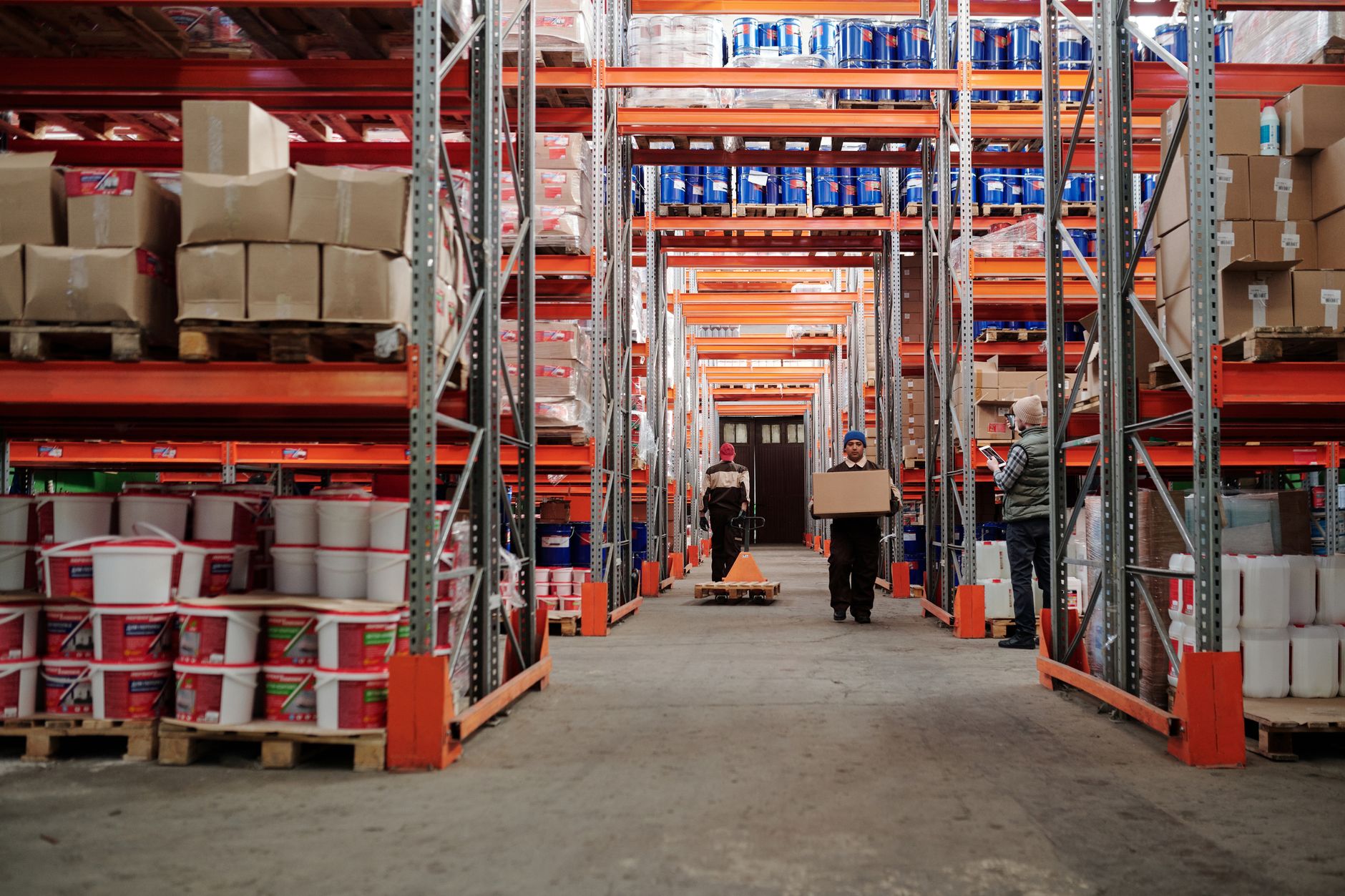
For most Australians, the machinery behind a same-day delivery or a well-stocked supermarket shelf is invisible. Behind it sits an enormous property engine: distribution centres on the fringes of Sydney and Melbourne, cold-storage sheds near ports, and the shopping centres that still anchor suburban retail. That engine is now being rewired by a newer, more autonomous class of software, and the change is happening faster than most tenants and landlords let on.
The trend was set out this week in a piece published by CommercialRealEstate.com.au, which argues that agentic AI is beginning to reshape how retail and logistics property is planned, leased and run. The framing matters because it moves the conversation past the familiar story of chatbots and marketing copy, and into the far less glamorous world of forklifts, dock schedules and lease renewals, where the dollars in Australian commercial property actually live.
What “agentic” actually changes
The distinction worth understanding is the one between a tool that answers questions and a system that takes action. Generative AI, the kind most people met through ChatGPT, produces text or images when prompted. Agentic AI is designed to pursue a goal across multiple steps, calling on data, software and sometimes other agents to get there, and it can act without a human pressing the button at every stage.
In a warehouse, that difference is concrete. A conventional analytics dashboard might flag that a picking zone is running slow. An agentic system is meant to notice the same signal, reroute orders to a faster zone, adjust the labour roster for the next shift, and flag a reorder to a supplier, all before a manager has finished their coffee. In retail leasing, the promise is that an agent can sift tenant sales data, foot-traffic patterns and market rents to recommend which stores to renew, which to reprice and which to let go, rather than leaving that to a quarterly spreadsheet review.
None of this is science fiction, but nor is it fully arrived. Most Australian operators are somewhere on a spectrum between careful pilots and genuine production use, and the gap between a slick demonstration and a reliable system running an $800 million logistics estate is still wide.
Why property, and why now
Industrial and logistics property has been one of the strongest performers in Australian commercial real estate over the past few years, driven by the growth of online shopping and the scramble to shorten supply chains after the pandemic. Vacancy in prime industrial space has been historically tight in the eastern states, and rents climbed sharply. That success created a problem worth automating: expensive space has to work harder, and squeezing more throughput out of the same footprint is now a competitive necessity rather than a nice-to-have.
Retail sits in a different but related bind. Physical stores are under pressure to justify their floor space against online channels, and landlords increasingly want to understand not just whether a tenant pays rent, but how productively that tenant uses the space. Agentic systems are being pitched as the way to connect those dots continuously, rather than in the rear-view mirror.
Two views on how fast this goes
Optimists in the property and technology sector argue that agentic AI is the logical next step for an industry already comfortable with automation on the warehouse floor. Robotics, conveyor intelligence and video analytics are already common in Australian sheds, and layering a decision-making agent on top is presented as a natural evolution that lifts productivity without adding headcount. On this reading, the operators who move early will lock in lower costs and better-utilised space, and the laggards will feel it in their margins.
The more cautious view is that autonomy raises the stakes of getting things wrong. A recommendation engine that suggests a bad reorder is an inconvenience; an agent that actually places the order, reshuffles a roster or signs off on a leasing decision can cause real damage before anyone notices. Property is also a business built on relationships, long leases and legal obligations, and handing consequential calls to software raises hard questions about accountability. Australian research has repeatedly found that trust is the binding constraint on AI adoption, and commercial real estate, with its conservative institutional owners and superannuation-backed capital, is unlikely to be an exception.
The Australian stakes
For Australia specifically, the story lands on top of a set of local pressures. The logistics network here has to cover enormous distances with a relatively small population, which makes efficiency gains unusually valuable and inefficiency unusually expensive. Every percentage point shaved off warehousing and transport costs flows through to the price of groceries and goods in a country where the cost of living is already a live political issue.
There is a workforce dimension too. Logistics and retail are among the country’s largest employers, and agentic systems that take over scheduling, routing and stock decisions will change what those jobs involve. The likeliest near-term outcome is not wholesale replacement but a reshaping of roles, with fewer people doing manual coordination and more overseeing the systems that now do it. That shift will demand retraining, and it will test whether Australia’s skills pipeline can keep pace, an area where recent national reviews have found the response fragmented.
Data infrastructure is the other quiet constraint. Agentic systems are hungry for compute and for clean, connected data, and Australia is already wrestling with the energy demands of new data centres and the regulatory settings around them. A surge in AI running the country’s supply chains will only sharpen those questions about where the power and the servers come from.
What’s next
The realistic near-term picture is incremental rather than revolutionary. Expect more Australian logistics operators and retail landlords to expand agentic pilots into specific, well-bounded tasks where a mistake is cheap and easy to reverse, before trusting the software with anything that touches a lease or a large order. Vendors will keep pushing the capability, and the property owners with the deepest data and the best governance will be positioned to benefit first.
The interesting tension to watch is between speed and control. The commercial logic points towards more autonomy, because that is where the cost savings are. The institutional caution of Australian property, and the reputational risk of an agent making an expensive mistake in public, points the other way. How individual operators resolve that tension over the next couple of years will say a lot about whether agentic AI becomes the backbone of Australian retail and logistics property, or just another tool in the shed.
Sources: CommercialRealEstate.com.au.