
















































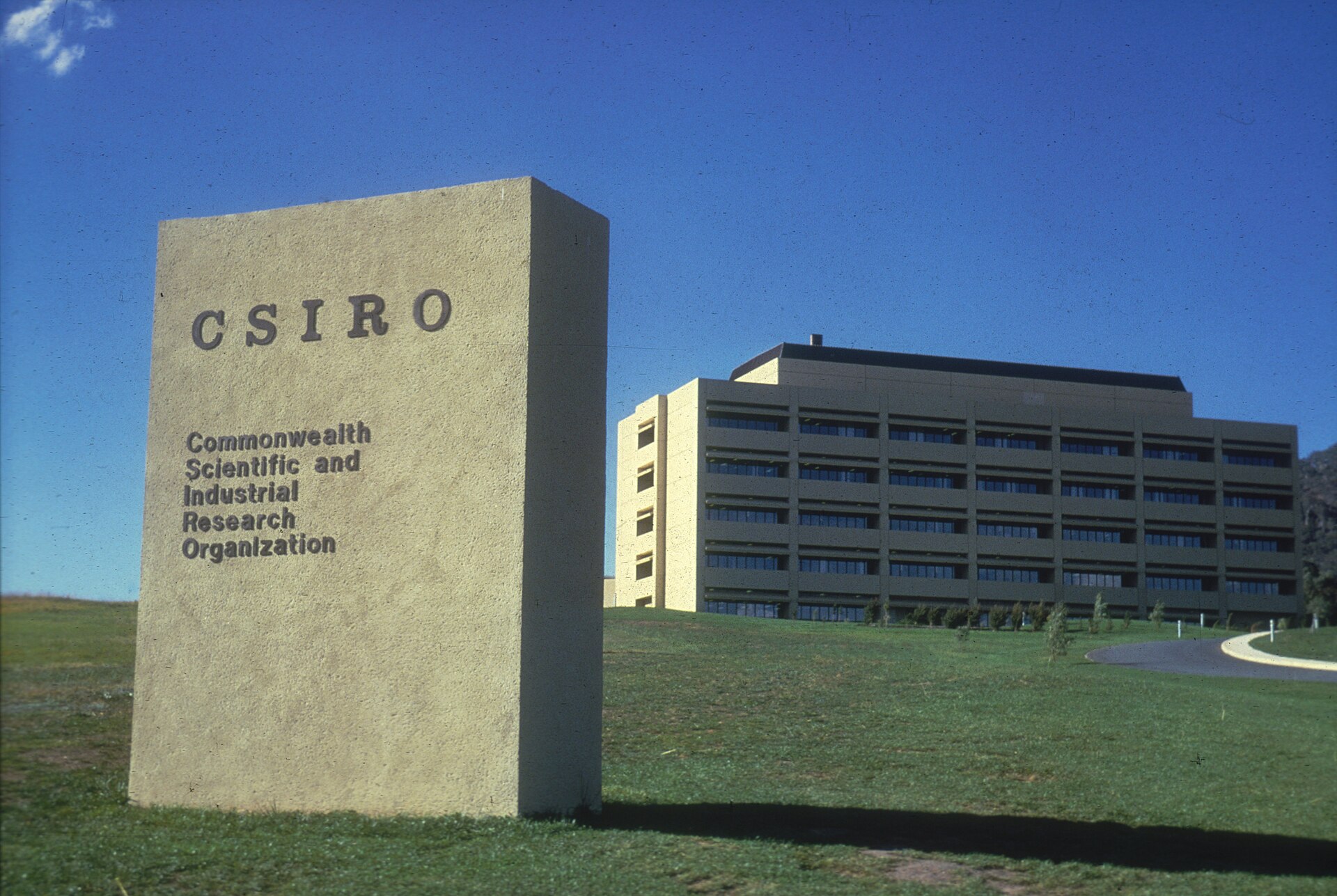
Australia’s national science agency is once again shedding staff, and this time the Commonwealth Scientific and Industrial Research Organisation has put a particular justification on the table: the money saved will be redirected into hiring specialists in artificial intelligence and quantum technology. It is a framing that recasts a painful round of redundancies as a deliberate pivot towards the research fields the organisation believes will define the next decade.
According to a report by InnovationAus, CSIRO has positioned the latest cuts as a reshaping of its workforce rather than a simple cost reduction, arguing that letting go of some roles will make room for new talent in the areas it considers strategically critical. For an institution that has spent much of the past two years managing successive waves of restructuring, the message is designed to signal direction and priority rather than retreat.
The context behind the cuts
CSIRO is not a small operation. It employs thousands of researchers and support staff across sites that stretch from Canberra and Clayton in Melbourne’s south-east through to Perth, and its work touches everything from agriculture and climate science to radio astronomy and advanced manufacturing. It also sits at an awkward intersection of government funding, commercial revenue and competitive research grants, which means that when budgets tighten the pressure shows up quickly in headcount.
Over the past couple of years the agency has already run through several rounds of job reductions, citing a mix of flat government appropriations, rising costs and shifting research priorities. Each round has drawn criticism from staff and their representatives, who argue that repeated cuts erode institutional knowledge that takes years, sometimes decades, to rebuild. The newest reductions land in that same contested environment, which is why the AI and quantum rationale matters: it is an attempt to answer the obvious question of why an organisation would cut scientists while claiming to invest in science.
What the agency is actually saying
The logic CSIRO is putting forward is one of substitution. By trimming roles in areas it judges to be lower priority or over-resourced, it says it can fund new positions in artificial intelligence and quantum, two fields where demand for skilled people far outstrips supply and where salaries are correspondingly steep. In that reading, the agency is not shrinking so much as rebalancing, moving money from legacy capability towards the capabilities it believes will matter most to Australian industry and government.
It is a defensible argument on paper. AI and quantum are genuinely strategic, and CSIRO’s own Data61 arm has long been one of the country’s larger concentrations of applied AI expertise. Quantum, meanwhile, has become a national talking point, with significant public investment flowing into companies such as PsiQuantum in Brisbane and a broader ambition to make Australia a serious player in the field. Positioning CSIRO as a hub for both aligns neatly with the Commonwealth’s stated economic priorities.
The counter-view from staff and unions
Not everyone accepts the trade-off. The Community and Public Sector Union, which represents many CSIRO employees, has been consistently critical of the agency’s restructuring and has argued that framing redundancies as a path to future hiring glosses over the human cost and the loss of irreplaceable expertise. The concern is that the people being let go and the people being recruited are not interchangeable, and that gutting established programs to chase fashionable fields risks hollowing out the broad research base that makes an organisation like CSIRO valuable in the first place.
There is also a credibility question. Staff who have lived through multiple rounds of cuts are understandably wary when each new reduction arrives with a reassuring story about reinvestment. If the promised AI and quantum roles do not materialise in the numbers suggested, or if they are filled by contractors and short-term hires rather than permanent researchers, the net effect is simply a smaller agency. The gap between the announcement and the outcome is where trust is won or lost, and CSIRO’s recent history gives sceptics plenty of reason to wait and see.
Why it matters for Australia
CSIRO is not just another employer. It is the institution that gave the world fast wireless networking, developed the polymer banknote and has underpinned decades of Australian agricultural and industrial advances. When it reshapes its workforce, it is effectively making a bet on where the country’s publicly funded science should be pointed. A deliberate tilt towards AI and quantum is a statement that Canberra, through its national agency, wants to compete in the technologies that will shape the global economy.
The risk is that the bet is made by subtraction rather than addition. In most comparable countries, a push into AI and quantum has been funded by fresh money on top of existing research budgets, not by cannibalising other programs. If Australia is relying on its flagship agency to fund its technological future out of its own redundancies, that says something uncomfortable about the level of ambition behind the rhetoric. It also raises the stakes for the fields being wound back, because climate modelling, agricultural science and health research do not become less important simply because quantum is more exciting.
For the broader local technology sector, there is a double edge. A better-resourced AI and quantum capability inside CSIRO could seed partnerships, spin-outs and skilled graduates that benefit startups and larger firms alike. But a national science agency in a state of near-permanent restructuring is a less reliable partner, and the uncertainty filters through to the universities, companies and government departments that collaborate with it.
What happens next
The immediate question is one of numbers. How many roles are going, how many AI and quantum positions will replace them, and over what timeframe, will determine whether this is genuine rebalancing or a cut dressed in strategic language. CSIRO chief executive Doug Hilton has spent his tenure arguing for a more focused agency, and this latest move fits that agenda, but the detail will be scrutinised closely by staff, unions and the parliamentarians who oversee the organisation’s funding.
Expect the union to keep pressing for transparency on exactly which programs are affected, and expect the government to face questions about whether its enthusiasm for AI and quantum is backed by real investment or merely by reallocation. For now, CSIRO has made its pitch. Whether the promised hires arrive, and whether they justify what is being lost, is the story worth watching through the coming year.
Sources: InnovationAus (via GNews).



