










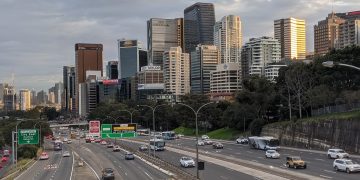
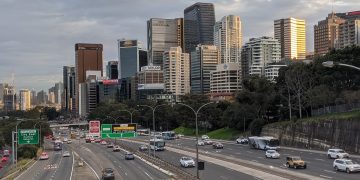





















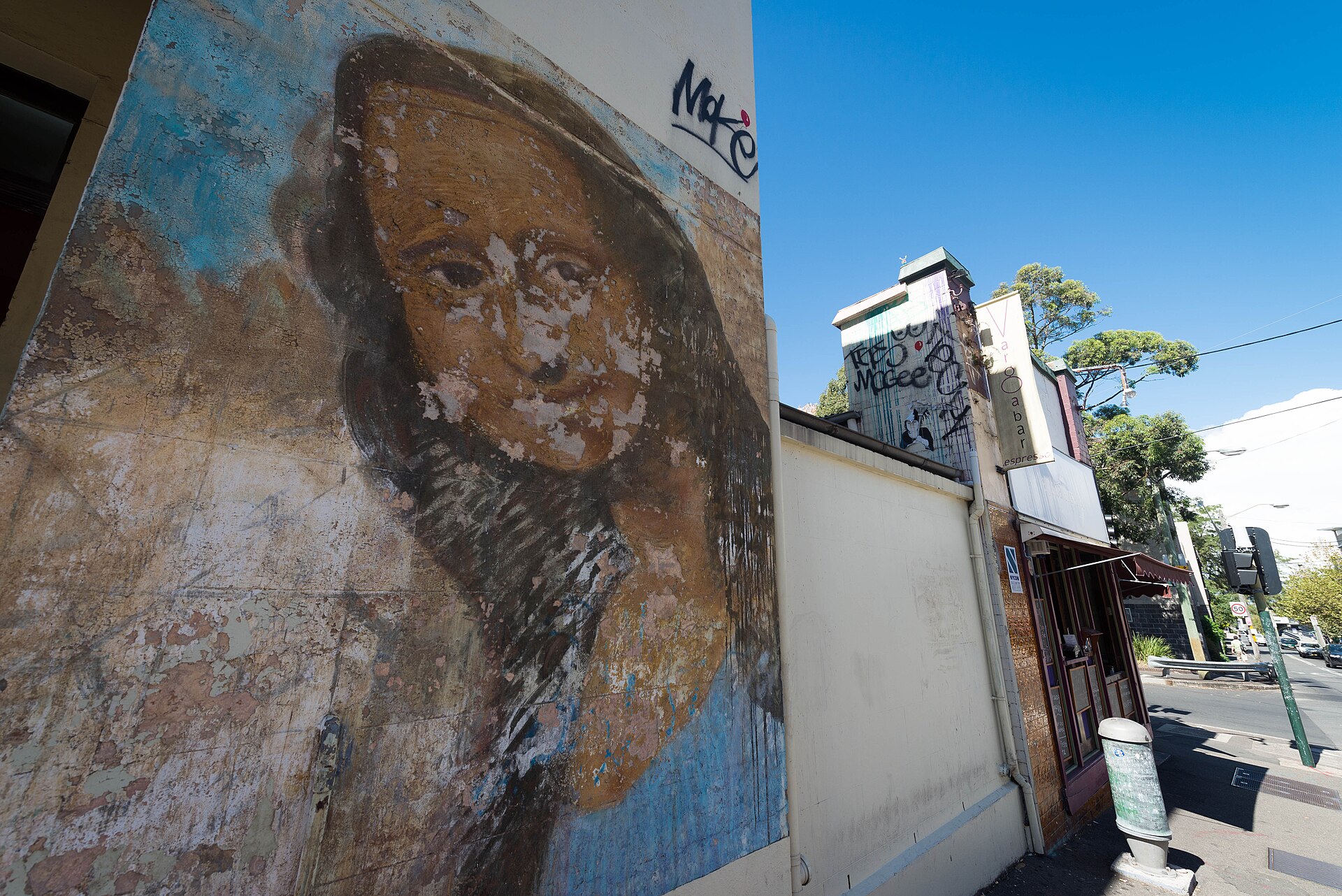
The fight over who gets to feed Australian creativity into artificial intelligence systems is no longer confined to boardrooms, courts and Senate committee rooms. It has landed squarely on the streets of Sydney’s inner west, where a community of painters, writers, musicians and designers is mobilising against a proposal that could hand AI developers broad access to their life’s work.
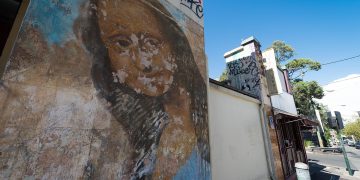
Artists based in and around the federal electorate of Grayndler, which takes in the creative heartlands of Newtown, Marrickville, Leichhardt and Annandale, have begun organising against what they describe as a looming threat to their livelihoods. The concern centres on a push to loosen Australia’s copyright rules so that machine-learning models can be trained on existing creative material. For a part of Sydney where studios, galleries, live-music venues and small publishers sit cheek by jowl with cafes and warehouses, the stakes feel distinctly local, even though the policy question is national.
The context: a proposed carve-out for AI
The flashpoint is the idea of a “text and data mining” exception, a legal change that would permit the copying of copyrighted works for the purpose of training AI, without the creator’s consent and, in many versions of the proposal, without payment. The concept gained fresh prominence when the Productivity Commission canvassed options for easing copyright barriers to AI development as part of its broader work on lifting national productivity. Supporters argue that without such flexibility, Australia risks falling behind in a technology race that is reshaping entire industries.
Creators see it very differently. To them, an exception of this kind would legitimise the wholesale ingestion of books, songs, paintings and photographs into commercial AI products that can then generate competing material at scale and at a fraction of the cost. The worry is not abstract. Generative tools already produce images, prose and music in seconds, and much of that capability was built by learning from human-made work scraped from the internet, often without anyone asking first.
The news: organising from the ground up
According to JournalArta, artists in the Grayndler electorate are banding together to make their opposition heard, using the kind of neighbourhood networks that have long defined the area’s cultural politics. The organising reflects a growing conviction among creators that formal submissions and industry lobbying, while important, are not enough on their own. Turning a policy debate into a visible community cause gives it weight that a stack of written submissions rarely achieves.
The choice of Grayndler is not incidental. The seat is held by Prime Minister Anthony Albanese, which means any constituent campaign carries an obvious political resonance. A protest movement building in the Prime Minister’s own electorate, driven by the very workers a Labor government typically counts among its base, is the sort of development that tends to concentrate minds in Canberra.
Two sides of a hard question
The case for a copyright exception rests on competitiveness and access to data. Technology advocates point out that the largest AI models have been trained in jurisdictions where fair-use style doctrines or dedicated mining exceptions already exist, and they argue that Australian developers, researchers and start-ups are disadvantaged if they cannot do the same. On this view, locking up data behind licensing requirements would entrench the dominance of overseas giants who have already harvested what they need, while hobbling the local firms the policy is meant to help.
Creators and their representative bodies counter that a market for licensing already works perfectly well in other contexts, and that AI should be no different. Their position is that consent, attribution and remuneration are not obstacles to innovation but the foundation of a fair one. Rights holders have repeatedly warned that an exception would amount to a transfer of value from individual artists, many of whom earn modest incomes, to some of the most heavily capitalised companies in the world. The underlying principle, they say, is simple: if a creative work is valuable enough to train a billion-dollar model, it is valuable enough to pay for.
There is also a middle path gaining traction, built around opt-in or opt-out licensing schemes and collective rights management, which would let creators be compensated when their material is used. Australian researchers have floated frameworks of exactly this kind, and the appetite for a workable payment model is clearly growing on both sides of the argument.
The Australian stakes
For Australia, this is more than a legal technicality. The creative and cultural sector contributes billions of dollars to the economy and employs hundreds of thousands of people, from household-name authors to the freelance illustrators and session musicians who make up the industry’s long tail. Those smaller players are the most exposed, because they lack the bargaining power and legal resources to police how their work is used.
The decision Australia makes will also shape its standing internationally. The European Union has built mining exceptions with an opt-out mechanism, the United Kingdom has wrestled publicly with similar proposals and faced fierce resistance from its own creative sector, and courts in the United States are still working through landmark cases on whether training AI on copyrighted material counts as fair use. Australia is effectively choosing which of these models to follow, or whether to chart its own course. Getting the balance wrong in either direction carries real cost: too restrictive and local AI development stalls, too permissive and a generation of Australian creators finds its work absorbed into systems they never agreed to feed.
The inner-west campaign matters because it reframes the debate in human terms. Policy discussions about productivity and data flows can feel remote, but a painter watching an AI tool mimic her style, or a songwriter hearing his catalogue echoed back by a model he never licensed, is a story voters understand immediately.
What’s next
The proposal remains at the review stage rather than settled law, which leaves room for the kind of pressure the Grayndler artists are now applying. Expect the organising to broaden beyond one electorate, with creative communities in Melbourne, Brisbane and regional arts hubs likely to take note of a template that puts cultural workers face to face with their local member. Industry bodies will continue lodging submissions, and the government will eventually have to decide whether to adopt, modify or shelve any exception.
Whatever Canberra concludes, the inner-west push is a reminder that the AI copyright question is not only about algorithms and economics. It is about the people who make the work in the first place, and whether they get a say in what happens to it.
Sources: JournalArta via GNews.