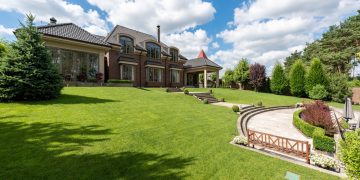





































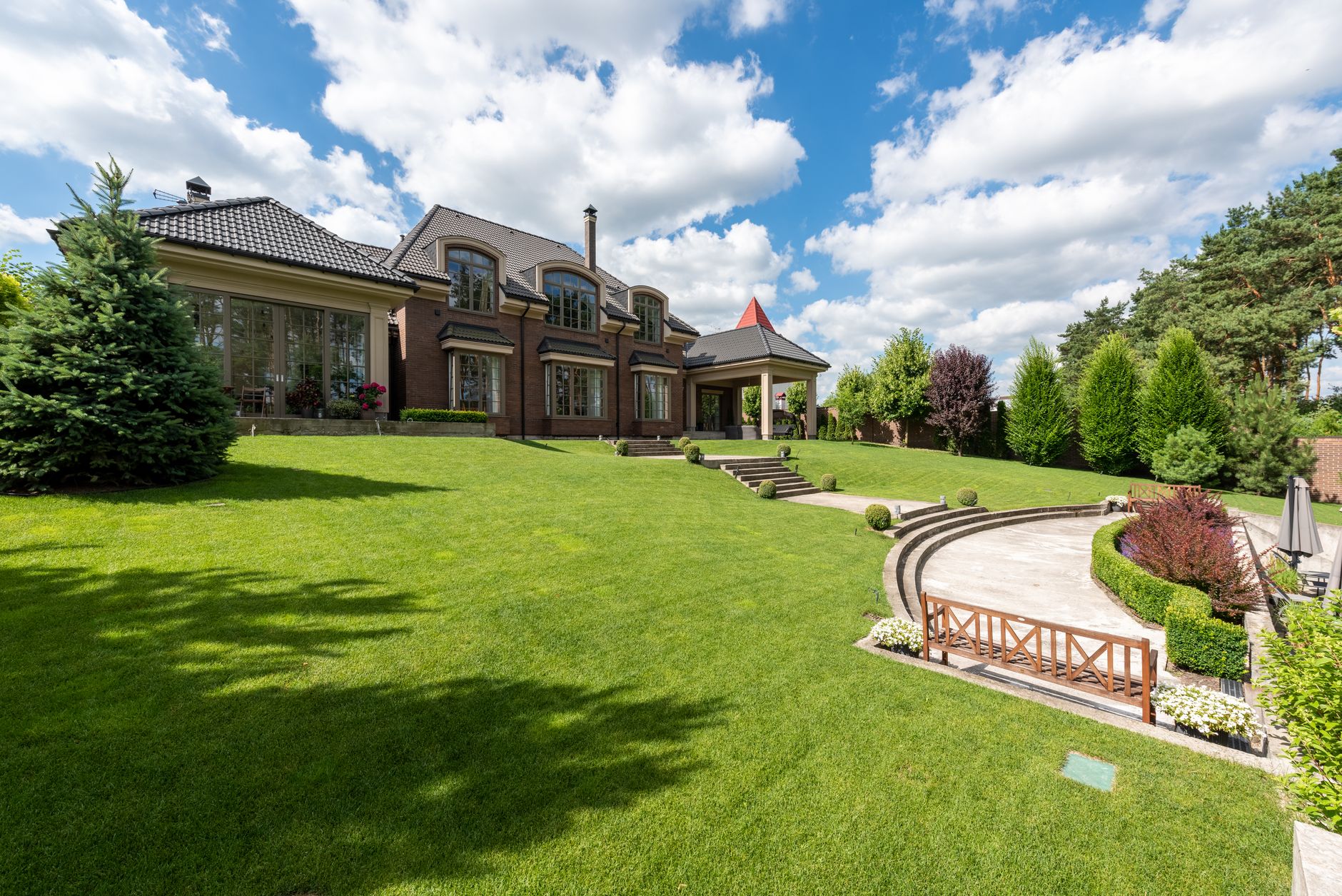
Australia has spent two years arguing about what artificial intelligence will do to jobs, productivity and the national budget. A quieter story has been building alongside that debate, and it showed up this week in the property pages rather than the business section. One of the country’s AI pioneers has paid $13.25 million for a resort-style acreage, according to The Australian Financial Review, a transaction that says as much about the maturing local industry as any funding round.
The headline number is the point. A $13.25 million purchase sits comfortably in the upper tier of Australia’s prestige market, the kind of sum that used to be the preserve of mining magnates, property developers and the occasional investment banker. That an AI founder now belongs in that company is a reminder that the sector has moved well past the stage of pitch decks and promise. Real companies are being built, sold and floated, and the people behind them are converting equity into the most Australian of assets, which is land with a view.
From pitch deck to prestige postcode
For most of the past decade, Australian technology wealth clustered around a handful of marquee names and the software sector more broadly. Artificial intelligence was a feature inside those businesses rather than a category of its own. That has changed quickly. The local market has produced AI companies in medical imaging, logistics, workforce management, cyber security and enterprise software, several of which have listed on the ASX or been acquired by larger offshore players. Each of those outcomes creates a cohort of founders and early employees with liquidity, and liquidity eventually finds its way into bricks, mortar and acreage.
A single acreage sale does not make a trend on its own, and it would be a stretch to read too much into one buyer’s taste in real estate. But it fits a broader pattern that agents and economists have been tracking for a while. Prestige property at the top of the Australian market has been resilient even as the broader housing sector wrestles with interest rates and affordability, and a growing slice of that demand comes from people who have made their money in technology rather than resources or finance. The arrival of AI founders in that bracket is simply the newest chapter.
Two ways to read the purchase
One view treats this as a healthy sign. If Australia wants a serious AI industry, it needs the full cycle to work, which means founders who take real risk and are rewarded when it pays off. Visible success stories, including the uncomfortable ones that involve very large houses, help attract talent and capital into a field that still competes hard with Silicon Valley and London for both. On this reading, a $13.25 million acreage is evidence that building an AI company in Australia can genuinely change a life, and that matters for anyone deciding whether to start the next one here or overseas.
The less comfortable view is about distribution. The same technology that is minting a small number of fortunes is also reshaping the working lives of millions of Australians, not all of them for the better. Customer service, administration, content production and parts of professional services are already feeling the pressure of automation, and the people most exposed to that change are rarely the ones buying resort-style acreage. When the gains from a general-purpose technology concentrate quickly while the costs spread slowly across the workforce, the politics of that gap tends to sharpen. A prestige property sale is a small thing in isolation, but it sits inside a much larger conversation about who captures the upside of the AI boom.
Both readings can be true at once. A thriving sector needs its winners, and a fair society needs to think hard about everyone else. The challenge for policymakers is holding those two ideas together rather than picking one and ignoring the other.
What it means for Australia
The Australian stakes here go beyond one buyer. The country has set itself the goal of being a genuine participant in the AI economy rather than a pure importer of other people’s models and platforms. That ambition depends on keeping founders, engineers and researchers onshore, and wealth creation is part of what keeps them. For years the complaint from the local scene was that the best people and the biggest exits ended up overseas. A market that can produce home-grown AI fortunes, spent on home-grown property, is at least evidence that some of that value is staying put.
There is a fiscal angle too. Prestige purchases of this size generate meaningful stamp duty for state governments, and the broader cycle of AI company formation and exit feeds capital gains revenue to the Commonwealth. As Canberra weighs how to fund the infrastructure, energy and skills that an AI economy demands, the tax take from the sector’s own success is not a trivial consideration. The same founders buying acreage today are, in aggregate, part of how the public purse pays for data centres, grid upgrades and university places tomorrow.
It also feeds the perception game. Australia’s AI story is often told through its risks, from job losses to privacy to the strain of data-centre power demand on the grid. A visible symbol of founder success offers a counterweight, a reminder that the industry is producing tangible outcomes and not only disruption. Perception shapes where talent and investment flow, and in a sector this competitive, confidence has real economic value.
What’s next
The sale is unlikely to be the last of its kind. With more Australian AI companies maturing toward listings, trade sales and secondary rounds, the pipeline of newly liquid founders is only going to grow, and the prestige market will keep absorbing some of that money. The more interesting question is whether the wealth stays connected to the ecosystem that created it. Successful founders who recycle their gains into angel investing, local funds and the next generation of startups do far more for the national industry than those who simply retire to the acreage.
For now, the transaction stands as a modest marker of how far the local AI sector has come, and a prompt to think about where its rewards ultimately land. The technology question has always been what AI will do to Australia. This week offered a smaller, sharper version of it, which is what AI is already doing for a few Australians, and what the country wants to do with that success.