

















































Australia’s rush to build the physical backbone of artificial intelligence has, until now, been a largely metropolitan story. The big announcements land in the outer suburbs of Sydney and Melbourne, in industrial estates close to fibre routes and substations that were sized decades ago for factories and warehouses. Yet the machines that train and run large AI models do not especially care about postcodes. They care about three things above almost all else: cheap land, abundant power and a reliable way to move data in and out. On at least two of those measures, remote Australia thinks it can beat the coast comfortably.
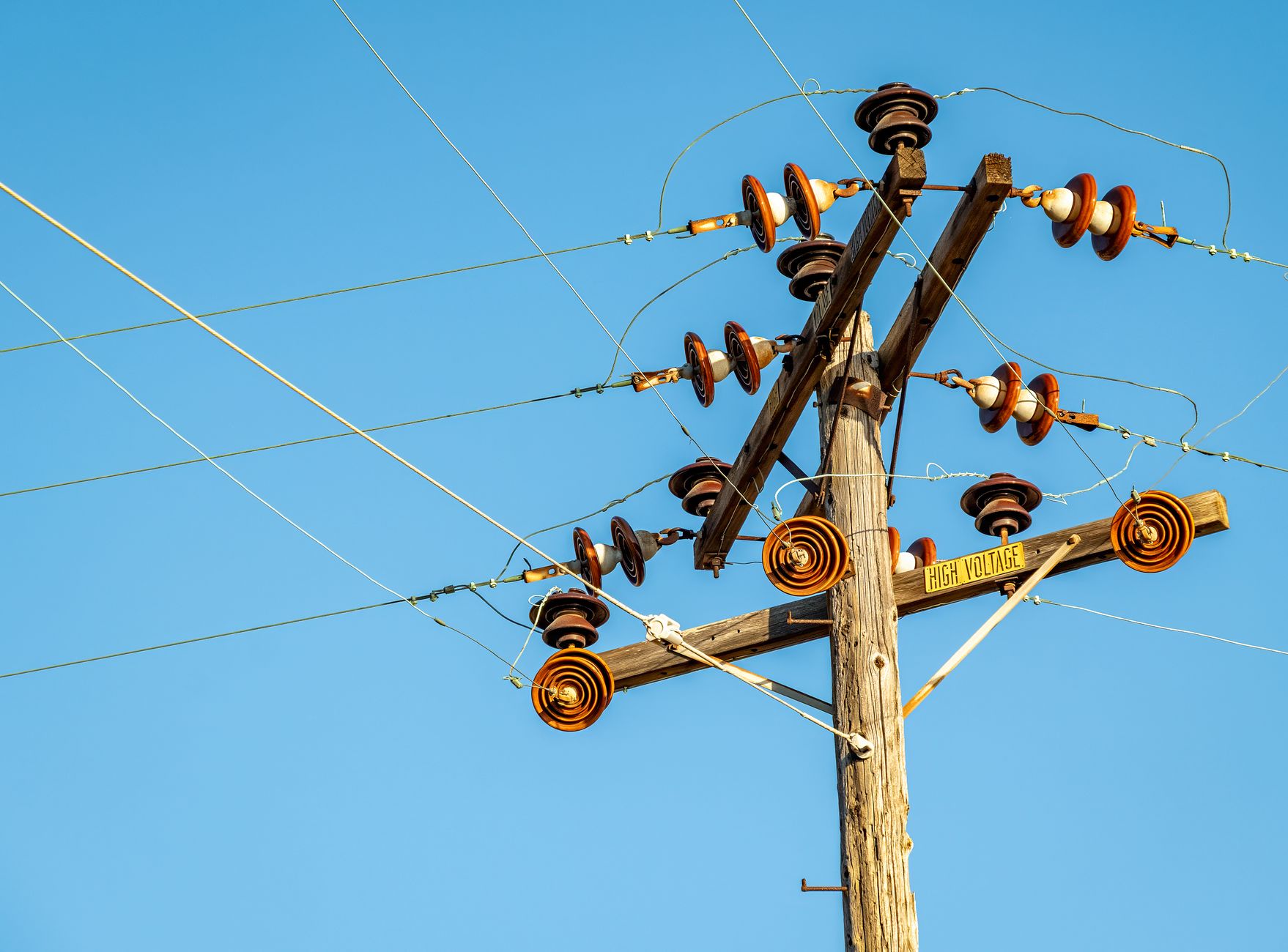
That is the argument now being pressed by one outback town, which has told the ABC that a firm connection to the electricity grid is the single factor standing between it and a share of the billions of dollars pouring into AI infrastructure. The pitch is simple enough. The bush has space to spare, some of the best solar and wind resources on the planet, and communities desperate for the kind of long-term employment a large facility can anchor. What it too often lacks is the transmission capacity to turn all that latent energy into the steady, high-voltage supply a hyperscale data centre demands around the clock.
Why power, not property, is the constraint
The shift in thinking reflects how quickly the economics of AI have moved. A modern training cluster can draw as much electricity as a small city, and the appetite is only growing as models get larger and inference workloads multiply. Analysts have spent the past year warning that grid access, not chips or capital, is becoming the binding constraint on where these facilities can physically go. In that world, a town with a gigawatt of nearby renewable potential is an asset, provided the poles and wires exist to carry the load.
This is where the outback runs into a familiar Australian problem. Building new high-voltage transmission is slow, expensive and politically fraught, and the projects that do get funded tend to prioritise moving renewable energy toward population centres rather than delivering firm supply to sparsely populated regions. A town might sit beside a proposed renewable energy zone yet still wait years for the connection that would let a data centre developer sign a deal with confidence. For the investors weighing up sites, that uncertainty is often enough to send them back to a serviced block on the city fringe.
The town’s case, and the sceptics’ reply
The regional view, as put to the ABC, is that a targeted grid connection would unlock a virtuous cycle. Cheap firmed power attracts an anchor tenant, the anchor tenant justifies further network investment, and the new capacity then benefits the wider community through lower costs and greater reliability. Supporters frame it as nation-building of the sort that once brought rail and irrigation to the interior, only this time the freight is data and the payoff is a foothold in a genuinely new industry.
Not everyone is convinced the sums add up. Energy market observers point out that a data centre is a demanding and unforgiving customer. It wants power that is not just cheap but firm, available every hour of every day, which is precisely what a solar-heavy remote grid struggles to guarantee without significant storage or backup generation. Water for cooling can be scarce in arid country, and the specialised workforce needed to run and maintain the equipment is not sitting idle in a town of a few thousand people. Critics also caution that a single connection built for one speculative tenant can leave ratepayers exposed if the project stalls, a risk regulators are increasingly alert to.
What it means for Australia
The debate matters well beyond one town because it goes to a choice the country is quietly making about where its AI economy will be built. The Commonwealth has spoken repeatedly about sovereign compute and the need to keep sensitive data and critical infrastructure onshore, and large projects such as the Firmus and MAAS Group arrangements in the north show the scale of ambition in play. If almost all of that capacity clusters around Sydney and Melbourne, the regions risk watching another wave of national investment pass them by, much as they did with earlier rounds of digital infrastructure.
There is a counter-current, though, that plays to regional strengths. Data centres consume enormous amounts of energy, and the cheapest energy in the country is increasingly generated a long way from the coast. Locating compute near that generation, rather than shipping the electricity hundreds of kilometres to a city and losing a slice of it along the way, has an obvious logic. It also spreads the load on a grid that planners already worry is being asked to do too much in too few places. For state governments juggling transmission budgets, an outback data centre that pays to help fund its own connection could be an easier proposition than yet another line into a congested urban network.
For remote communities, the stakes are more human than technical. A mine closes and a town empties; a facility that needs staff for twenty or thirty years offers a different trajectory. Even a modest data centre brings construction work, ongoing operations roles and the sort of rate revenue that keeps a shire solvent. The catch, and the reason the grid question keeps coming back, is that none of it happens without a developer being able to point at a substation and a signed connection agreement.
What happens next
The immediate test is whether transmission planning and the AI investment cycle can be made to move at anything like the same speed. Network operators work in decade-long horizons and rigorous cost-benefit tests, while data centre developers want certainty within a year or two. Bridging that gap will likely require governments to decide whether hosting compute counts as a strategic reason to prioritise particular connections, and whether some of the cost should be carried by the taxpayer rather than the household power bill.
For now, the outback town has made its position plain. It believes it holds most of the cards that matter to an industry hungry for power and space, and that the missing one is a wire. Whether the market and the planners agree will help determine if the next chapter of Australia’s AI build-out reaches beyond the capital cities, or whether the bush is left, once again, watching the boom from the wrong end of the transmission line.
Sources: ABC News.


