


















































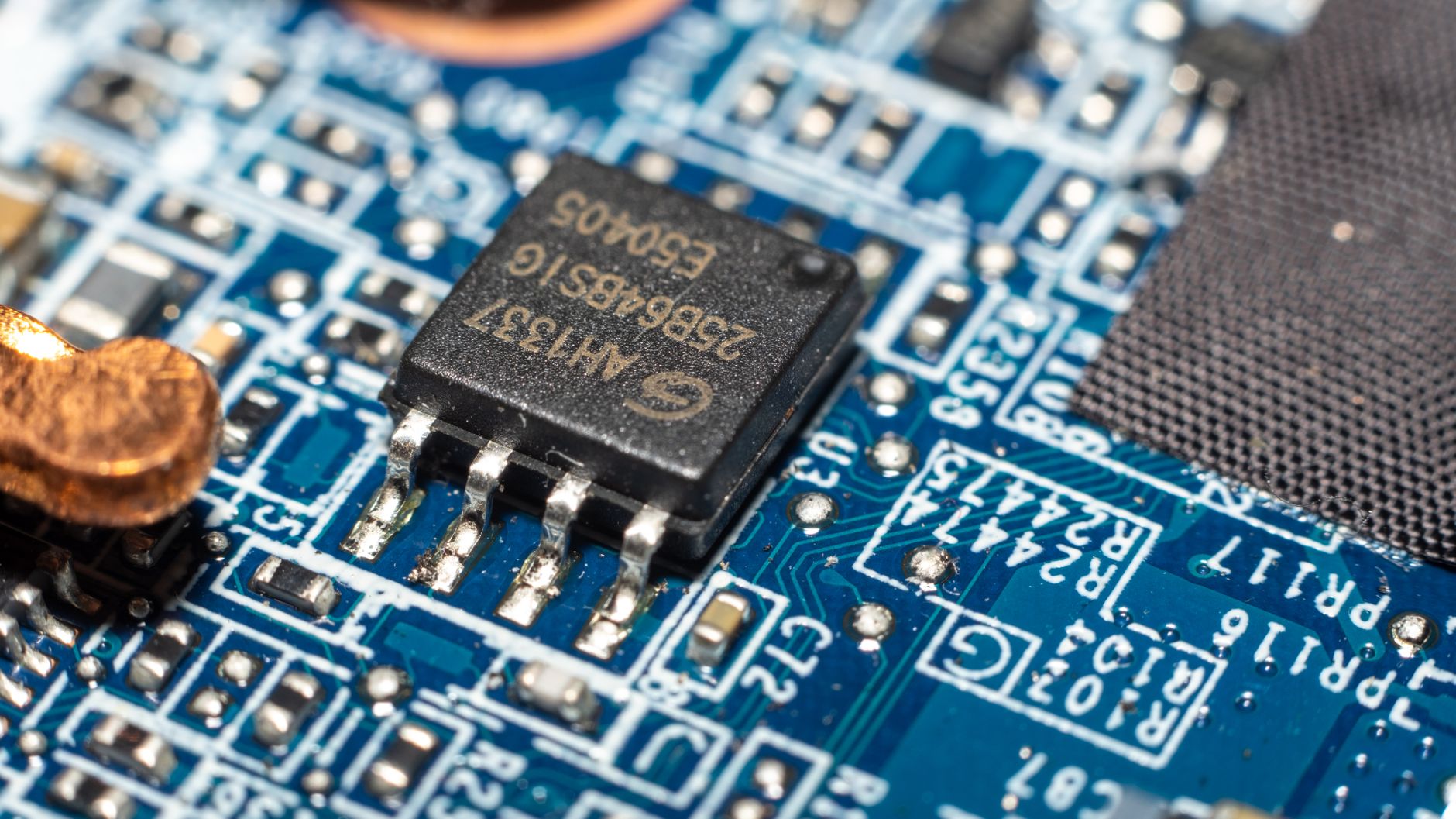
A small American chip company with an unusually large ambition has just given itself more runway. Ubitium has raised USD $14 million, according to reporting carried by ChannelLife Australia, to keep building what it describes as a universal processor: one chip designed to run artificial intelligence, conventional computing and graphics workloads rather than farming each of those jobs out to separate specialised silicon.
That premise cuts against the grain of almost everything happening in the chip industry right now. The modern data centre is a patchwork of specialists, with central processors handling general logic, graphics processors doing the heavy lifting for AI training and inference, and a growing menagerie of custom accelerators built for narrow tasks. Nvidia has turned the graphics-processor-for-AI model into one of the most valuable franchises in corporate history. Ubitium is effectively arguing that this sprawl is a problem worth collapsing, and that a single, reconfigurable architecture could do the work of many.
The pitch, and why it is contrarian
The company’s core idea is a processor that can be reshaped on the fly to behave like whichever type of chip a given task needs at that moment. Instead of shipping a board loaded with a CPU here and an AI accelerator there, the argument goes, a device could carry one piece of general-purpose silicon that adapts. In theory that promises simpler designs, lower costs and less wasted transistor budget, because the hardware is not sitting idle waiting for its particular kind of workload to turn up.
If it works at scale, the appeal is obvious for anything where space, power and price are tight: edge devices, robotics, industrial sensors, consumer gadgets and the long tail of machinery that now wants a dash of on-device intelligence without a data-centre-grade power bill. A universal chip also sidesteps one of the quieter headaches of the current era, which is sourcing and integrating multiple scarce, expensive components into a single product.
The USD $14 million figure tells its own story. This is early-stage money, not the billions being tipped into leading-edge fabrication, and it reflects where Ubitium sits: a long-odds, high-ceiling bet rather than a company shipping at volume. The capital buys time to prove the architecture and get working silicon into the hands of partners, which is the hurdle every ambitious chip startup must clear before anyone takes the roadmap seriously.
Two ways to read it
The optimistic reading is that specialisation has overshot. The industry has spent a decade building ever-more-bespoke accelerators, and the complexity and cost of stitching them together is real. A credible universal processor would be genuinely disruptive, particularly outside the hyperscale data centre where most of the custom-silicon arms race is being fought. There is a reason investors keep writing cheques to teams chasing this idea: the prize is enormous if the physics and the software cooperate.
The sceptical reading is just as grounded. General-purpose chips have historically traded away performance and efficiency for flexibility, which is precisely why the industry fractured into specialists in the first place. Nvidia’s dominance did not happen by accident; purpose-built hardware, backed by a deep software ecosystem, tends to beat a jack-of-all-trades on the metrics that buyers actually pay for. A universal processor has to be not merely clever but competitive against entrenched incumbents on performance per watt, on price, and on the maturity of the tools developers use. That is a brutal bar, and plenty of well-funded architectural bets have failed to clear it. USD $14 million is a start, not a guarantee.
What it means for Australia
Australia does not fabricate leading-edge chips, and nobody is pretending that is about to change. But the direction Ubitium is pointing in matters here all the same, because the country’s AI conversation has moved decisively towards infrastructure and sovereignty. Prime Minister Anthony Albanese has framed sovereign compute as a national priority, and the past year has seen a run of local activity around AI factories and data-centre build-outs, from Firmus and its multibillion-dollar ambitions to the sharemarket debut of players like SCX pitching energy-efficient infrastructure. The common thread in all of it is a worry about cost, about power, and about depending on a thin supply of very expensive hardware controlled by a handful of overseas firms.
A chip philosophy built around doing more with less speaks directly to those pressures. Energy use is the binding constraint on Australian data-centre growth, with water-cooling efficiency and grid impact now routine talking points in the sector. Hardware that consolidates workloads and wrings more out of each watt would ease exactly the squeeze local operators keep flagging. Equally important is the edge, where Australia’s geography works against it: mining sites, farms, remote infrastructure and logistics networks spread across vast distances all benefit from intelligence that runs on the device rather than on a round trip to a distant server. Cheaper, simpler, lower-power silicon that can handle AI locally is a better fit for that reality than yet another power-hungry rack.
There is a procurement angle too. Australian enterprises and governments are increasingly conscious of where their technology comes from and how resilient the supply chain behind it really is. More competition at the architectural level, and more credible alternatives to the dominant graphics-processor model, is good news for buyers who would rather not be locked into a single vendor’s economics. Even if Ubitium itself never ships in volume, the pressure its approach represents helps keep the broader market honest.
What’s next
The near-term test is unglamorous but decisive: can Ubitium turn a compelling concept into working silicon that partners want to design around, and can it build or borrow the software ecosystem that any processor needs to be useful? Funding of this size buys the company a shot at proving the architecture, not market share. The history of the chip industry is littered with elegant ideas that could not survive contact with manufacturing economics and incumbent software stacks.
For Australian readers, the company is worth watching less as a stock tip and more as a signal. The questions Ubitium is asking, about whether the AI hardware boom has become needlessly complex, costly and power-hungry, are the same questions keeping the architects of Australia’s sovereign-compute push awake at night. Where the answers land will help shape what the country can afford to build, and how much of it has to be plugged into someone else’s grid and someone else’s roadmap.
Sources: ChannelLife Australia.



Comments 1