












































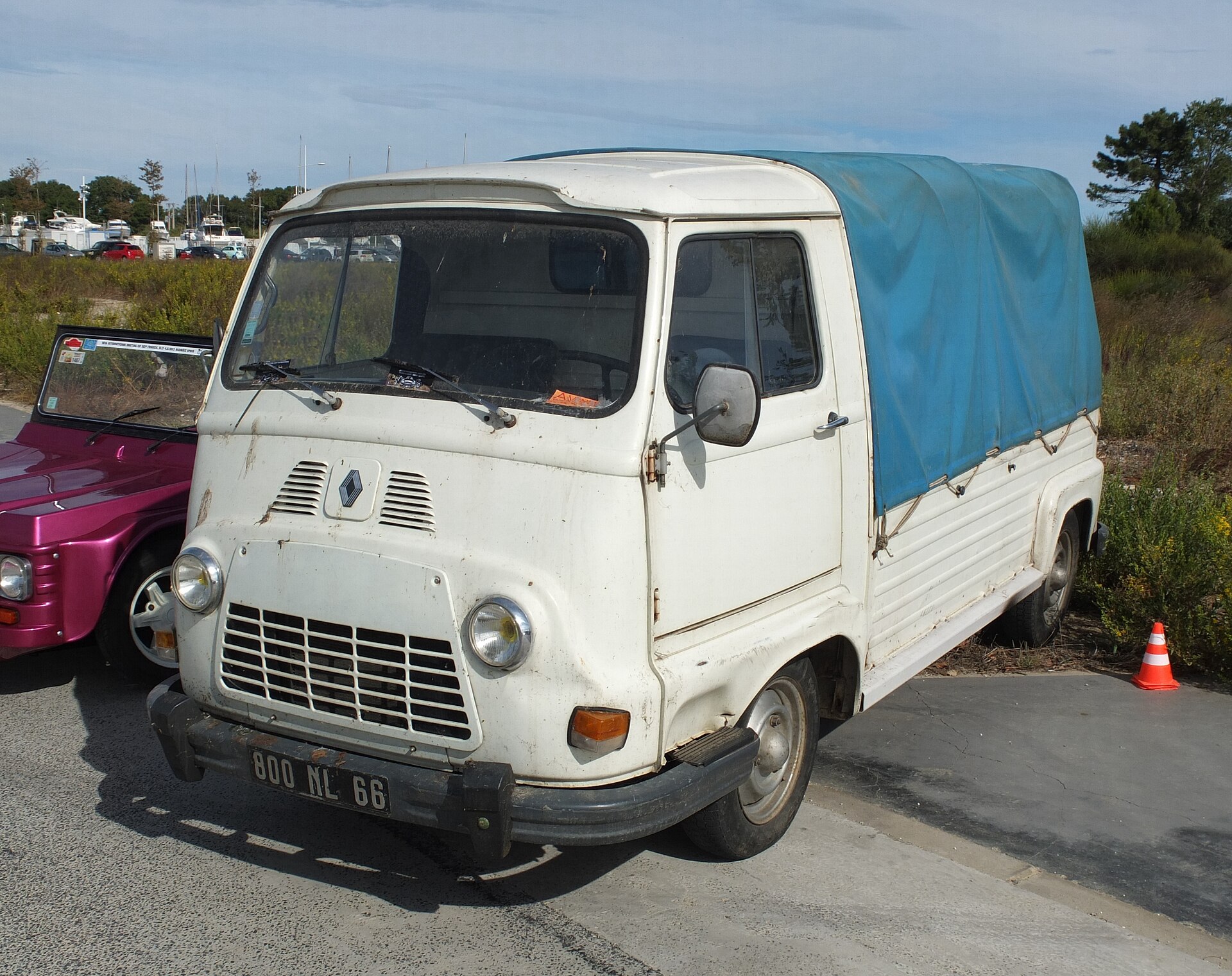
Every so often a headline lands that seems to belong to two conversations at once. This week The Australian ran one of them, asking whether the antidote to automation might have turned up, of all places, in a Renault. It is a playful framing, and on the surface it is a motoring story. Dig a little, though, and it taps straight into the anxiety running through boardrooms, newsrooms and kitchen tables across the country as artificial intelligence works its way into almost everything we do.
The conceit is simple enough. In an era when machines are being asked to drive our cars, write our emails, screen our job applicants and even hold a conversation, a French carmaker better known for sensible hatchbacks becomes an improbable symbol of pushback. You can read the original column in The Australian, but the broader point travels well beyond the driveway.
Why a car became the stand-in for a much bigger argument
Cars have quietly become the frontline of the automation debate, which is part of what makes the question land. Over the past decade the dashboard turned into a touchscreen, physical buttons disappeared, and software began deciding how hard you brake and how firmly you sit in your lane. Plenty of drivers welcomed the help. Plenty more found themselves poking at a glossy panel to adjust the air-conditioning while the car beeped at them for drifting towards a line it did not like.
Against that backdrop, a vehicle that feels engaging to drive, that trusts the person behind the wheel and that does not bury every function three menus deep can read like a small act of rebellion. That is the sentiment the column is tapping into. The deeper claim is not really about horsepower or infotainment. It is about whether there is still value, and even pleasure, in doing something yourself rather than handing it to a machine that promises to do it better.
Two ways of seeing it
One view, held firmly across much of the technology and manufacturing world, is that resisting automation is nostalgia dressed up as principle. By this reckoning, machines do not tire, do not get distracted and do not make the lapses that cause most road deaths and most workplace errors. If software can park a car more safely than a human, or sort a spreadsheet faster than an analyst, sentiment about the good old days is a poor reason to stand in the way. Efficiency, on this account, is not the enemy of a good life. It is what frees people up for the parts of work and leisure that actually matter.
The opposing view does not dispute that machines are capable. It questions what we lose when we stop doing things for ourselves. Skills atrophy when they are never used. Judgement dulls when every decision is pre-made. And there is a growing body of unease, echoed by everyone from aviation safety experts to educators, that when the automation fails, the humans who were meant to be supervising it have forgotten how to step in. The car, in this light, is a neat metaphor: a machine that keeps the person involved rather than switching them off.
Both camps have a point, and the honest answer is that the right balance depends on the task. Nobody is arguing for hand-cranked engines or abandoning the spell-checker. The interesting ground is in the middle, where automation assists without taking over, and where the human stays in the loop by design rather than as an afterthought.
What it means for Australia
This is where the whimsical headline earns its keep for an Australian audience, because the country is living the question in earnest. Automation and AI are being folded into mining, logistics, agriculture, banking, aged care and the public service, and the pace has picked up sharply over the past two years. The Productivity Commission and a string of industry bodies have argued that AI could add meaningfully to national output if adopted well, while unions and worker advocates warn about jobs reshaped or removed with little say from the people doing them.
Australians have shown they are not reflexively anti-technology, but they are wary of being automated at rather than automated with. Survey after survey has found that trust rises when people feel they retain control and understand what the machine is doing, and falls sharply when decisions feel opaque or imposed. The appeal of a car that keeps the driver engaged is the same instinct that makes a patient want a human clinician checking the algorithm, or a customer want a real person at the end of a chat that has gone sideways.
There is also a distinctly local flavour to the stakes. Our distances are vast, our regional workforces are thin, and automation genuinely helps cover ground that people cannot. Autonomous trucks on mine sites, drones watching livestock and AI triaging medical scans are not indulgences here, they are practical responses to scale. The challenge is holding onto the skills, the oversight and the sense of agency that stop convenience curdling into dependence.
The point behind the punchline
Read charitably, the Renault column is less a car review than a prompt. It asks readers to notice how much choice they have quietly surrendered, and to consider whether some of it is worth keeping. That is a useful question to carry into any conversation about AI, whether the subject is a gearbox, a government service or a classroom.
The antidote to automation, if there is one, is unlikely to be a particular badge on a bonnet. It is more likely to be a habit of mind: deciding deliberately what we automate and what we hold on to, rather than letting the default settings decide for us. A car that makes that choice feel vivid is as good a starting point as any.
What is next
Expect the theme to keep surfacing as regulators here finalise their approach to AI, as carmakers respond to a visible consumer backlash against screen-heavy cabins, and as Australian employers work out where human judgement is non-negotiable. The novelty of the headline will fade. The underlying tension between efficiency and engagement will not, and it is one every Australian business and household will keep negotiating for years yet.
Sources: The Australian.