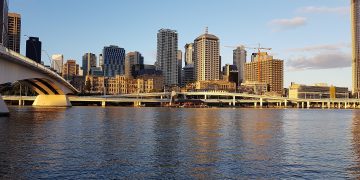
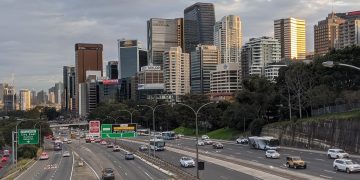




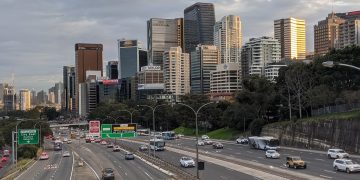




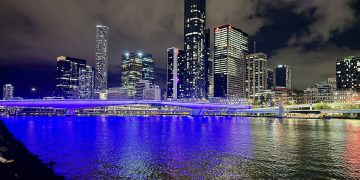



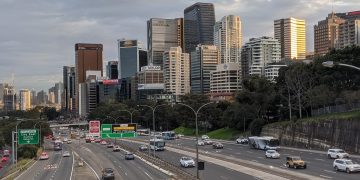
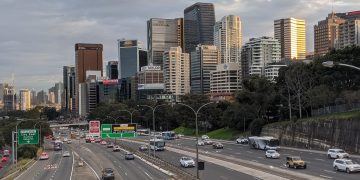






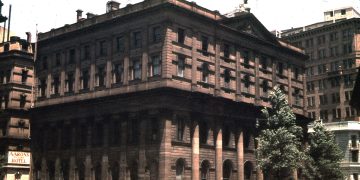





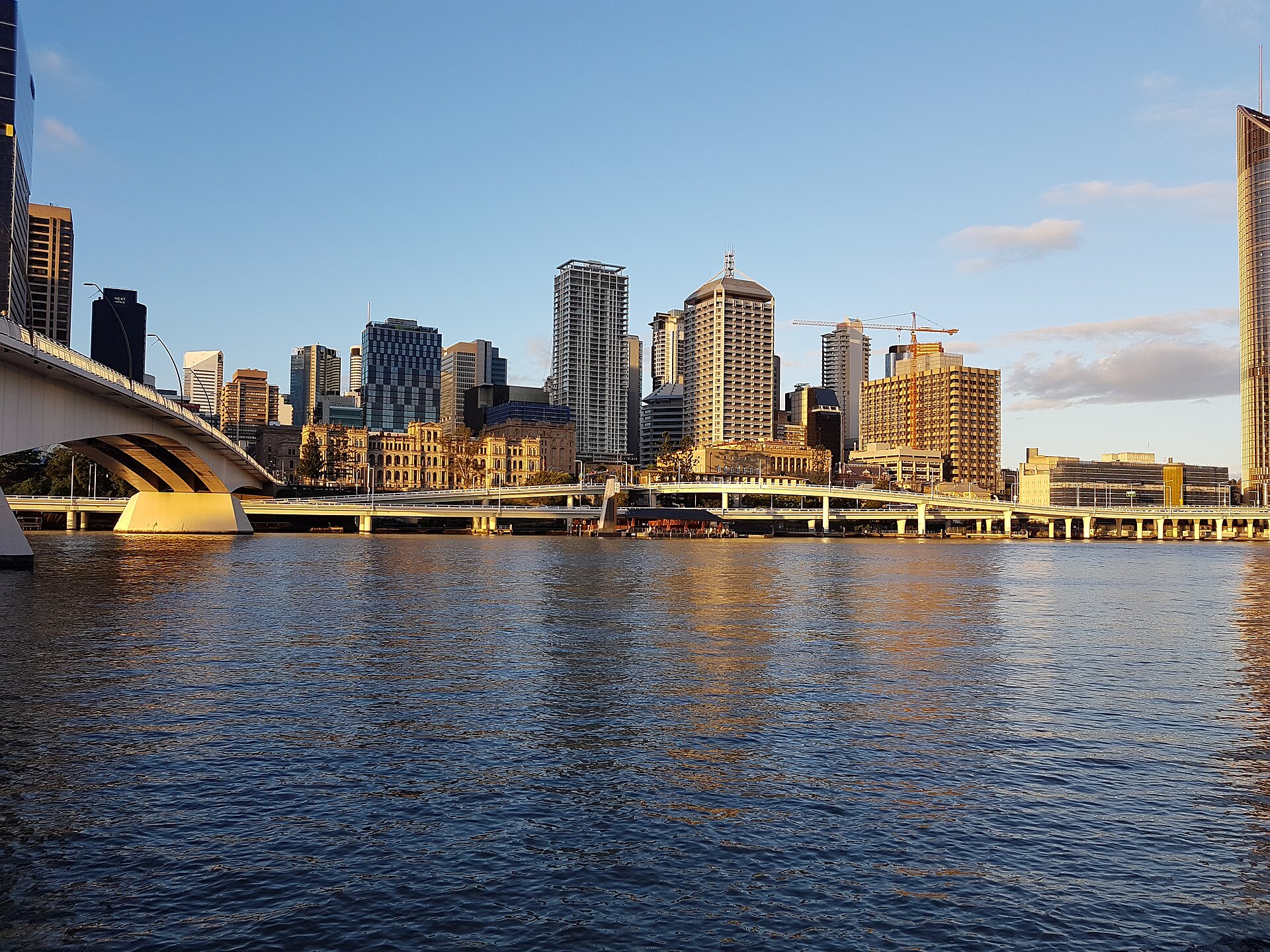
For years the conversation about automation in Australia fixated on factory floors, warehouses and the long-haul trucking routes that keep the country moving. The latest wave of artificial intelligence has shifted the spotlight indoors, to the fluorescent-lit floors of office towers where contracts are drafted, invoices reconciled and customer queries answered. A new analysis published by the Brisbane Times puts a pointed question to Queensland’s capital: as generative AI learns to do more of the cognitive, repetitive tasks that fill a working day, how vulnerable is Brisbane?
The question matters because of what Brisbane actually does for a living. The city has spent the past two decades building itself into a services economy, heavy on public administration, professional and financial services, health bureaucracy and the back-office operations that support mining and construction companies headquartered along the river. Those are precisely the white-collar, screen-based roles that the current generation of large language models is best at nibbling into. Where earlier automation threatened manual labour, the newer tools are aimed squarely at the desk.
What the analysis is really measuring
The framing of exposure is important, and it is easy to misread. Exposure is not the same as replacement. Economists who study this field distinguish between tasks that AI can plausibly perform and jobs that will actually disappear. A conveyancing clerk, a junior accountant or a contact-centre operator might find that a large chunk of their daily tasks can be drafted, summarised or triaged by software, yet the role itself may survive in a reshaped form, with the human doing the checking, the judgement and the awkward exceptions the machine fumbles.
That distinction is the crux of the Brisbane question. A city with a high concentration of administrative and clerical work scores as highly exposed on almost any measure, because so much of the work is the kind AI finds easy. Whether that exposure becomes job losses, quietly smaller teams, or simply more output from the same people depends on decisions made in boardrooms, government departments and the federal Treasury rather than in the models themselves.
Two ways to read the risk
There are broadly two camps, and both have a reasonable claim on the evidence. The optimistic reading holds that AI is a productivity tool first and a job killer a distant second. On this view, Brisbane’s accountants, lawyers, marketers and public servants become faster and more valuable, freed from the drudgery of first drafts and data entry to spend time on the parts of the job that require a person. History is on this side of the argument to a point: spreadsheets did not end the accounting profession, and ATMs did not empty the banks of tellers.
The more cautious reading warns that this time the automation reaches higher up the skill ladder than before, and that the roles most exposed are often the entry-level ones that have traditionally been how young workers get a foot in the door. If a graduate’s first two years of grunt work can be done by a model, the rung they used to climb may simply be sawn off. For a city that leans on its universities to feed talent into professional services, that is a structural worry rather than a passing inconvenience, and it is one that will show up in youth employment data long before it appears in the headline jobless rate.
The Australian stakes
Brisbane is not alone in facing this, and the national picture gives the local one its weight. Analysts have already mapped the suburbs of Sydney most exposed to AI disruption, and the pattern holds across the capitals: the wealthier, more credentialed, more office-bound an area is, the more of its work sits in the path of automation. That upends the old assumption that technological change always hits the least advantaged hardest. This time the inner-city professional is as exposed as the call-centre worker in the outer suburbs, even if they are far better placed to adapt.
For Queensland specifically, the timing is delicate. Brisbane is in the middle of a long build-up to the 2032 Olympic and Paralympic Games, a project that is drawing in construction, logistics and project-management work while the office economy around it starts to feel the AI squeeze. The state government is also one of the region’s largest white-collar employers, which means decisions about how the public service adopts AI will shape the local labour market directly rather than through market forces alone. If departments use the tools to do more with fewer graduate hires, that choice ripples straight into the city’s job market.
There is a skills dimension too. Australia is already short of workers who can build, deploy and govern AI systems, even as it grows longer on workers whose tasks those systems can absorb. The mismatch is the policy problem in miniature. Reskilling sounds straightforward in a ministerial media release, but moving a 45-year-old claims processor into a role supervising AefI workflows is harder in practice than on a slide, and the retraining systems to do it at scale do not yet exist in Queensland or anywhere else in the country.
What happens next
The honest answer is that nobody knows the pace, and the pace is everything. If adoption spreads gradually over a decade, Brisbane’s labour market has time to absorb it the way it absorbed the internet and the smartphone. If the big employers move in a cluster over two or three years, chasing the cost savings their competitors are already claiming, the adjustment will be sharper and the political heat will follow quickly.
What is worth watching locally is less the technology than the behaviour around it: whether Brisbane’s banks, insurers, law firms and government agencies quietly freeze graduate intakes, whether they publish retraining commitments or stay silent, and whether the state government treats AI in the public service as a productivity dividend to be shared or a headcount saving to be banked. Those choices, far more than any model’s raw capability, will decide how vulnerable the city turns out to be. For now, Brisbane sits in a position that is uncomfortable but not yet decided, exposed on paper and waiting to see which reading of the risk its employers choose to act on.
Sources: Brisbane Times.