

















































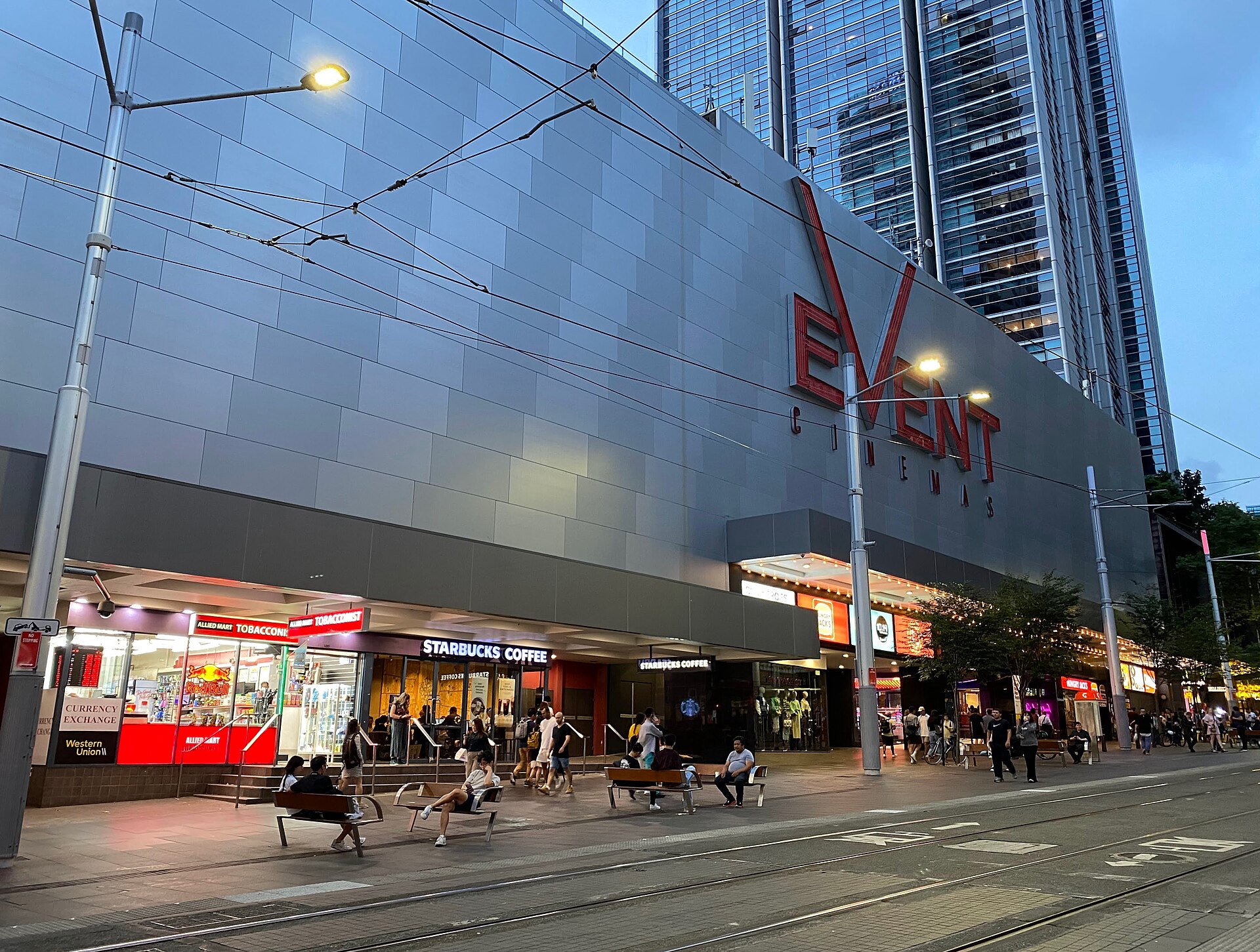
Buying a movie ticket has long followed the same ritual: open an app or a website, hunt through session times, pick your seats and tap through a checkout. Event Cinemas is now trying to collapse that whole sequence into a conversation. The chain says it has become the first Australian cinema operator to let customers search sessions and book tickets directly inside ChatGPT, the chatbot that has become shorthand for the generative AI boom.
The move, reported by FilmInk, means an Event Cinemas customer can ask ChatGPT what is screening nearby, compare times across venues and complete a booking without ever opening a separate browser tab. For a generation that increasingly treats a chatbot as the first stop for planning anything from dinner to a holiday, it is a notable shift in how one of Australia’s best-known entertainment brands meets its audience.
The context: ChatGPT turns into a shopfront
The integration did not appear in a vacuum. Over the past year, OpenAI has steadily pushed ChatGPT beyond answering questions and towards actually doing things on a user’s behalf. The company has rolled out apps inside the chatbot and commerce features that let businesses surface products and services where the conversation is already happening, rather than waiting for someone to click out to a website. Event Cinemas slotting its session search and ticketing into that environment is a local example of a much larger global experiment in whether people will transact inside an AI assistant.
For cinemas, the timing is pointed. The exhibition sector spent the pandemic years fighting for relevance against streaming, and operators have leaned heavily on premium formats, loyalty programs and event screenings to coax audiences back. Anything that removes friction from the path to a booked seat is attractive, particularly for impulse decisions. If a chatbot can turn a vague “what should we see tonight” into a confirmed pair of tickets in the space of a single exchange, that is a conversion a cinema chain will happily take.
The news: an Australian first
Event Cinemas, part of the ASX-listed Event Hospitality & Entertainment group, is pitching the launch as a national first for the Australian cinema industry. The practical promise is straightforward. A customer describes what they want, ChatGPT returns live session options drawn from Event’s inventory, and the booking is completed in-line. The experience is designed to feel like asking a knowledgeable friend rather than navigating a form.
Being first carries obvious marketing value, but it also hands Event a data and learning advantage. Early movers get to see how customers actually phrase requests, which prompts convert and where the hand-off between conversation and payment breaks down. Rivals such as Hoyts and the independent circuits will be watching closely, and a successful rollout could quickly become table stakes rather than a differentiator.
Two views: convenience versus control
Supporters of the approach argue that meeting customers inside the tools they already use is simply good service. Younger audiences in particular are growing comfortable with conversational interfaces, and a booking flow that lives where attention already sits is a logical response to changing habits. The sector has watched other industries lose direct relationships to aggregators and platforms, so getting ahead of the shift looks, on this reading, like prudence.
The counter-view is about dependence and economics. Routing bookings through a third-party assistant means handing part of the customer journey to OpenAI, a company that controls the interface, the ranking and ultimately the terms. Retail and travel businesses spent two decades learning hard lessons about what happens when a dominant platform sits between them and their customers, from app store commissions to search engines steering traffic. Critics worry that today’s frictionless integration can become tomorrow’s toll booth, and that cinemas risk training audiences to trust the chatbot’s recommendations rather than the brand itself. There are also unresolved questions about how payment data, personal preferences and viewing history are handled once a transaction crosses into an AI platform.
What it means for Australia
The local stakes run wider than one cinema chain. Australian retailers and service providers have been cautious adopters of conversational commerce, partly because the big AI platforms are offshore and partly because privacy and consumer-protection rules here are still catching up to the technology. A recognisable domestic brand demonstrating a working, paid transaction inside ChatGPT is a proof point that others, from quick-service restaurants to transport operators and event ticketing firms, will study carefully.
It also lands amid an intense national debate about how much of the economy should run through foreign-owned AI systems. Policymakers in Canberra have been wrestling with questions of sovereign capability, data handling and competition as generative AI seeps into daily commerce. A cinema booking is low-stakes on its own, but it normalises the idea of Australians paying for goods and services inside an American chatbot, which feeds directly into those larger conversations about dependence and oversight. Consumer advocates are likely to press for clarity on refunds, accessibility and what happens when an AI assistant gets a booking wrong, since the lines of accountability between the retailer and the platform are not always obvious to the person who just handed over their card details.
There is a competitive wrinkle too. If conversational booking takes off, the businesses that win may be those with the cleanest, most structured data for an assistant to draw on, rather than those with the flashiest apps. That rewards operators who have invested in solid digital plumbing and could leave laggards scrambling to make their inventory legible to AI systems they do not control.
What’s next
The immediate test is adoption. Novelty will drive some early trial, but the integration only matters if a meaningful share of customers prefer booking through a chatbot to the familiar app and website. Event will be watching conversion rates, average spend and whether the channel brings in genuinely new bookings or merely shifts existing ones. Expect the company to expand the functionality if the numbers hold, potentially folding in loyalty perks, food and beverage ordering or personalised recommendations tied to a customer’s history.
For the broader market, this is likely a first ripple rather than a wave. Competitors will weigh whether to follow, regulators will take note of how payments and data flow through the platform, and other Australian retailers will treat Event’s experience as a live case study. Whether conversational commerce becomes a durable channel or a passing experiment, the exhibition sector has just given the country an early, concrete look at what shopping inside an AI assistant actually feels like.
Sources: FilmInk.